 Ahmed Najar
Israel’s decision to ban 37 international humanitarian organisations from operating in Gaza and across the occupied Palestinian territories is not an administrative or technical matter.
This move coincides with the Netanyahu government cutting electricity and water supplies to the offices of UNRWA, the biggest UN agency for Palestinian refugees.
These are not random acts but political moves with life-and-death consequences — and one that fits squarely within a broader pattern of policies designed to undermine Palestinian survival.
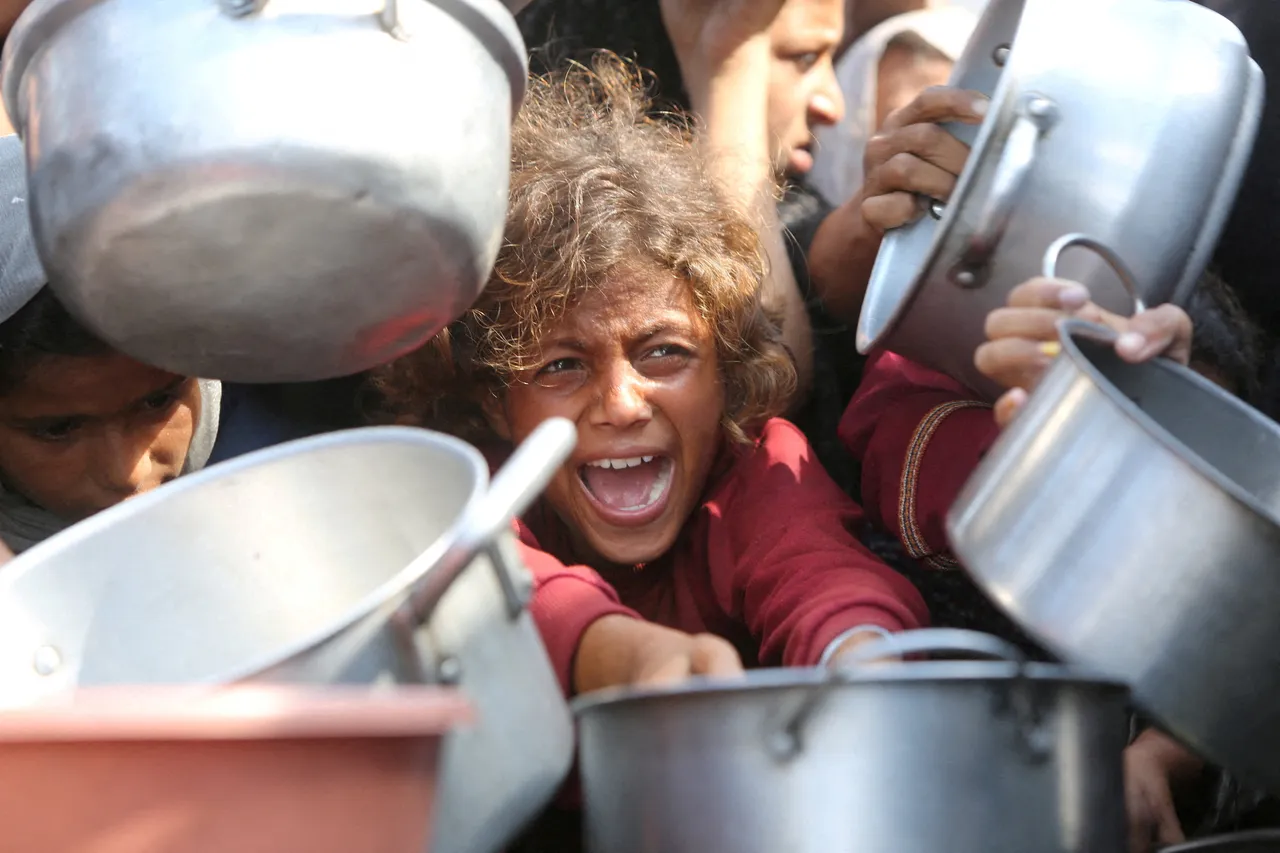
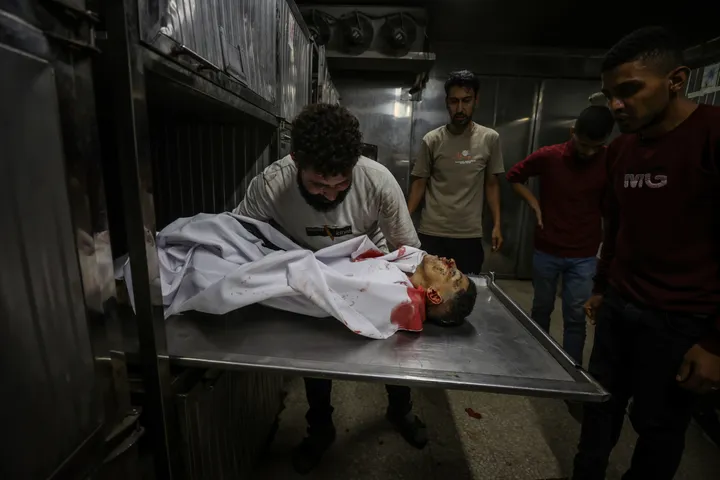
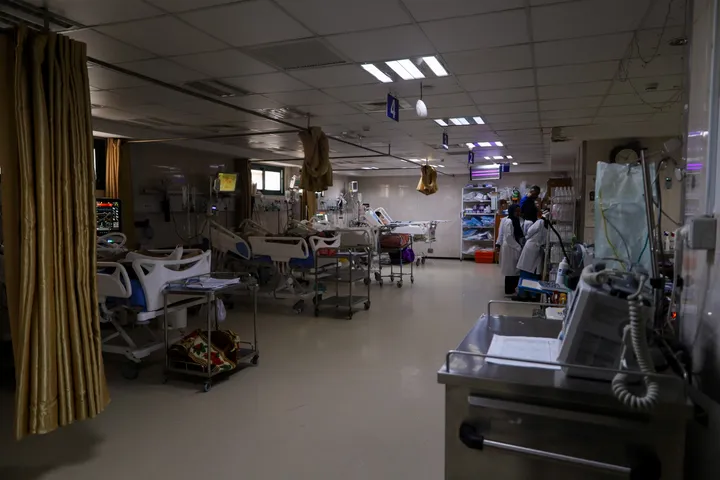
At a moment when Gaza’s health system has been systematically destroyed — with the United Nations declaring maternal and newborn health facilities “decimated” amid widespread destruction, shortages, and soaring mortality — its infrastructure levelled, and its population displaced and starved, cutting humanitarian access is not a neutral security measure.
It is an escalation. It further strips Palestinians of the basic means to stay alive.
For Palestinians, international aid organisations are not supplementary actors filling temporary gaps.
They have become essential because Israel’s decades-long occupation, blockade, and repeated military assaults have deliberately dismantled the conditions for normal life across all Palestinian territories, not only in Gaza, but also in the occupied West Bank.
Israel exercises decisive control over borders, airspace, and the movement of people and goods; it controls water resources, population registries, land use, and the flow of fuel and electricity.
In Gaza, this control takes the form of an overt siege. In the occupied West Bank, it is enforced through military occupation, settlement expansion, movement restrictions, and the fragmentation of Palestinian space.
Under these conditions, meaningful economic self-sufficiency is not merely difficult, it is structurally denied.
Humanitarian organisations therefore provide what an occupying power is legally obligated, but unwilling, to ensure: food where livelihoods have been destroyed, medical care where hospitals have been bombed or rendered inoperable, clean water where infrastructure has been deliberately targeted, and psychosocial support to populations subjected to relentless trauma.
Among the organisations now banned or facing licence revocation are Doctors Without Borders, Oxfam, CARE, the International Rescue Committee, and ActionAid — groups with decades of experience delivering life-saving assistance in some of the world’s most brutal conflict zones, including Sudan, Syria, Yemen, Afghanistan, and Ukraine.
These are not marginal or politically driven actors. They are among the most established humanitarian institutions in the world.

Aid as a political tool
Israel’s attempt to remove them cannot credibly be framed as a security necessity. It is about control: control over who may operate, what aid may enter, which suffering is alleviated, and which is allowed to deepen.
Aid is transformed from a humanitarian obligation into a political tool, subject to the approval of the very power responsible for the humanitarian catastrophe.
This is not an isolated development. Israel has long sought to delegitimise humanitarian and human rights organisations, frequently accusing them of bias or security violations without substantiated evidence.
Over many years, Palestinian NGOs have been raided, defunded, declared unlawful, or shut down altogether, their staff harassed or detained, and their work criminalised for documenting Israeli abuses and advocating for Palestinian rights.
What distinguishes the current moment is the scale and timing. The banning of 37 humanitarian organisations is not a marginal adjustment; it represents a direct assault on the already fragile infrastructure that sustains Palestinian life under occupation.
Under international law, Israel — as the occupying power — bears primary responsibility for the welfare of the population under its control. That includes ensuring access to food, healthcare, water, and essential services.
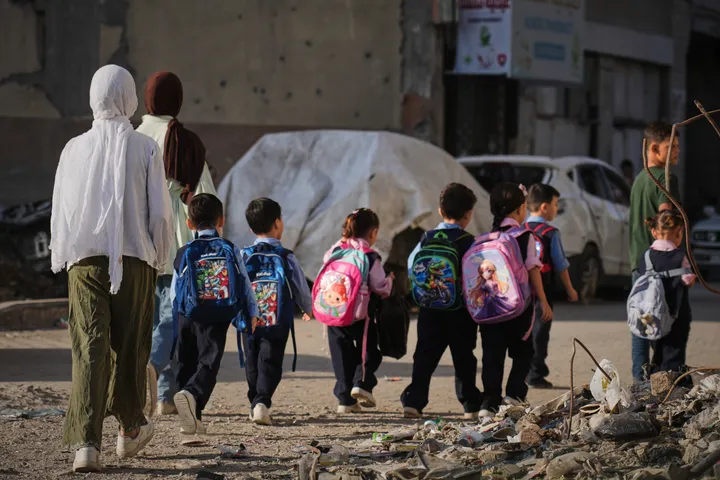


Instead, Israel has systematically outsourced Palestinian survival to international agencies, and is now actively dismantling even those remaining lifelines.
The pattern extends beyond aid. For more than two years, Israel has barred international journalists from entering Gaza independently, ensuring that the devastation unfolds largely out of sight, filtered through military briefings and tightly controlled access.
In this vacuum, Palestinian journalists have become the primary witnesses to the war, continuing to report at extraordinary personal risk, even as many have been killed, injured, or displaced. Their courage is the reason the world sees anything of Gaza at all, because foreign journalists remain shut out.
Preventing both humanitarian workers and journalists from operating freely is not about security. It is about controlling evidence, limiting scrutiny, and insulating actions on the ground from accountability.
Taken together — the destruction of civilian infrastructure, the targeting of healthcare, the starvation of the population, the obstruction of aid, and the suppression of independent reporting — these measures form a coherent strategy, a systematic dismantling of the conditions necessary for life.
That is why this moment must be understood not as a deviation from Israel’s conduct, but as a continuation of it.
The aid ban is part of an ongoing genocide — a process rather than a single act — carried out through policies that make Palestinian existence itself increasingly untenable.
UN agencies and humanitarian organisations have repeatedly documented the scale of destruction and harm inflicted on civilians in Gaza — with the UN-backed Integrated Food Security Phase Classification reporting that over 75 percent of the population still faces severe hunger and acute malnutrition, and OCHA situation updates detailing continuing casualties, infrastructure damage, displacement and blocked aid access.
Crocodile tears?
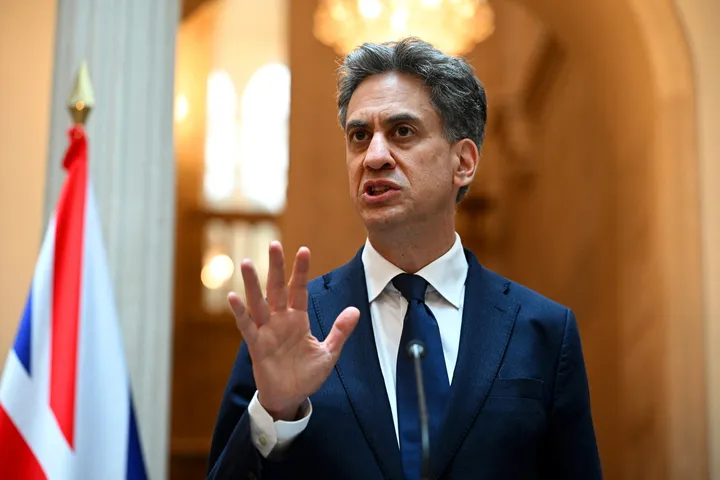
Meanwhile, foreign ministers from the UK, Canada, France and other nations issued joint warnings of a worsening humanitarian crisis and urged unfettered humanitarian access.
Yet much of the international response has remained confined to statements of concern, calls for clarification and appeals to restraint.
This permissiveness is complicity.
By continuing to provide Israel with military, diplomatic, and economic support without meaningful consequences, international actors have created an environment in which policies like these can be implemented with near-total impunity.
Aid bans, media blackouts, and mass civilian suffering are tolerated because Israel is treated as an exception to the rules that supposedly govern international conduct.
The United States has repeatedly vetoed Security Council resolutions calling for civilian protection and humanitarian access for Gaza, major Western governments continue arms sales and military cooperation despite documented civilian harm, and even International Criminal Court investigations have produced no meaningful accountability, all while diplomatic responses have been limited to expressions of concern rather than enforceable action.
The moral contradiction is stark. States that claim to uphold international law, human rights, and humanitarian principles continue to enable actions that directly violate them — so long as the victims are Palestinian.
Gaza has been bombed into rubble. Its hospitals destroyed. Its population displaced, starved, and traumatised.
Now, even the humanitarian organisations keeping people alive are being forced out. What, exactly, does Israel still need to do for the international community to move beyond expressions of concern and take serious, concrete action?
If humanitarian access can be severed, journalists excluded, and civilian survival treated as negotiable without consequence, then the question extends beyond Gaza.
It becomes a question about the credibility of international law itself, and about whose lives it is truly designed to protect.