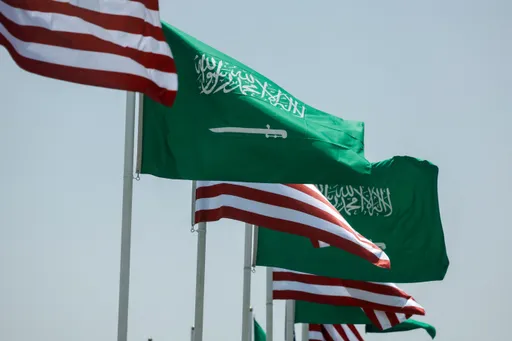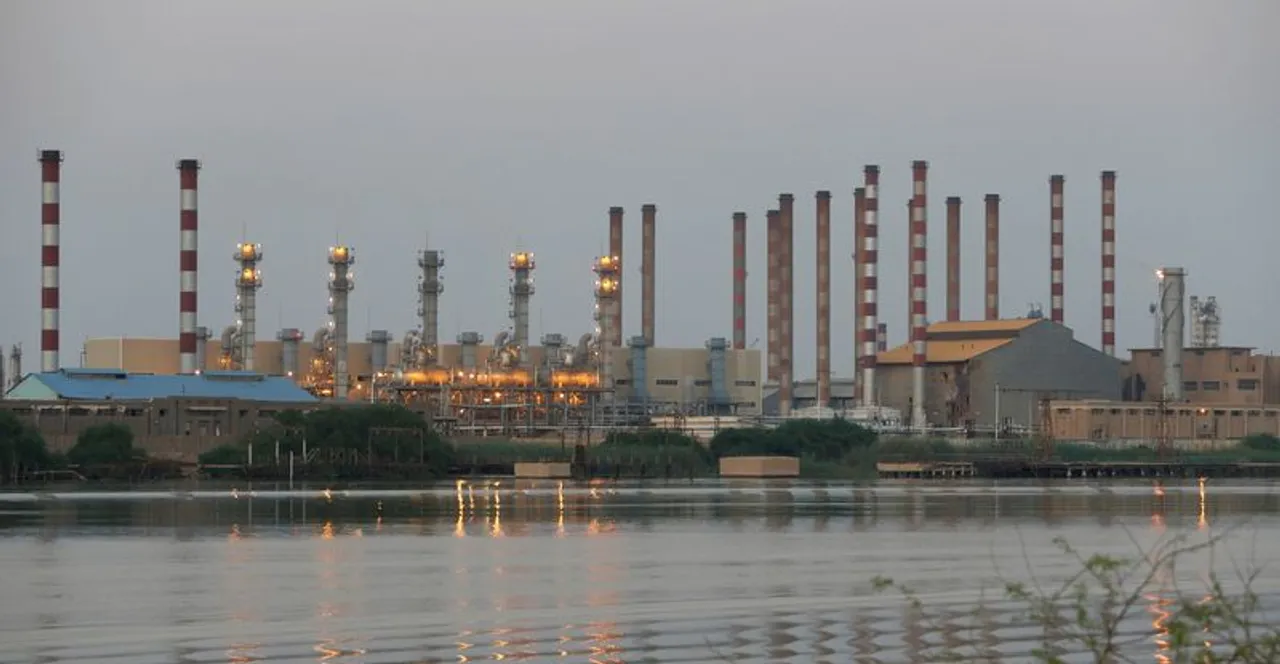
Oil prices were steady on Tuesday as investors assessed risks of supply disruption after Iran conducted naval drills near the Strait of Hormuz right ahead of nuclear talks with the US later in the day.
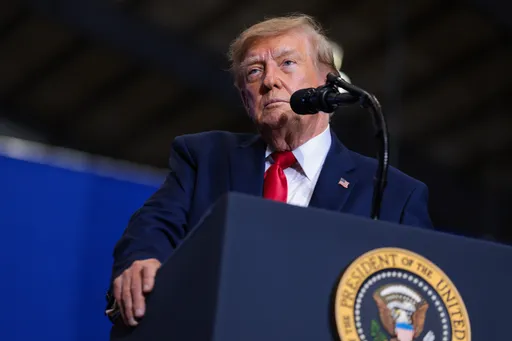
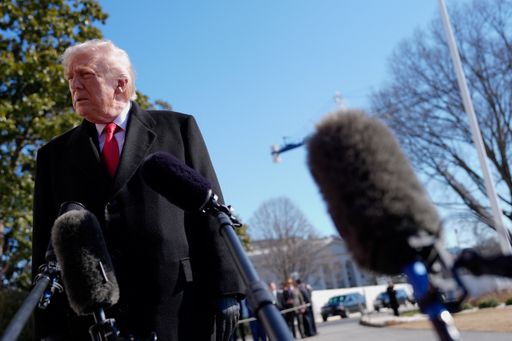
US President Donald Trump said on Monday that he would be involved "indirectly" in the talks in Geneva, adding he believes Tehran wants to make a deal. At the weekend, Trump said that regime change in Iran "would be the best thing that could happen."
Brent crude futures were 0.2 percent lower at $68.59 a barrel by 0106 GMT, following a 1.3 percent gain on Monday.
US West Texas Intermediate crude was at $63.73 a barrel, up 84 cents, or 1.34 percent, but the move included all of Monday's price action as the contract did not have settlement that day due to the US Presidents Day holiday.
Many markets are closed on Tuesday for Lunar New Year holidays, including mainland China, Hong Kong, Taiwan, South Korea and Singapore.
"The market remains unsettled amid ongoing geopolitical uncertainties," Daniel Hynes, an analyst at ANZ, said in a research report.








"Should tensions in the Middle East ease, or meaningful progress be made in the Ukraine situation, the risk premium currently built into oil prices could swiftly unwind. However, any negative outcome or further escalation could prove to be bullish for oil."
Iran began a military drill on Monday in the Strait of Hormuz, a vital international waterway and oil export route from Gulf Arab states, which have been appealing for diplomacy to end the dispute.
Iran, along with fellow OPEC members Saudi Arabia, the United Arab Emirates, Kuwait, and Iraq, export most of its crude via the strait, mainly to Asia.
Meanwhile, Citi said if disruptions to Russian supply keep Brent in a $65 to $70 per barrel range in the coming months, OPEC+ is likely to respond by increasing output from spare capacity.
OPEC+ is leaning towards a resumption in oil output increases from April, three OPEC+ sources said, as the group prepares for peak summer demand and price strength is bolstered by tensions over US-Iran relations.
"It is our base case that both Iran and Russia-Ukraine deals happen by or during the summer of this year, contributing to a decline in prices to $60-62/bbl Brent," Citi said.