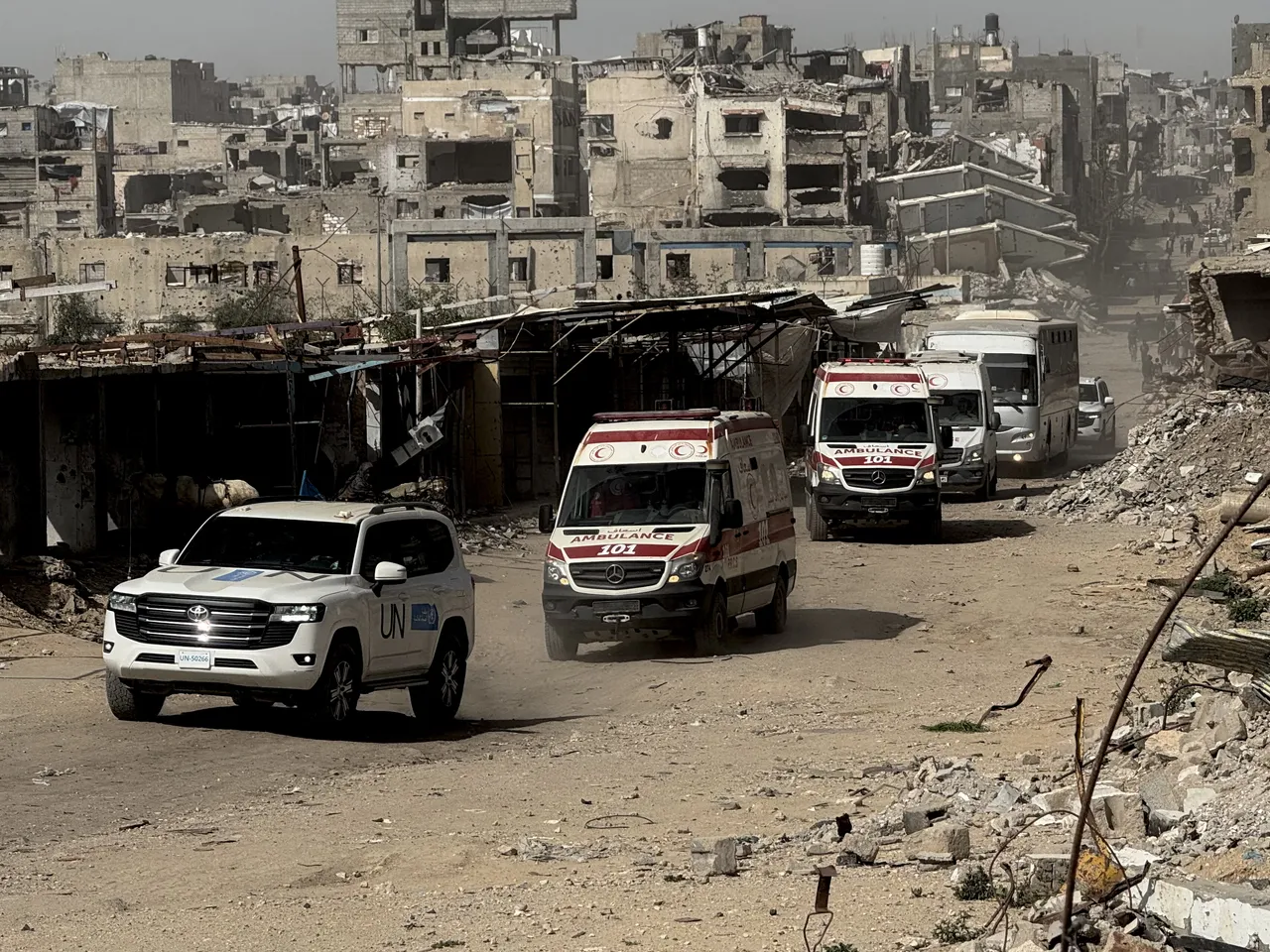
More than 20,000 sick and wounded Palestinians in Gaza are waiting to travel abroad for treatment as Israel continues to operate the Rafah crossing border with Egypt under tight restrictions, the Palestinian Ministry of Health in Gaza said.
In a statement on Sunday, the ministry said it is closely monitoring the continued partial and constrained operation of the crossing amid worsening health conditions in Gaza.
Israel reopened the Palestinian side of the Rafah crossing on February 2 after occupying it since May 2024, but under highly restricted conditions.
The ministry said more than 20,000 patients and wounded people are registered on travel lists, including critically ill cancer, heart and kidney failure patients.
Many of the injured require advanced surgical procedures unavailable inside Gaza due to the blockade and repeated targeting of the health care system, the ministry added.
Although Israel announced the reopening of the crossing, the number of people allowed to travel remains limited and disproportionate to the scale of the health catastrophe, it said.
The ministry said it had also received “harrowing testimony” from patients and wounded individuals who managed to leave for treatment abroad, reporting restrictive measures and unjustified complications imposed by Israel, further compounding their psychological and physical suffering.
On February 5, the UN Human Rights Office in the occupied Palestinian territory said returnees told it that after crossing, armed Palestinian men supported by the Israeli military took them to an Israeli military checkpoint, where some were handcuffed, blindfolded, searched, threatened and had their belongings confiscated.
In response to the accounts, two Israeli human rights organisations, Adalah and Gisha, called for an end to “a policy of abuse and unlawful restrictions” imposed on Gaza residents seeking to return through Rafah, warning that the measures amount to “forced displacement”.
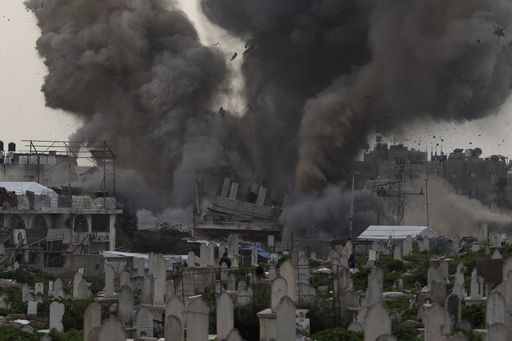
Deepening humanitarian crisis






The Palestinian health ministry in Gaza warned that continuing the restricted mechanism at Rafah, limiting the number of travelers and slowing medical evacuations threatens the lives of thousands of patients and deepens the humanitarian crisis.
It urged that the crossing be opened permanently and regularly to ensure that patients and wounded individuals can travel without restrictions or delays.
The ministry also called for the urgent evacuation of critical cases and an increase in the number of travelers in line with accumulated medical needs, urging international and humanitarian bodies to intervene to guarantee patients’ right to treatment and travel under international law.
Quasi-official figures also show that 80,000 Palestinians have registered to return to Gaza, underscoring widespread refusal of displacement and insistence on returning despite the destruction.
Before the war, hundreds of Palestinians crossed Rafah daily in both directions under a mechanism managed by Gaza’s Interior Ministry and Egyptian authorities, without Israeli involvement.
Under the first phase of the ceasefire agreement, Israel was supposed to fully reopen the crossing when the truce took effect on October 10, 2025, but it has failed to do so.
The ceasefire ended Israel’s two-year war that began on October 8, 2023.
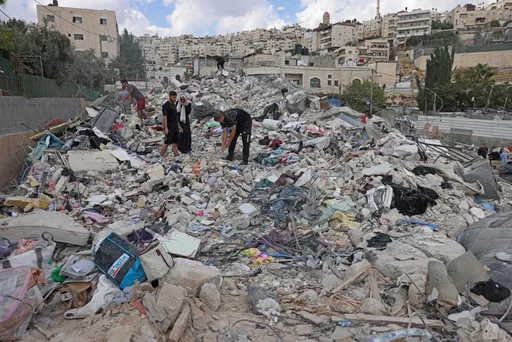
Palestinian authorities say the conflict killed more than 72,000 Palestinians, wounded over 171,000 others, and caused widespread destruction affecting 90 percent of civilian infrastructure.
The UN estimates reconstruction costs at approximately $70 billion.
At least 601 Palestinians have been killed and over 1,600 others injured in Israeli attacks since the ceasefire, according to the Palestinian health ministry in Gaza.