The United States launched a series of large-scale air strikes across Venezuela early on Saturday morning, targeting key military installations in Caracas and beyond.
Reports showed explosions near Caracas, with Venezuela issuing strong warnings about further escalation.
Here’s what we know so far:
Trump confirms the strikes
US President Trump confirmed US had carried out a “large-scale strike” against Venezuela.
Trump said in a Truth Social post that Venezuelan President Nicolas Maduro and his wife were "captured and flown out of the Country."
"The United States of America has successfully carried out a large scale strike against Venezuela and its leader," Trump wrote.
Earlier, US officials had said Trump ordered military strikes inside Venezuela early Saturday, targeting sites including military facilities, as part of a broader pressure campaign against Maduro’s government.
The military attacks culminated in the capture of Venezuelan President Nicolas Maduro and his wife, Cilia Flores, who were reportedly apprehended by elite Delta Force units and flown out of the country.
Venezuelan Vice-President Delcy Rodriguez has demanded “proof of life” for President Maduro and his wife, questioning their whereabouts.
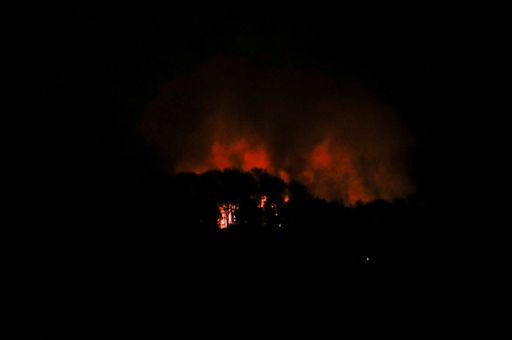
US media outlets CBS News and Fox News reported that unnamed Trump administration officials confirmed that US forces were involved.
Several explosions and low-flying aircraft were heard around 2 am local time Saturday in Venezuela’s capital, Caracas, US media reported.
The full extent and causes are still being confirmed.
The US maintains that its actions focus on disrupting criminal operations, not directly attacking civilians.
The strikes come amid an ongoing US military buildup in the Caribbean, which has included naval forces, air assets, and prior operations against alleged drug trafficking networks.
On Friday, Venezuela said it was open to negotiating an agreement with the US to combat drug trafficking.
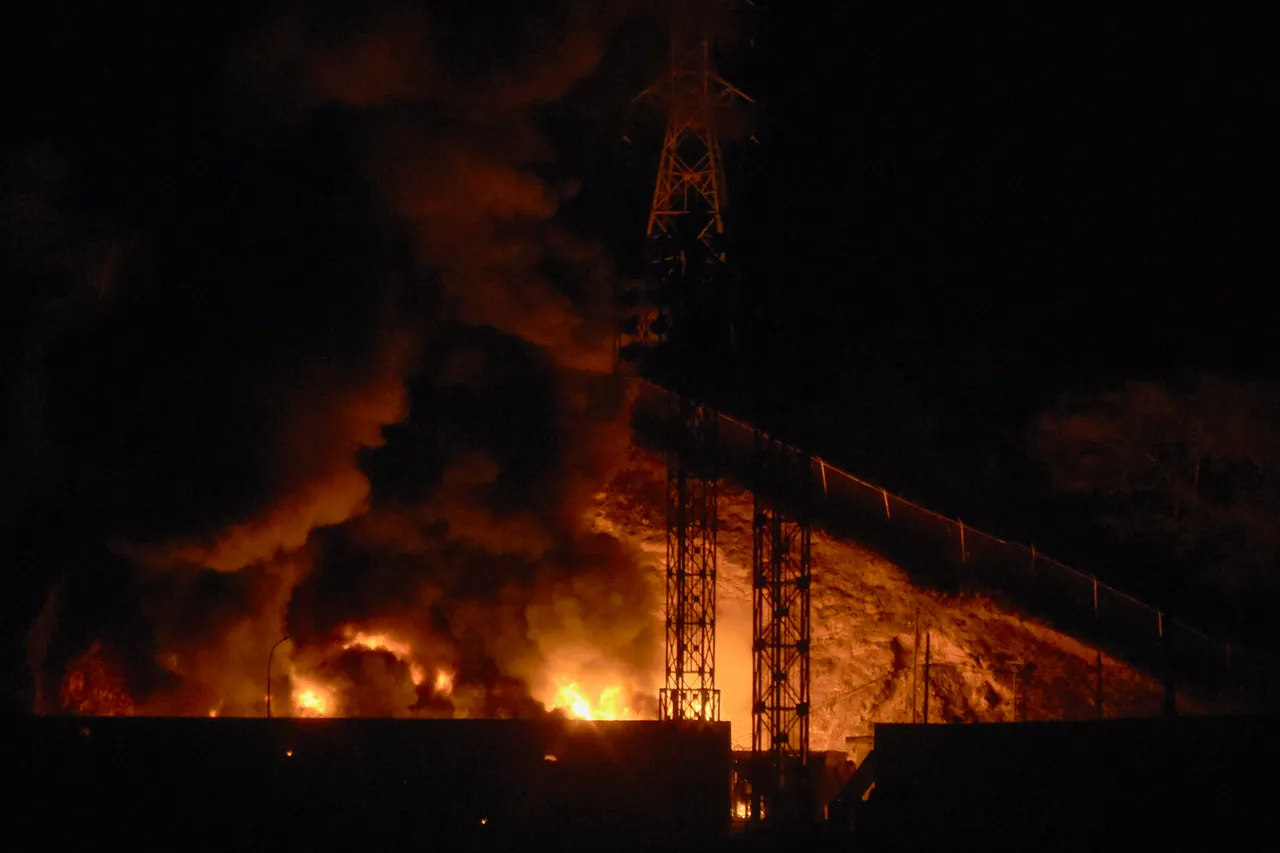
Videos circulating on social media appeared to show thick smoke rising from several locations in the city, and air-raid sirens could be heard.
What do we know of the explosions?
On Saturday morning, around 2 am local time, explosions could be heard from different parts of Caracas.
Eyewitnesses reported that smoke could be seen pouring from two key military installations in Caracas on Saturday morning: the La Carlota military airfield at the heart of the city and the Fuerte Tiuna military base, where President Maduro has long been thought to live.
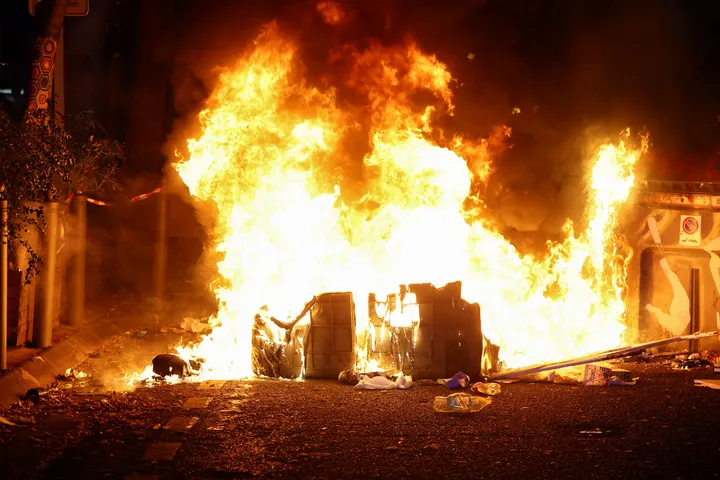
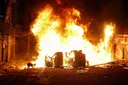
The explosions in Caracas occurred around 30 minutes.
In several neighbourhoods, residents ran out into the street, while others took to social media to report what they had heard and seen.
Two hours later, several areas of the city were still without electricity, but vehicles were still circulating freely.
Smoke could be seen rising from a hangar at a military base in Caracas. Another military installation in the capital was without electricity.
Venezuelan government reaction
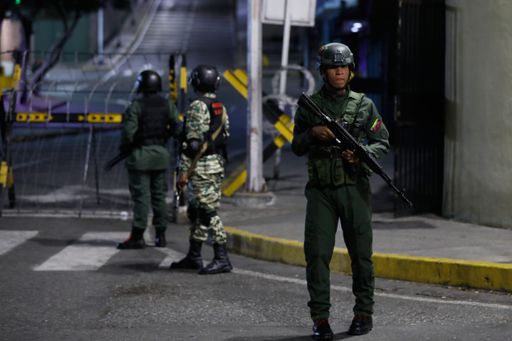
President Nicolas Maduro’s government has condemned the strikes, calling them “extremely serious military aggression” by the US and accusing Washington of attempting regime change.
A national state of emergency has been declared as Caracas mobilises defences and urges political and social forces to prepare.
"Venezuela rejects, repudiates, and denounces before the international community the extremely serious military aggression perpetrated by the current government of the United States of America against Venezuelan territory and people," the Venezuelan government said.
Venezuelan Foreign Minister Yvan Gil also condemned the strikes as a “flagrant violation” of the UN Charter, saying they threaten international peace and stability and put millions of lives at risk.
"The Bolivarian Republic of Venezuela rejects, condemns, and denounces before the international community the extremely grave military aggression carried out by the current Government of the United States of America against Venezuelan territory and population, targeting civilian and military locations in the city of Caracas, the capital of the Republic, and the states of Miranda, Aragua, and La Guaira," Gil said in a statement.
“Such aggression threatens international peace and stability, specifically in Latin America and the Caribbean, and puts the lives of millions of people at serious risk,” Gil said.
According to him, the objective of the attacks was to seize Venezuela’s strategic resources, particularly oil and minerals, and to undermine the nation’s political independence. “They will not succeed,” he said.
“The attempt to impose a colonial war to destroy the republican form of government and force a ‘regime change,’ in alliance with the fascist oligarchy, will fail as all previous attempts have failed,” the foreign minister added.
Iran, Cuba, Colombia condemn US attack
The Iranian foreign ministry said it "strongly condemns the American military attack on Venezuela and the flagrant violation of the national sovereignty and territorial integrity of the country".
Leaders of Cuba and Colombia also opposed the US military strikes.
"Cuba denounces and demands an urgent reaction from the international community against the criminal US attack on Venezuela," Cuban President Miguel Diaz-Canel said on X.
He said the region is "being brutally assaulted" and called it "state terrorism against the brave Venezuelan people and against Our America."
Colombian President Gustavo Petro also expressed concern over reports of explosions and unusual aerial activity in Venezuela and the resulting escalation of tensions.
He rejected "any unilateral military action that would exacerbate the situation or put civilian populations at risk."