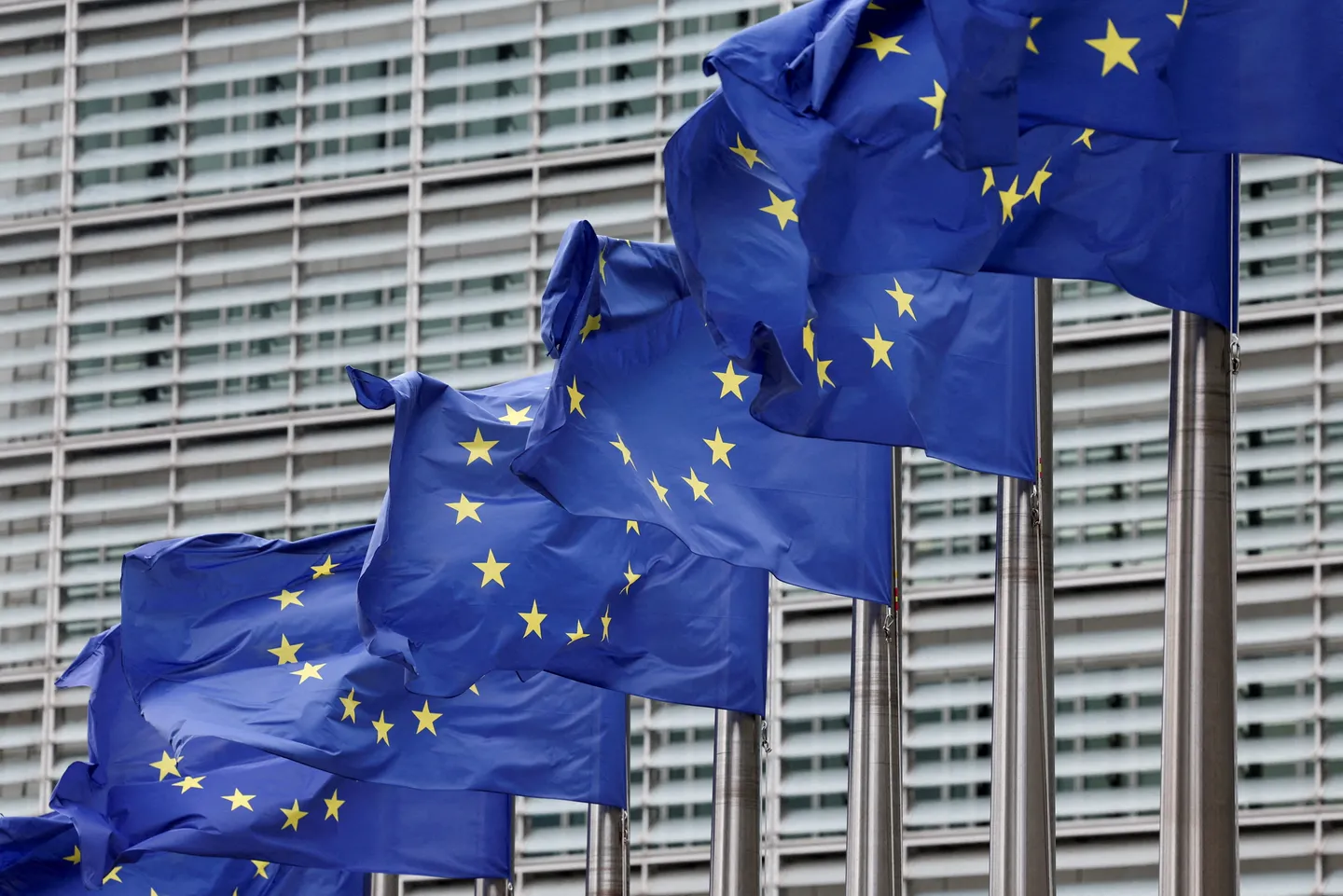
The Council of the European Union adopted its negotiating position on Monday on two major pieces of legislation aimed at tightening the bloc’s asylum system, paving the way for the faster rejection of claims considered unlikely to qualify for protection.
The decisions mark a key step in implementing the EU’s 2024 Pact on Migration and Asylum, particularly through reforms to the “safe third country” concept and the establishment of the first EU-wide list of “safe countries of origin.”
Under the Council’s revised approach to the “safe third country” concept, member states would gain wider latitude to dismiss asylum applications as inadmissible without examining their merits.
The updated rules allow three pathways for applying the “safe third country” concept.
First, a connection between the applicant and the third country will no longer be required.
Second is transit through the third country before arrival in the EU.
Third is an agreement or arrangement ensuring that the asylum claim will be examined in a designated safe third country. This option will not be applicable in the case of unaccompanied minors.





Applicants who challenge inadmissibility decisions under the safe third country rules would lose the automatic right to remain in the EU during the appeal process, though they may still request judicial permission to stay.
In a parallel move, the Council has backed the first EU-level list of safe countries of origin, intended to fast-track asylum procedures for applicants presumed to be at low risk of persecution.
The list, which is part of the new asylum procedure regulation under the migration and asylum pact, includes Bangladesh, Colombia, Egypt, Morocco, Kosovo, India and Tunisia.
Applicants from these countries would be subject to accelerated procedures, which may be conducted at borders or transit zones.
The Council’s position also empowers the Commission to suspend a country’s designation, wholly or partially, if conditions deteriorate.
Member states may also continue to maintain national lists that include countries not covered by the EU-wide designation.