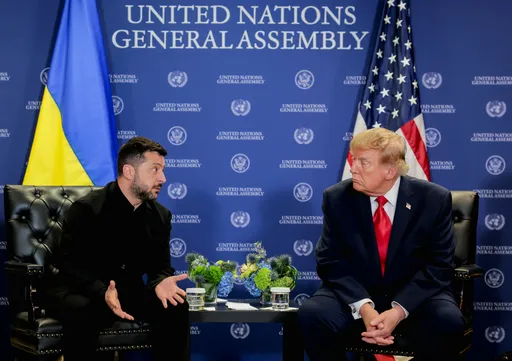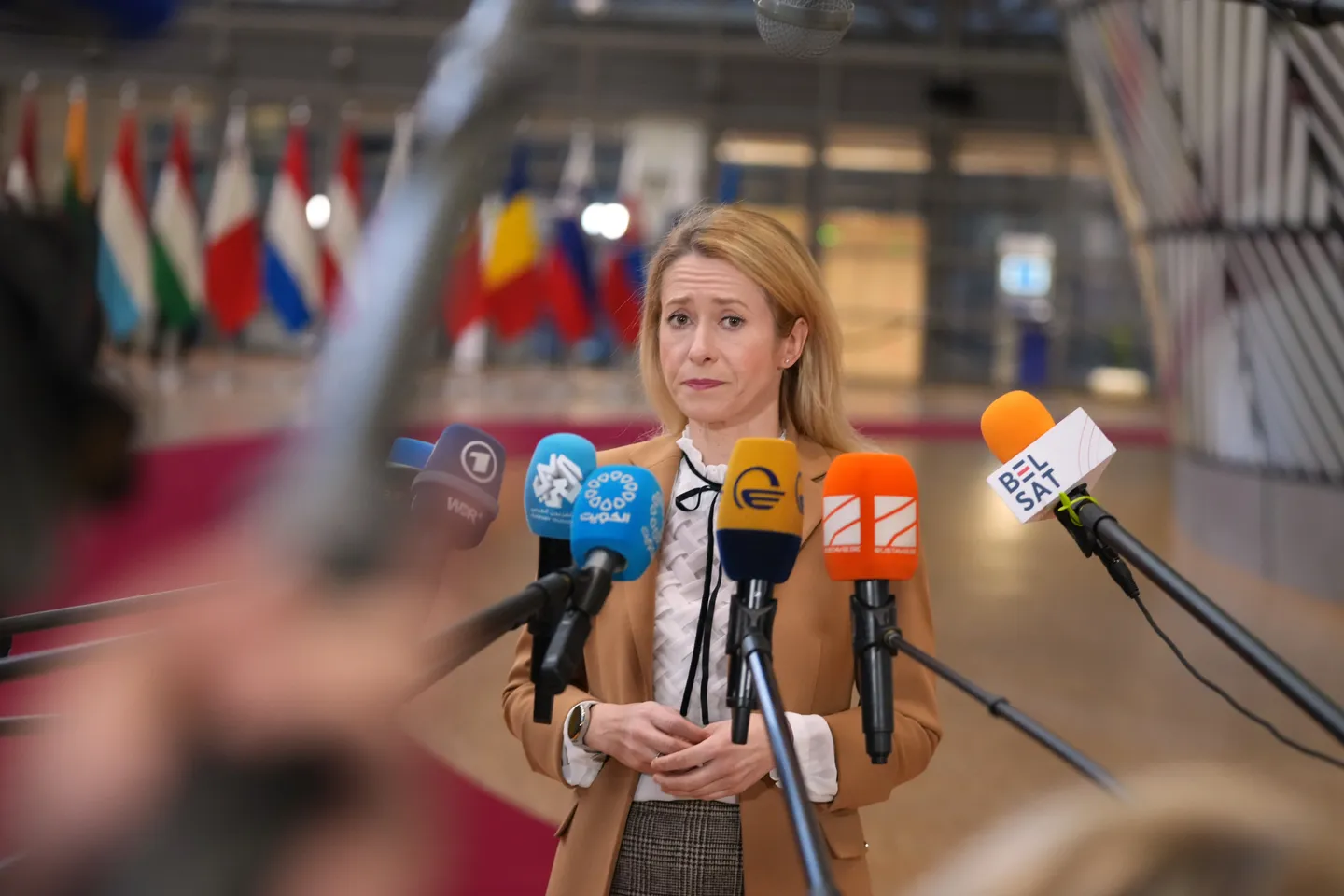
EU foreign policy chief Kaja Kallas said on Monday that the coming days could mark a "pivotal" moment for diplomatic efforts on Ukraine, following "difficult but productive" talks in the US on the potential peace agreement.
Speaking ahead of an EU defence ministers' meeting in Brussels, Kallas said ministers would focus on strengthening aid to Ukraine and boosting the bloc's own defence readiness.
Kallas emphasised the urgency of reinforcing Ukraine's defences, stressing that Moscow shows no signs of seeking peace.
"It is clear that Russia does not want peace, and therefore we need to make Ukraine as strong as possible in order for them to be ready to stand up for themselves in this very, very difficult time," she said.
Calling the week ahead potentially decisive, Kallas pointed to ongoing discussions in Washington.
"It could be a pivotal week for diplomacy. We heard yesterday that the talks in America were difficult but productive. We don't know the results yet," she said, adding that both Ukraine's defence and foreign ministers would brief EU officials during the meeting.
Pressure should be balanced




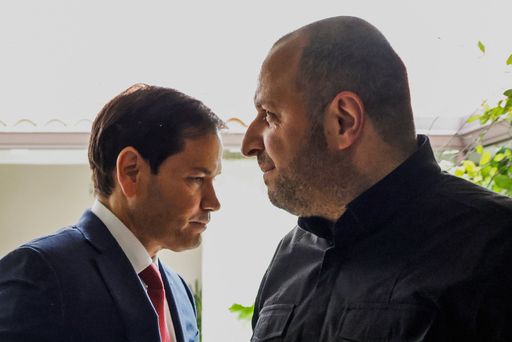
Talks between the US and Ukraine on Sunday in Florida centred on determining where a potential peace agreement would establish the de facto border with Russia, according to two Ukrainian officials who spoke with the Axios news site.
Speaking after the meeting, Secretary of State Marco Rubio said the session was "productive" and "successful" as negotiations continue on a peace plan to end the Russia-Ukraine war.
Asked whether she trusted Washington to reach a good outcome for Kiev, Kallas stressed that Ukraine ultimately carries the burden of its own defence.
“Ukrainians are there alone. If they would be together with Europeans, they would definitely be much stronger. But I trust that the Ukrainians stand up for themselves,” she added.
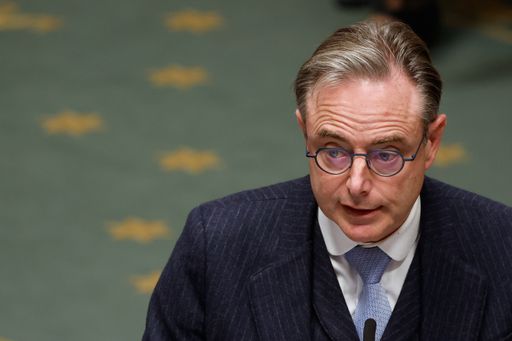
Addressing Belgium's hesitation over using profits from frozen Russian assets to support Ukraine, Kallas acknowledged that Brussels has "legitimate concerns" but noted that the rest of the bloc is ready to share the risks.
Kallas also underlined that pressure must not fall disproportionately on Ukraine.
"If there is going to be pressure on Ukraine's army, which hasn’t invaded anybody, then there should also be pressure on the Russian army," she said.