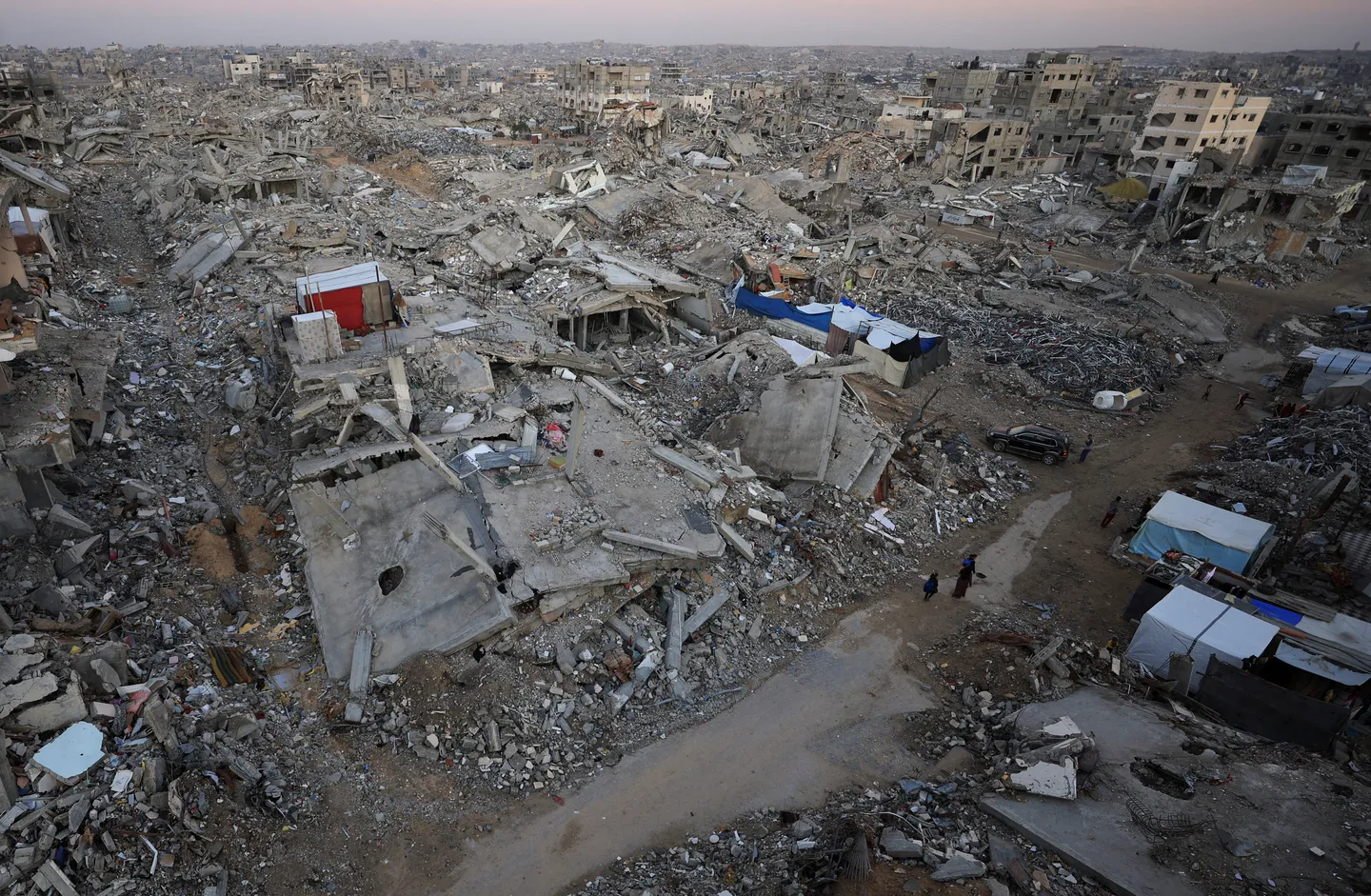
The head of Gaza’s administration committee has said that a one-year budget has been provided by donor states to enable the committee to carry out its work, stressing the need to establish an international reconstruction fund.
“The committee is pushing to create a reconstruction and relief fund at the World Bank,” Ali Shaath said on Friday, describing it as a key step for Gaza’s recovery, according to Qahera News TV.
Shaath added that the committee’s goal is “to give the Palestinian people hope that there is a future,” adding that its immediate objective is to bring “smiles on the faces of Gaza’s children, women, and men,” the channel reported.
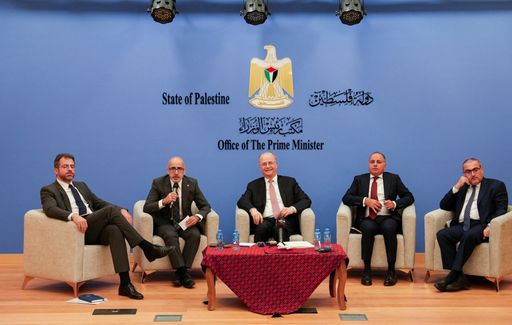
The first meeting of the Gaza Administration Committee was held in Cairo on Friday, with discussions focusing on humanitarian relief and postwar reconstruction plans.
Local sources as well as Palestinian, regional, and international media have reported that a technocratic committee was recently formed and its Palestinian members named.
The development came after US Middle East Envoy Steve Witkoff announced the start of phase two of the US Gaza plan and the outcomes of talks among Palestinian factions held in Cairo on Wednesday, the channel reported.
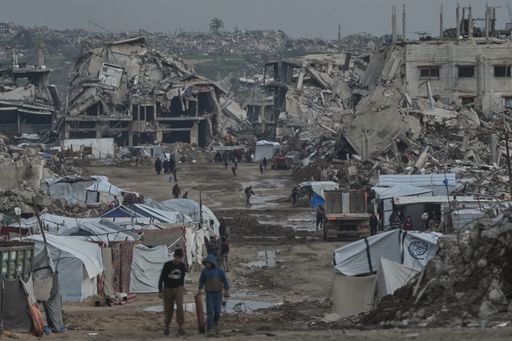
Second phase of Gaza peace plan
Phase two focuses on establishing a Peace Council framework that combines a Palestinian technocratic committee with an international stabilisation force to manage Gaza’s transition.
The arrangement envisions a technocratic body handling civil administration and basic services as Israeli occupation forces withdraw from the enclave, while an international force provides security and stability on a temporary basis.
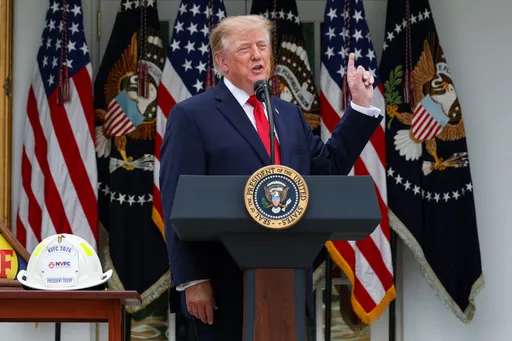
The structure would reportedly operate under the supervision of a Peace Council led by US President Donald Trump backed by a resolution adopted by the UN Security Council.
According to sources, the technocratic committee is chaired by Ali Shaath, a former Palestinian deputy planning minister.
Its known members include Omar Shamaly, responsible for telecommunications, along with Abdul Karim Ashour for agriculture, Raed Yaghi for health, Raed Abu Ramadan for trade and the economy, Jabr al-Daour for education, Bashir al-Rais for finance, Ali Barhoum for water and municipalities, and Hanaa Tarzi for social affairs and women’s issues.