The Indiana Senate has rejected a new congressional map backed by US President Donald Trump, dealing a setback to his push to reshape electoral districts ahead of next year’s midterm elections.
The bill was voted down 31–19, with more than half of Republican senators joining all 10 Democrats in opposing the proposal, despite months of pressure from the White House.
The vote marked a rare public rebuke of Trump by members of his own party.
Trump had warned that Republican senators who opposed the map could face primary challengers, naming several in a series of critical social media posts ahead of the vote.
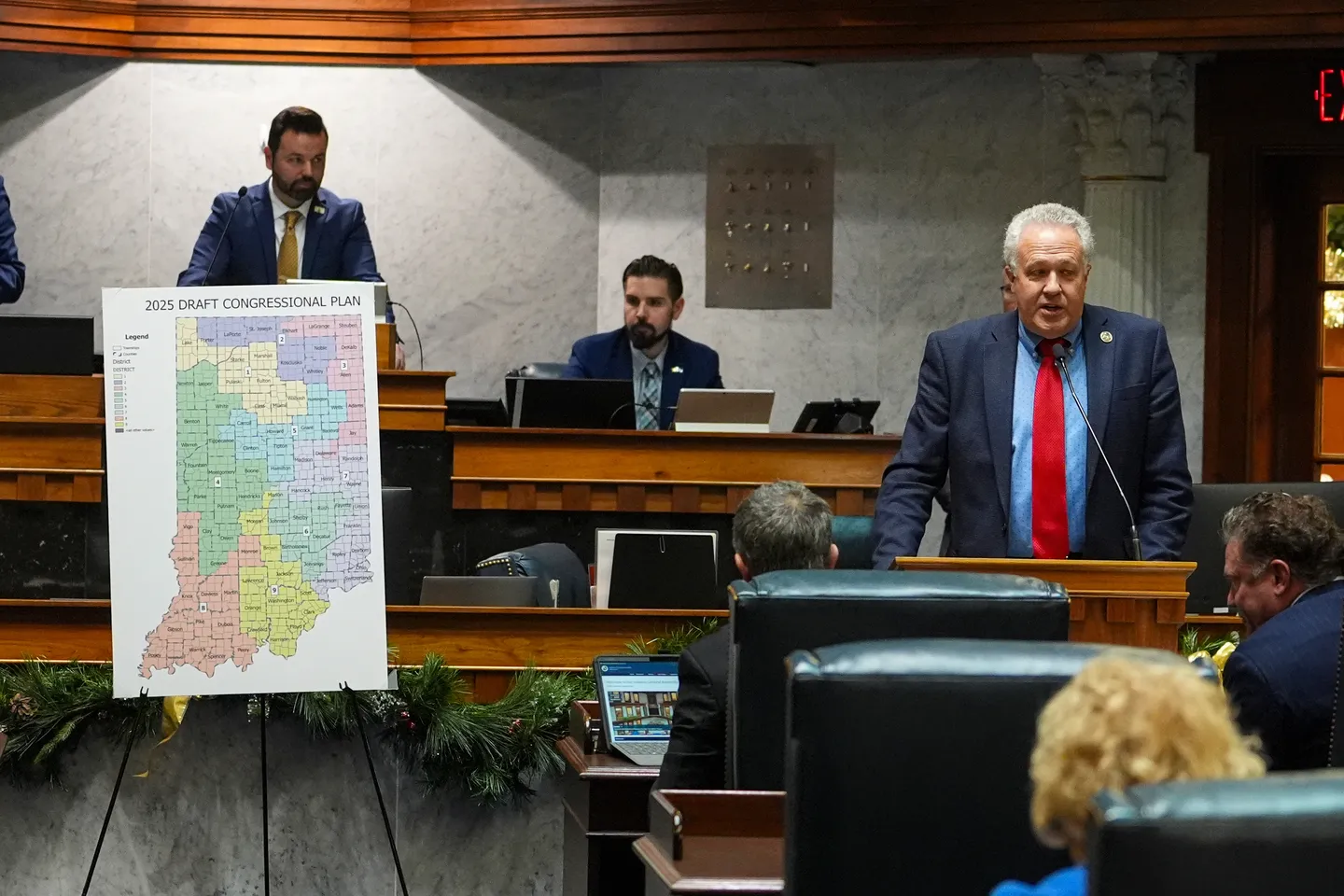
The rejected map, which passed the Indiana House last week, would likely have given Republicans a clean sweep of the state’s nine seats in the US House of Representatives in the 2026 midterms.
It would have redrawn two districts currently held by Democrats and split Indianapolis into four separate districts — a move Democrats said would dilute minority voting power.
During the debate, Republican supporters of the bill argued that failure to pass the map could hand control of the House to Democrats.

Rare bipartisan rejection







Senator Chris Garten said the country’s future was at stake, while the bill’s sponsor, Senator Mike Gaskill, warned that a "second US civil war has already begun."
Republican Senator Spencer Deery, one of several party members to oppose the measure, said lawmakers should not decide electoral outcomes.
"Living in a free constitutional republic means we empower voters to make those decisions, and we accept their will no matter what," Deery said.
Redistricting usually follows the decennial census, but Trump reignited nationwide battles this summer by urging Texas Republicans to redraw their map to target Democratic incumbents.
Democrats responded with redistricting efforts in states including California, while other states have seen internal resistance.
Trump-backed efforts have stalled in Kansas, and Democrats in Maryland remain divided over whether to pursue new maps.
Control of the US House remains finely balanced, with Democrats needing to flip just three seats to secure a majority.