Geoeconomic confrontation has emerged as the most severe global risk over the next two years, underscoring a sharp rise in geopolitical and economic tensions in an increasingly competitive global order, according to the World Economic Forum’s Global Risks Report 2026.
Wednesday’s report ranked geoeconomic confrontation first in severity over the short term, followed by misinformation and disinformation, societal polarisation, extreme weather events and state-based armed conflict.
Cyber insecurity, inequality, erosion of human rights, pollution and involuntary migration also feature among the top 10 short-term risks.
Looking over a 10-year horizon, environmental threats dominate the risk landscape. Extreme weather events are ranked as the most severe long-term risk, followed by biodiversity loss, ecosystem collapse and critical change to Earth systems.
Misinformation and disinformation rank fourth, while adverse outcomes of artificial intelligence technologies place fifth in the long-term outlook.
The report reflected deep uncertainty among global leaders and experts. Half of the respondents surveyed expect a turbulent or stormy global outlook over the next two years, while only 1 percent anticipate calm conditions.
Over the next decade, 57 percent foresee a turbulent or stormy world.

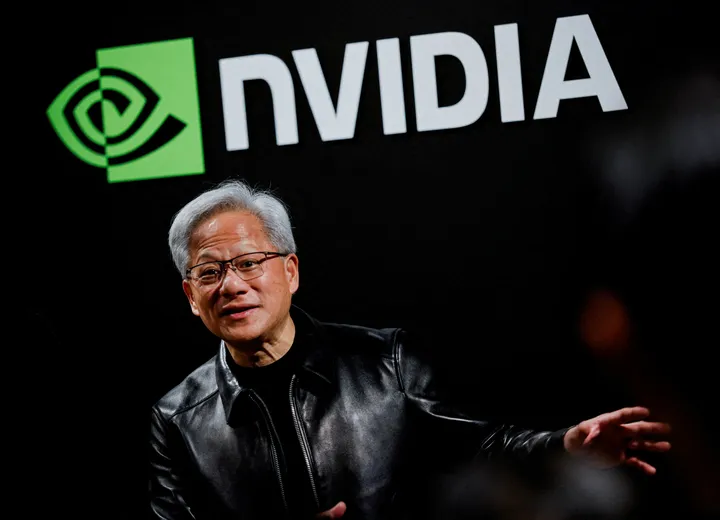
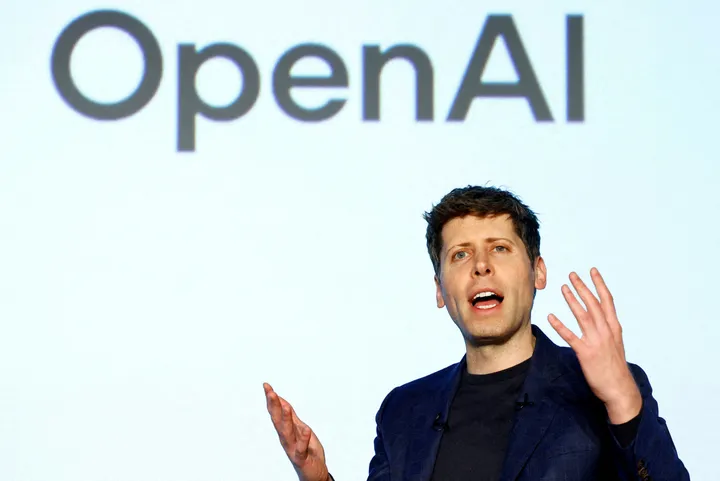




"A new competitive order is taking shape as major powers seek to secure their spheres of interest," said World Economic Forum President and CEO Borge Brende.
"This shifting landscape, where cooperation looks markedly different than it did yesterday, reflects a pragmatic reality."
Economic risks showed the fastest rise in the short term, with concerns about economic downturns and inflation both climbing eight positions year-on-year.
The report also found that 68 percent of respondents expect a "multipolar or fragmented order" over the next decade, raising concerns about supply chains and global economic stability.
"The Global Risks Report offers an early warning system as the age of competition compounds global risks – from geoeconomic confrontation to unchecked technology to rising debt – and changes our collective capacity to address them. But none of these risks are a foregone conclusion," said Saadia Zahidi, Managing Director of the World Economic Forum.
This year’s annual meeting will take place on January 19-23.