The World Trade Organization (WTO) must overhaul itself or risk sliding into irrelevance, the official steering the talks on reform has warned, as mounting geopolitical tensions and US defiance of long-standing trade rules push the global body toward a breaking point.
“We need to reform,” said Norway’s ambassador to the WTO, Petter Olberg. “Reform or die.”
Olberg, who is facilitating discussions on revamping the Geneva-based organisation, said he is preparing a reform work plan that trade ministers will be asked to endorse at the WTO’s next ministerial conference in Yaounde, Cameroon, from March 26–29.
The WTO, founded in 1995 on a post-World War II trading framework, oversees large portions of global commerce but has struggled for years with deep-seated structural flaws — notably a requirement that all 166 members agree by consensus on new rules, and a dispute settlement system crippled by a US blockade of judicial appointments.
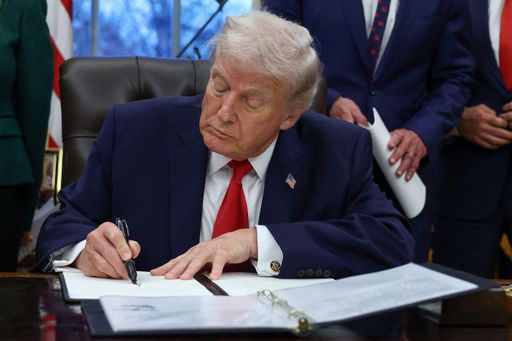
Those weaknesses have taken on new urgency since US President Donald Trump returned to office last year, unleashing sweeping tariffs and sidelining multilateral rules.
“Everyone realises there’s a sense of urgency that wasn’t there before,” Olberg said. “This time… we have to do it.”
Moves against principles barring discrimination between trading partners
At the World Economic Forum in Davos last month, WTO Director-General Ngozi Okonjo-Iweala warned that trade deals announced by Washington have not been notified to the organisation, as required.
That omission has raised fears they could violate the WTO’s cornerstone “most-favoured nation” principle, which bars discrimination between trading partners.
The United States has openly questioned whether that principle still makes sense, calling it “unsuitable for this era” and arguing that some countries operate economic systems incompatible with WTO norms.



Olberg called Washington’s stance “a game-changer”.
“I think the US is fed up, and quite a few others are also quite fed up,” he said. “We cannot go on like this.”
Rather than clinching a final deal in Yaounde, Olberg hopes ministers will agree on a structured reform roadmap with clear objectives and deadlines.
Growing frustration
Despite its problems, he stressed that most WTO agreements still function and underpin an estimated 72 percent of global trade — from customs valuation rules to intellectual property protections.
But frustration is growing over an organisation increasingly unable to update its rulebook or enforce existing obligations.
“We’re not able to adopt new rules, and we’re not able to change the old rules,” Olberg said.
If that paralysis persists, he warned, the WTO risks becoming irrelevant in a world already drifting toward power-based, bilateral trade deals.
“The alternative is not status quo,” Olberg said. “Now more than ever, people are understanding that we have to change.”