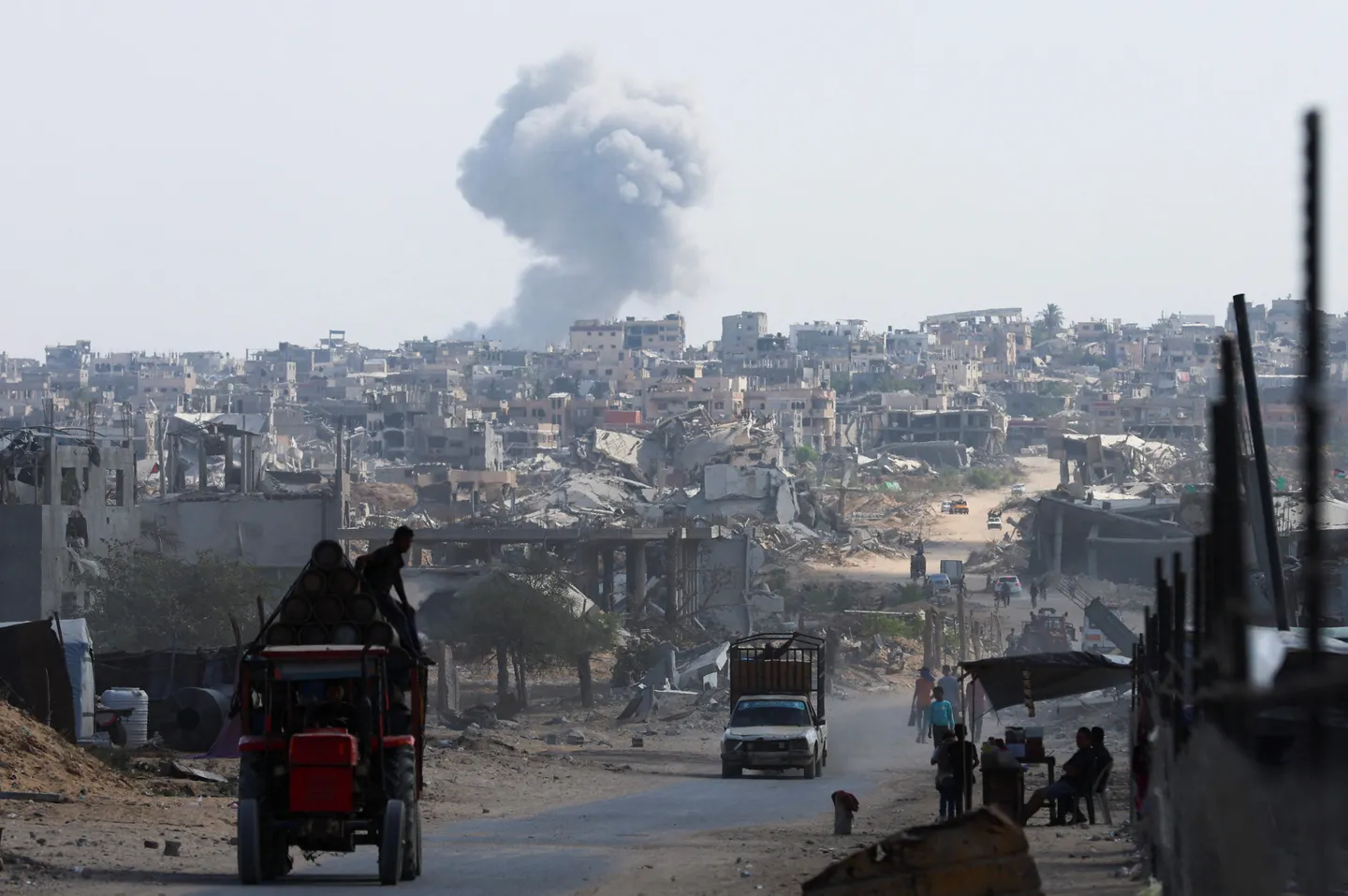
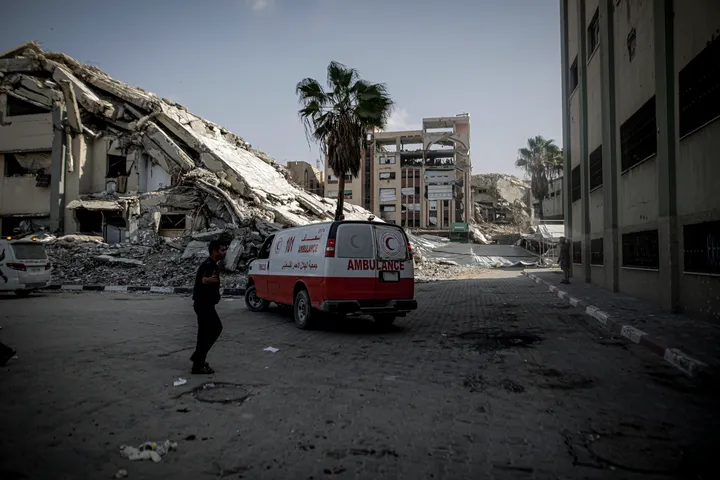
A UN spokesperson has said that humanitarian operations in besieged Gaza remain heavily constrained despite a ceasefire, citing continued restrictions and damaged infrastructure.
"The Office for the Coordination of Humanitarian Affairs (OCHA) says the scale-up of humanitarian operations continues under the ceasefire, but remains constrained by ongoing restrictions and other impediments," Farhan Haq told reporters on Thursday.
OCHA said aid convoys have faced repeated rerouting orders from Israel for three consecutive days, forcing them to travel through the Philadelphi Corridor along the border with Egypt before moving up the narrow Coastal Road.
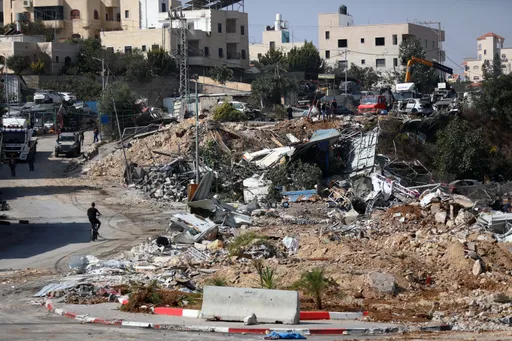
"This road is narrow, damaged, and heavily congested. Movement remained slower, even after the World Food Program (WFP) repaired the road. Additional crossings and internal routes are needed to expand collections and response," Haq said.
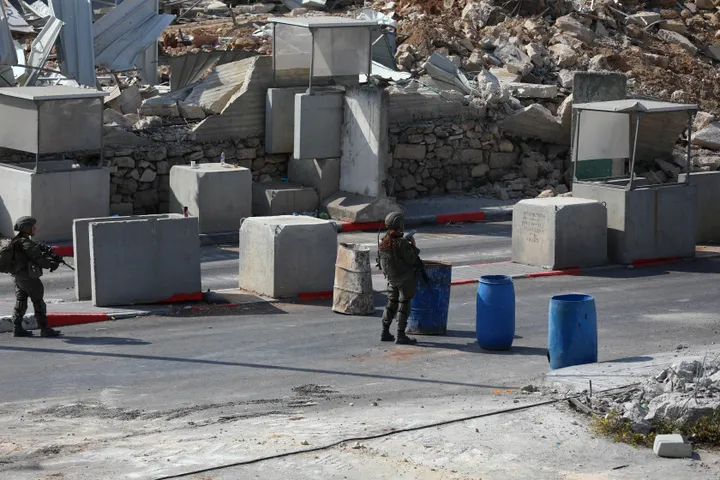
Turning to the occupied West Bank, Haq said Ramiz Alakbarov, deputy special coordinator and humanitarian coordinator for the Occupied Palestinian Territory, led a field visit to the Ramallah area to highlight challenges faced during the olive harvest.
"So far this month, 126 settler attacks related to the olive harvest have caused casualties or damage across 70 villages," said Haq, citing OCHA's records as of Monday.
Farmers have been assaulted, crops and tools stolen, and more than 4,000 trees have been vandalised, and in total, 124 Palestinians have been wounded, he added.






Genocide
The remarks come as Israel continues violating the fragile ceasefire in the blockaded enclave, which took place on October 10.
Phase one of the deal includes the release of Israeli hostages in exchange for nearly 2,000 Palestinian prisoners.
The plan also envisages the rebuilding of Gaza and the establishment of a new governing mechanism without Hamas.
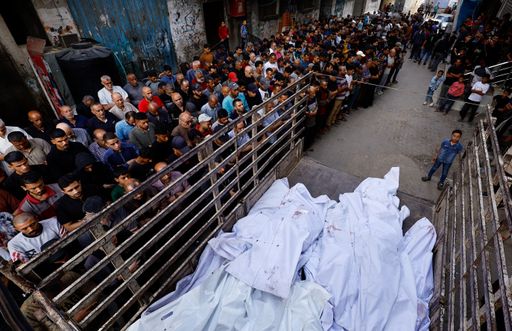
Israel has killed nearly 69,000 people, mostly women and children, and wounded over 170,600 others in attacks in Gaza since October 2023.
It has reduced most of the enclave to ruins and practically displaced all of its population.