The United Nations is moving to shape global rules for artificial intelligence as mounting concerns over economic disruption, misinformation and online abuse intensify pressure on governments to act.
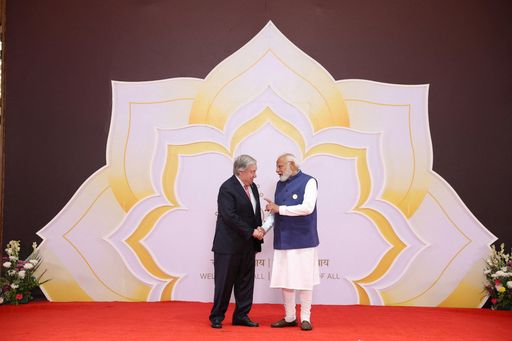
Secretary-General Antonio Guterres on Friday said a newly confirmed international expert panel would help policymakers better understand the risks posed by rapidly evolving AI systems and design smarter regulation.
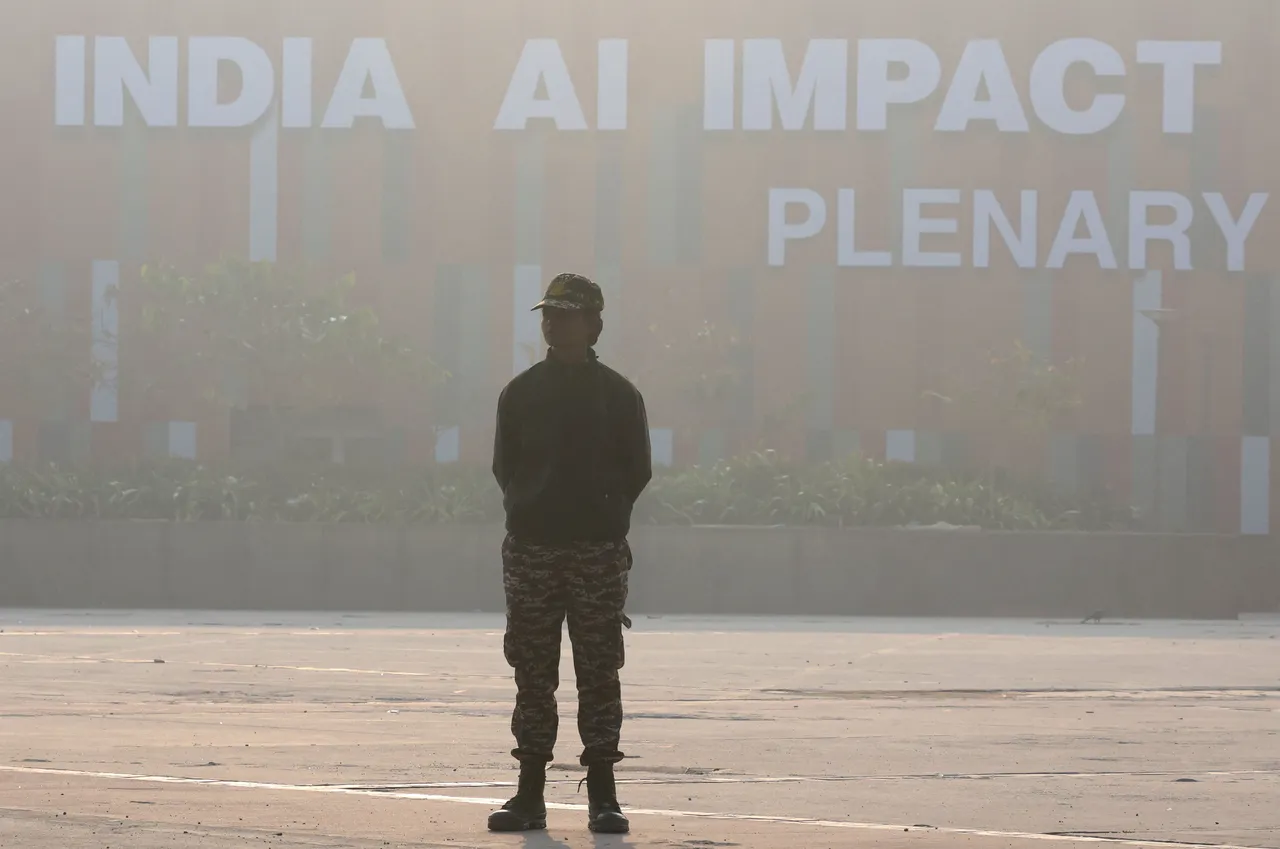
Speaking at a summit in New Delhi, Guterres warned that technological advances are outpacing the world’s ability to govern them, leaving societies exposed to unintended consequences ranging from job displacement to the spread of harmful content.
The Independent International Scientific Panel on Artificial Intelligence — modelled in part on the Intergovernmental Panel on Climate Change — is intended to provide science-based assessments that governments can rely on when drafting AI rules.





Guterres said clearer evidence about what AI can and cannot do would allow regulators to move beyond blunt restrictions toward targeted safeguards, ensuring innovation continues while risks are contained.
Among the panel’s members are Nobel laureate journalist Maria Ressa and Canadian AI researcher Yoshua Bengio. Its first report is expected ahead of a UN dialogue on AI governance in July.
World leaders are expected to issue a joint statement on the technology later on Friday, as the summit wraps up with growing consensus that global coordination will be essential to manage AI’s impact.