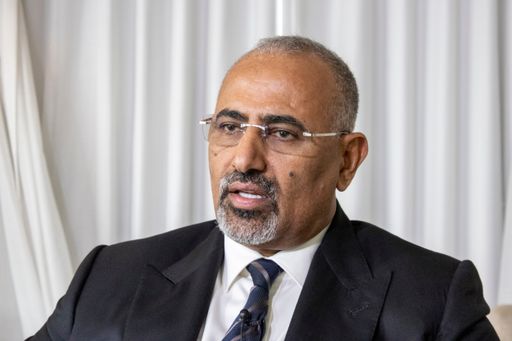
At least four people were killed in Saudi-led coalition strikes in Yemen, two hospital sources told AFP, after the coalition accused separatist Southern Transitional Council (STC) leader Aidarous al-Zubaidi of failing to board a flight scheduled to take him to Saudi Arabia.
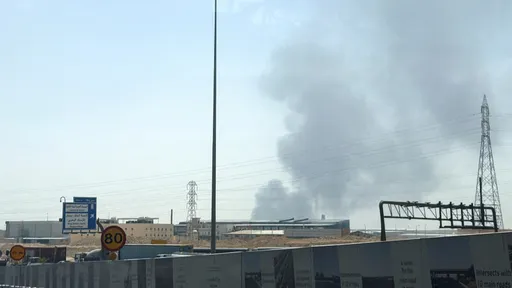
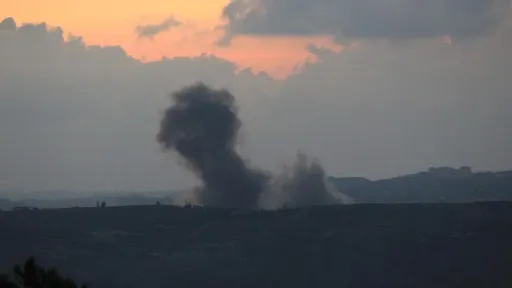
"The initial toll from the strikes on the province of Al-Dhale is four civilian deaths and six wounded," medical sources at the Al-Nasr and Al-Tadamon hospitals in al-Dhale told AFP.
“Following coordination with the legitimate government and National Shield Forces, the Coalition Forces conducted a limited preemptive strike at (0400) to disable those forces and thwart what Aidarous al-Zubaidi was aiming to accomplish, conflict escalation and spread into Al-Dhale Governorate,” coalition spokesperson Maj. Gen. Turki Al-Malki said in a statement on early Wednesday.
According to the statement, al-Zubaidi had been instructed on Sunday to travel to Saudi Arabia within 48 hours to meet Presidential Leadership Council Chairman Rashad al-Alimi and coalition officials to discuss attacks by STC-affiliated forces in Hadhramaut and Al-Mahrah.
Al-Zubaidi later indicated he would attend talks on Tuesday, but failed to board a Yemenia Airways flight from Aden after it was delayed for several hours.
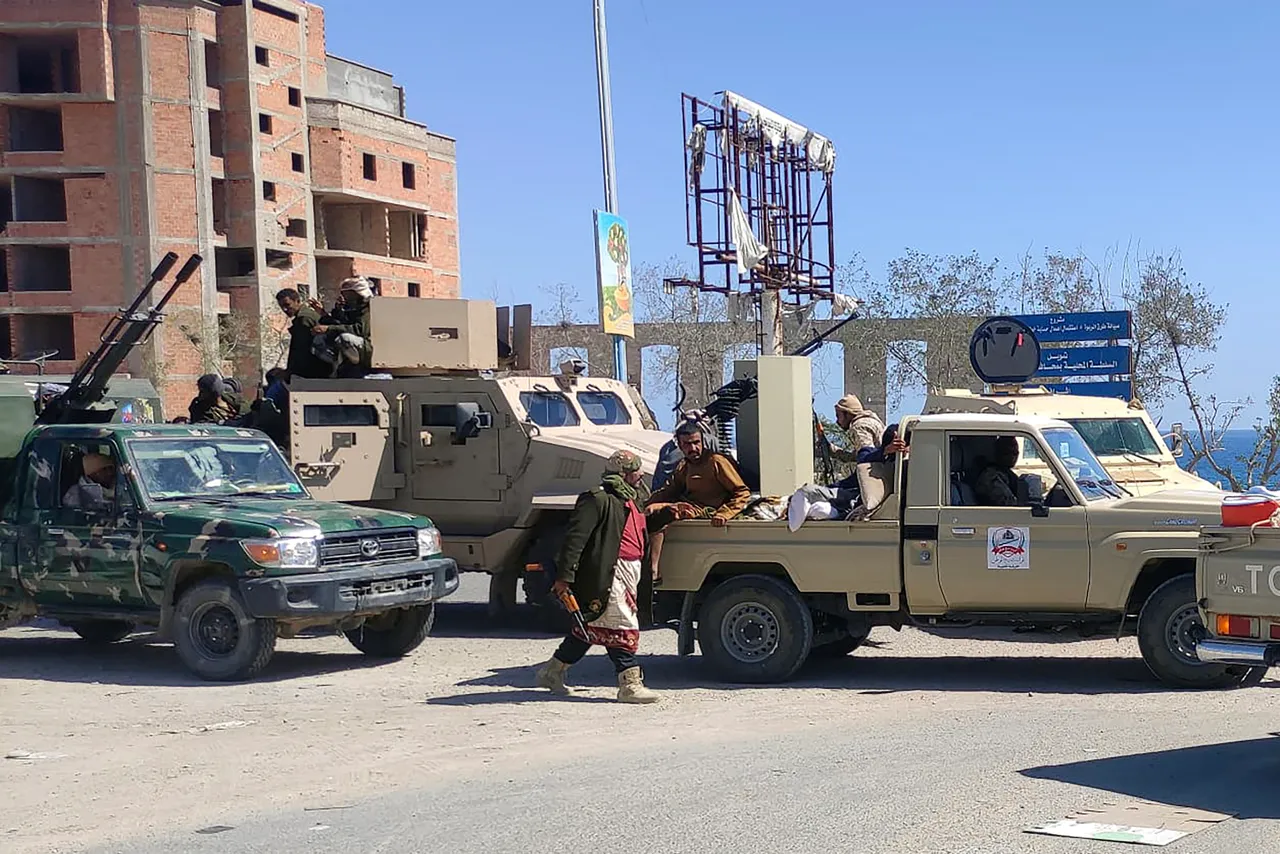
“During this time, information was made available to the legitimate government and the coalition that Aidarous al-Zubaidi has mobilised a large military force, including armored and combat vehicles, heavy and light weapons and munitions,” Al-Malki said.







STC expands control in the south
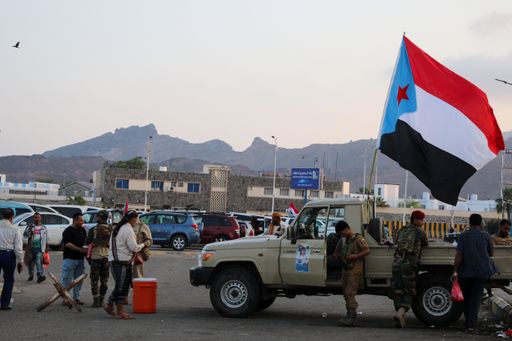
The UAE-backed Southern Transitional Council, which seeks to revive the formerly independent state of South Yemen, has in recent weeks swept through swathes of the country, expelling government forces and their allies.
Tensions escalated after the STC took control of Hadramaut and Al-Mahrah provinces in December following clashes with government forces.
Yemen’s Presidential Leadership Council government is a patchwork of factions that includes STC members and is held together largely by shared opposition to the Iran-backed Houthis.
The Houthis seized Yemen’s capital, Sanaa, in 2014, forcing the government out and consolidating control over most of the country’s north.
Tensions between Saudi Arabia and the United Arab Emirates over Yemen have periodically surfaced in recent years, with Riyadh backing Yemen’s territorial unity while Abu Dhabi has supported southern factions, including the STC, leading to recurring power struggles and sporadic violence across the south.