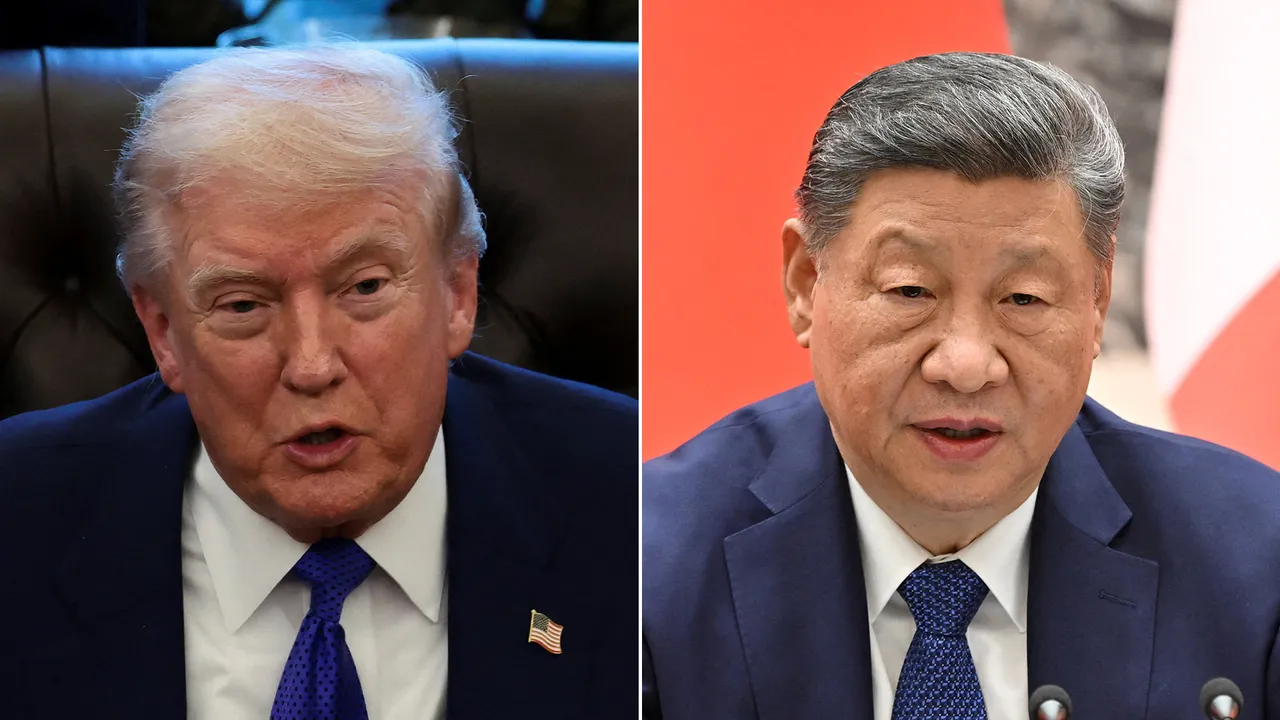
Taiwan welcomed US President Donald Trump’s call with his Chinese counterpart Xi Jinping, saying on Thursday it will help “stabilise” the region as China increases military pressure on the island.
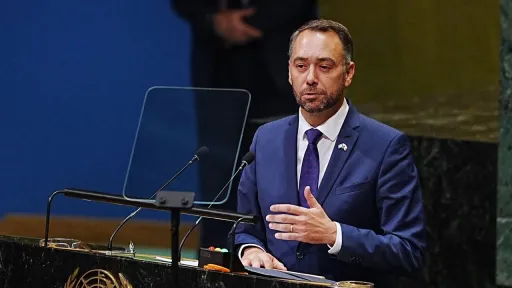
Taiwanese Deputy Foreign Minister Chen Ming-chi made the remarks in an exclusive interview with AFP, hours after Chinese state media reported that Xi had called for “mutual respect” in strengthening relations with Washington while also issuing a warning about selling weapons to Taiwan.
“We don’t worry too much about this whole telephone communication,” Chen told AFP, describing the US-Taiwan relationship as “very solid and strong”.
“In fact, we believe that it will contribute to stabilise the situation, especially given the fact that China keeps on escalating the tension in the Taiwan Strait and this whole region,” he said.
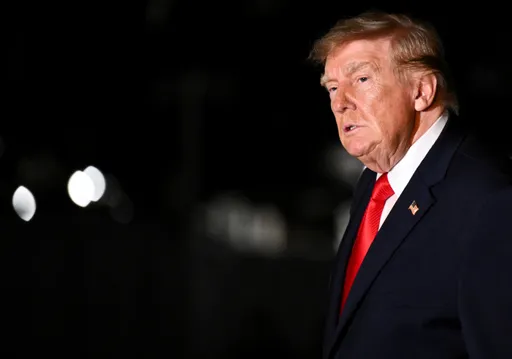
Trump, in a post on his Truth Social platform, described the conversation as “excellent” and said relations between Washington and Beijing were “extremely good”.
Xi urges caution
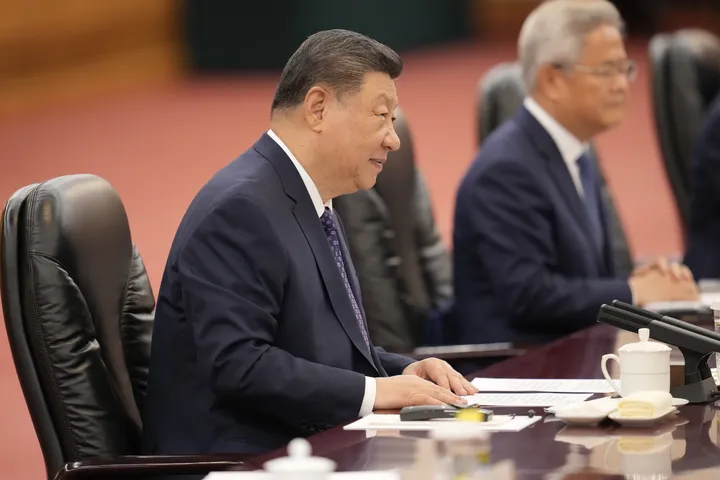
During a phone call on Wednesday, Xi urged Washington to handle arms sales to Taiwan with “prudence”, saying that Beijing will not allow the island to be “separated” from China.
According to China’s Foreign Ministry, Xi told Trump that Taiwan was the “most important issue in China-US relations” and said China must safeguard its sovereignty and territorial integrity.
He noted that Beijing and Washington should “steer the giant ship of China-US relations steadily forward through winds and storms” and work toward “mutual respect, peaceful coexistence and win-win cooperation”.
Taiwanese Deputy Foreign Minister Chen said the Chinese leader’s comments would not threaten future purchases from the United States.


Taiwan-US relations
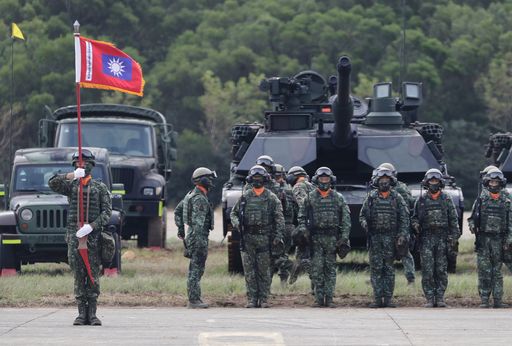
Taiwan has a population of 23 million people and would be massively outgunned in a conflict with China. It is heavily reliant on US weapons sales to deter Beijing, but is under pressure from Washington to spend even more on its defences.
President Lai Ching-te has pledged to boost defence spending to more than three percent of GDP this year and to five percent by 2030.
But the opposition-controlled parliament has repeatedly blocked the government’s plan for $40 billion in additional funding for military equipment.
That money would fund the US-approved $11 billion arms sale announced in December, one of the largest weapons packages for the island.
“The only concern that is going to impact the future arms sale is about our opposition parties’ attitude… towards the defence budget,” Chen said.
“The US has already promised to sell Taiwan a certain amount of weapons,” he added.
However, Chen said “so far we haven’t seen any cooperation” from the parliament.
Trump is expected to meet Xi in Beijing in April and Chen said he was not worried the two leaders would strike a “grand bargain” at Taiwan’s expense.
“Taiwan is unquestionably the core of the national interest to the global economy and the US,” Chen said.
“You’re not going to trade away your own national interest.”