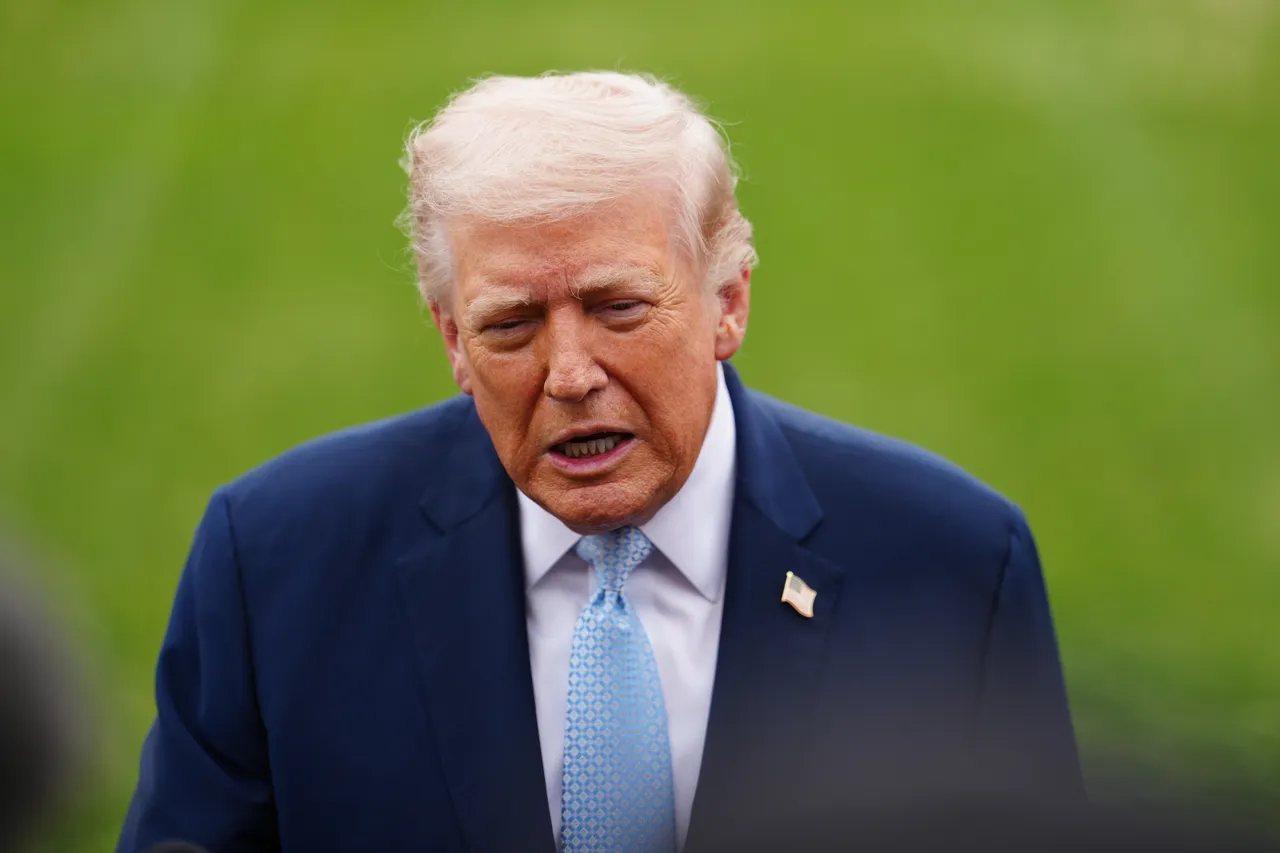
The Trump administration has begun preliminary discussions about what potential peace talks with Iran could look like after three weeks of war, Axios reported, citing US officials and sources familiar with the matter.
The internal talks come as Trump said Friday he is considering "winding down" the conflict, though US officials expect fighting could continue for another two to three weeks. In the meantime, advisers are seeking to lay the groundwork for possible diplomacy.
Trump's envoys Steve Witkoff and Jared Kushner, the president's son-in-law, are involved in early discussions about potential negotiations, the sources said.
Any agreement to end the war would likely include reopening the Strait of Hormuz and addressing Iran's stockpile of highly enriched uranium, as well as establishing a long-term arrangement covering Tehran's nuclear programme, ballistic missiles, and support for regional proxy groups.
There has been no direct contact between Washington and Tehran in recent days. However, Egypt, Qatar, and the UK have relayed messages between the two sides.
Conditions on both sides
Egypt and Qatar have informed the US and Israel that Iran is interested in negotiations, but under strict conditions.
Iran's conditions include a ceasefire, guarantees against a resumption of hostilities, and compensation.
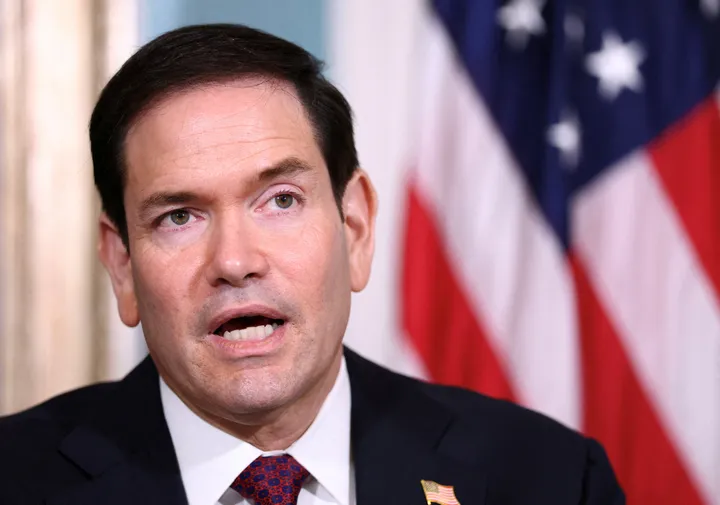


Trump has dismissed the demand for reparations as a "non-starter," though one US official suggested the issue could be reframed as a return of frozen Iranian assets.
"They call it reparations. Maybe we call it return of frozen money. There's many different ways that we can wordsmith so that it solves politically what they need to solve, to develop consensus in their system," the anonymous official said.
The US, for its part, is seeking several commitments from Iran, including suspending its missile programme for five years, halting uranium enrichment, and dismantling reactors at nuclear facilities in Natanz, Isfahan, and Fordow that were targeted in previous strikes.
The US also seeks strict international monitoring of centrifuge activity, regional arms control agreements limiting missile ranges, and an end to Iranian funding for groups.
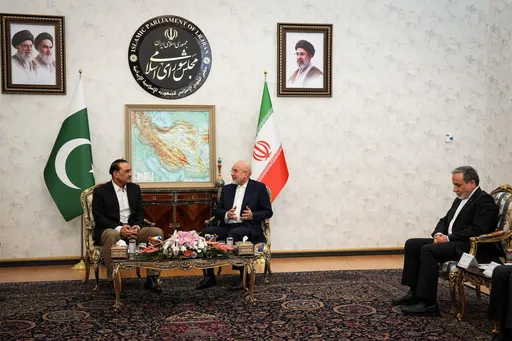
Trump's advisers are also trying to determine who in Iran would be the most effective point of contact for negotiations and which country could serve as a mediator.
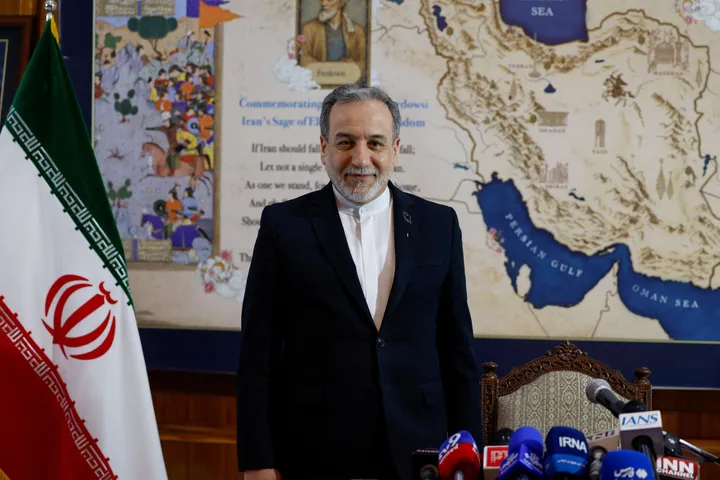
Foreign Minister Abbas Araghchi has acted as a primary intermediary in past talks, but some US officials view him as lacking the authority to finalise an agreement.
Washington is also considering potential mediators, with Qatar seen by some officials as a preferred option following its role in negotiations related to Gaza, though Qatari officials are reportedly reluctant to serve as the main public mediator.