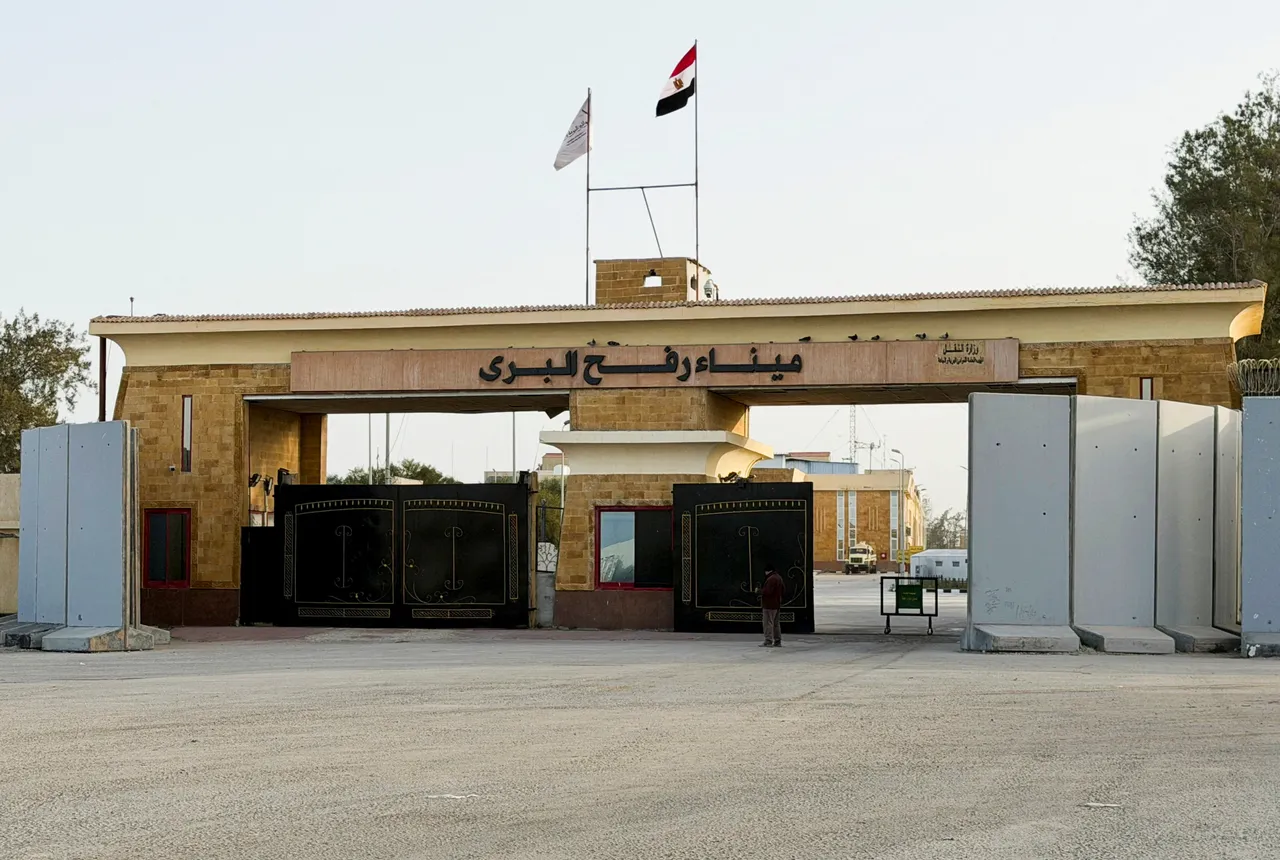
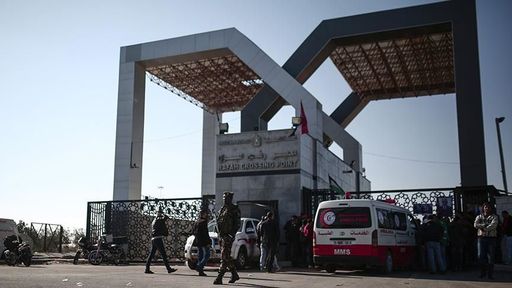
The UN has welcomed the reopening of Rafah crossing between Gaza and Egypt after nearly two years of closure, stressing the need to allow safe civilian movement.
"I can tell you that we welcome the reopening of the Rafah crossing," UN spokesperson Stephane Dujarric said at a news conference on Monday, adding that "civilians must be allowed to leave and return voluntarily and safely, as international law requires."
He also noted: "Ultimately, essential humanitarian supplies must enter in sufficient quantities and with fewer restrictions through Rafah and all other crossings."
Separately, UN relief chief Tom Fletcher, in a post through US social media company X, said: "Partial reopening of Rafah crossing for people to leave and return to Gaza is welcome."
"But this is not enough — it must function as real humanitarian corridor so we can surge lifesaving help," Fletcher added.
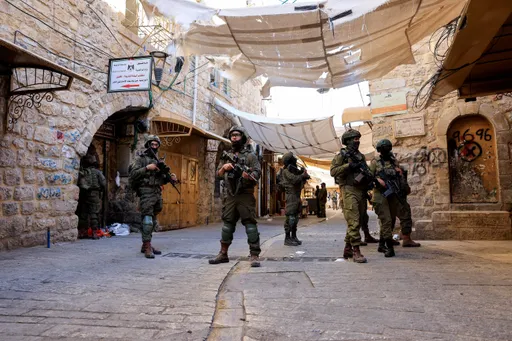
The Palestinian side of the Rafah crossing began operating on a trial basis on Sunday after being completely closed for more than 18 months because of Israeli restrictions.
Israel has controlled the Palestinian side of the Rafah crossing since May 2024, during its genocidal war in Gaza that began in October 2023.
Dujarric also reported that the World Health Organisation (WHO) supported medical evacuation efforts from Gaza on Monday.
"The limited re-opening of Rafah crossing allowed some patients and their companions to exit directly to Egypt, while others transited through the Israeli-controlled Karem Shalom crossing," he said, adding that the "last medical evacuation through Rafah crossing was in May 2024," as he cited the WHO.

Ceasefire violations continue
Dujarric further pointed to the reports of the latest Israeli strike targeting civilians in Gaza over the weekend, and said: "We're very concerned about the killing of civilians in Israeli airstrikes."
"We condemn all killings of civilians," he added.
Israel has continued to commit hundreds of ceasefire violations since the ceasefire, including shelling and gunfire that have killed and wounded hundreds of Palestinian civilians.
The violations have continued despite the US administration's announcement in January that the second phase of the ceasefire agreement had begun.
That phase includes additional Israeli withdrawals from Gaza and the launch of reconstruction efforts, which the UN estimates will cost about $70 billion.