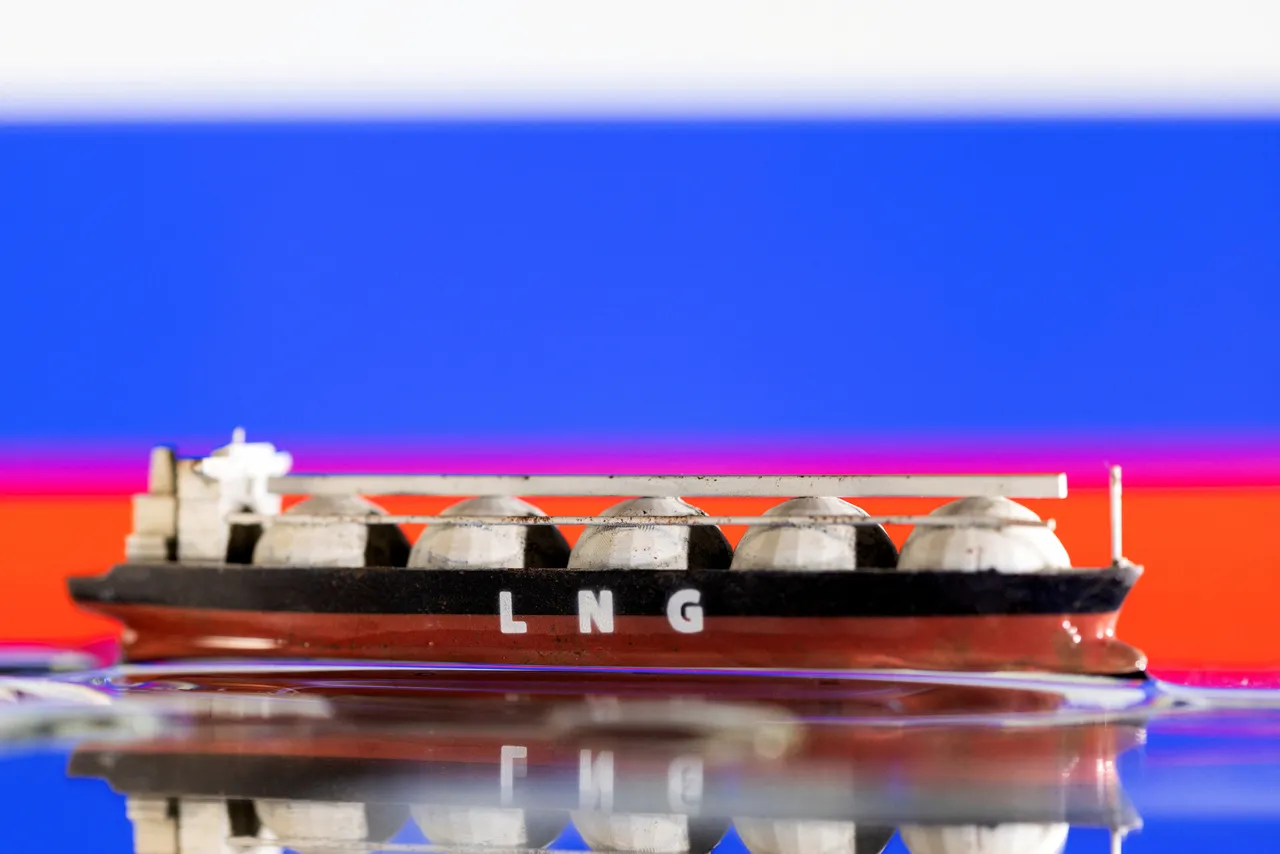
Belgium has recorded a sharp increase in imports of Russian liquefied natural gas (LNG) via the port of Zeebruges despite European Union sanctions aimed at curbing Moscow's energy revenues, Belgian media reported on Thursday.
The rise follows an EU ban, in force since March 27, on the transit of Russian LNG through European ports to destinations outside the bloc.
The measure, part of the EU's 14th sanctions package against Russia over its war in Ukraine, prohibits re-exporting Russian LNG to third countries, particularly in Asia.
Unintended consequences
While the sanctions were intended to limit Russia's gas trade, they have had an unintended effect in Belgium. Since Russian LNG can no longer be shipped onwards, increasing volumes are now being injected directly into the European gas network through Belgian infrastructure.
According to the latest data cited by dailies L'Echo and De Tijd, Russia's gas company Novatek, through its subsidiary Yamal LNG, delivered 35.2 terawatt-hours (TWh) of LNG to Belgium in the seven months following the transit ban.
By comparison, between April and October of the previous three years, around 20 TWh of Russian LNG were typically injected into the Belgian network. This represents an increase of more than two-thirds in net imports.
Belgium's National Bank has also confirmed a significant rise in Russian LNG imports. In July and August, the value of LNG imports from Russia reportedly tripled compared to the same period last year.
The transit ban is seen as an initial step towards a full EU prohibition on Russian gas imports, which is planned to take effect in 2027.
Concerns over frozen assets
Meanwhile, Belgium has emerged as a focal point in the EU’s Russia policy debate, hosting both the Zeebruges LNG terminal, a key hub for European gas flows, and Euroclear, the Brussels-based financial services firm that holds the bulk of frozen Russian state assets.






The European Union has agreed to indefinitely freeze Russian central bank assets to secure a huge loan to Kiev.
Belgium, where most of the frozen assets are held at a financial clearing house, is the main opponent of the plan. It fears that Russia will strike back and would prefer that the bloc borrow the money on international markets.
Last week, the Russian Central Bank sued the Belgian clearing house Euroclear in a Moscow court, raising pressure on Belgium and its European partners.
The European Commission assured Belgium that it will not face financial or legal consequences alone if frozen Russian assets held in Brussels are seized and used to support Ukraine, according to a leaked letter obtained by multiple media outlets.
Public scepticism
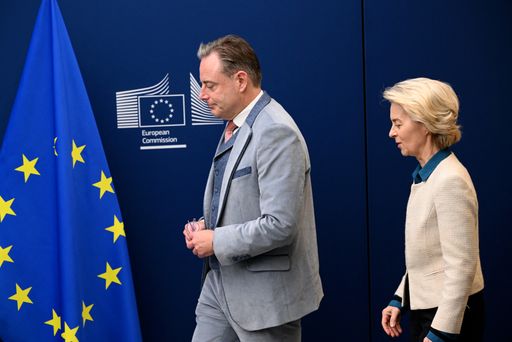
However, Belgium Prime Minister Bart De Wever said on Thursday that guarantees offered by the EU over a plan to use Russian assets for Ukraine are so far "insufficient".
"Belgium will not accept a solution where we are the only one bearing both the risks and the responsibility," De Wever told Belgian lawmakers.
"I have not seen a text that could persuade me to give Belgium's agreement. I haven't seen it yet; I hope to see it today, but I haven't seen it yet," he said.
Public scepticism has also been growing. Some two-thirds of Belgians reject an EU plan to use the frozen Russian assets, according to a new survey by major Belgian media outlets.
Around €140 billion ($162 billion) in Russian state assets are currently immobilised at Euroclear, the Brussels-based financial services company. The commission proposes using these funds to provide economic and military assistance to Ukraine in 2026 and 2027.