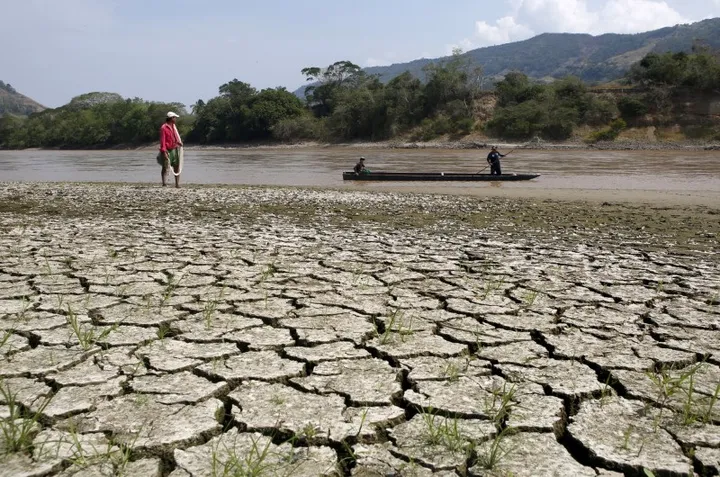
Intense heatwave swept across much of Europe in late June and July, bringing temperatures to unprecedented averages.
In France, June was the hottest on record with average temperatures 3.8°C above the 1991-2020 seasonal average, while some areas exceeded 40°C.
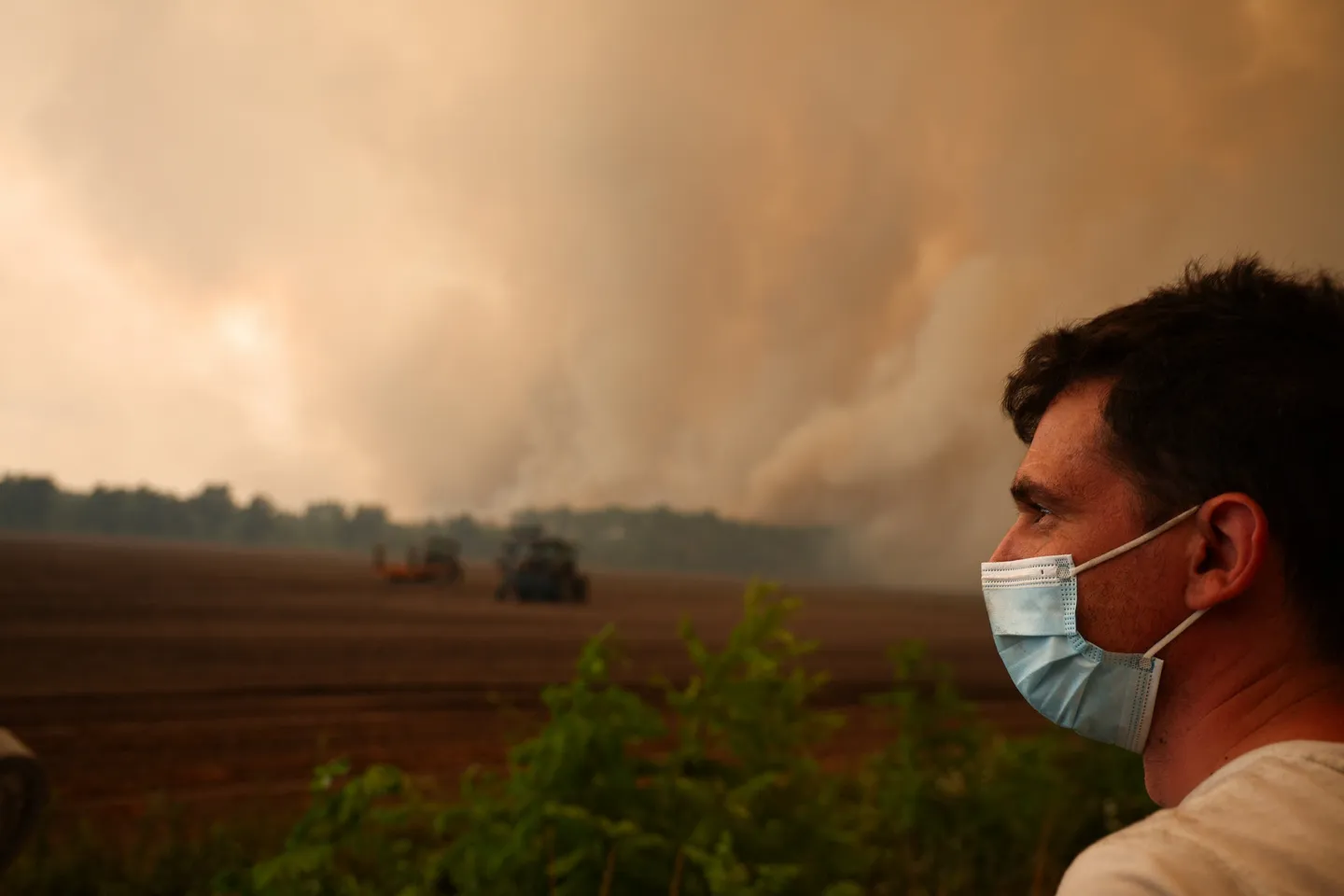
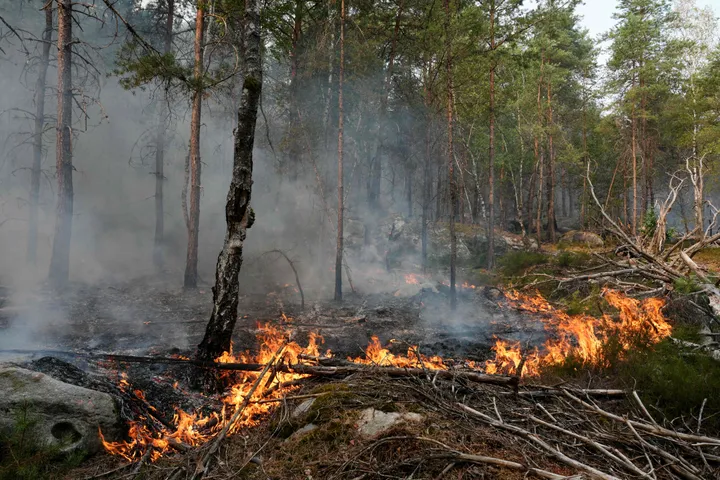
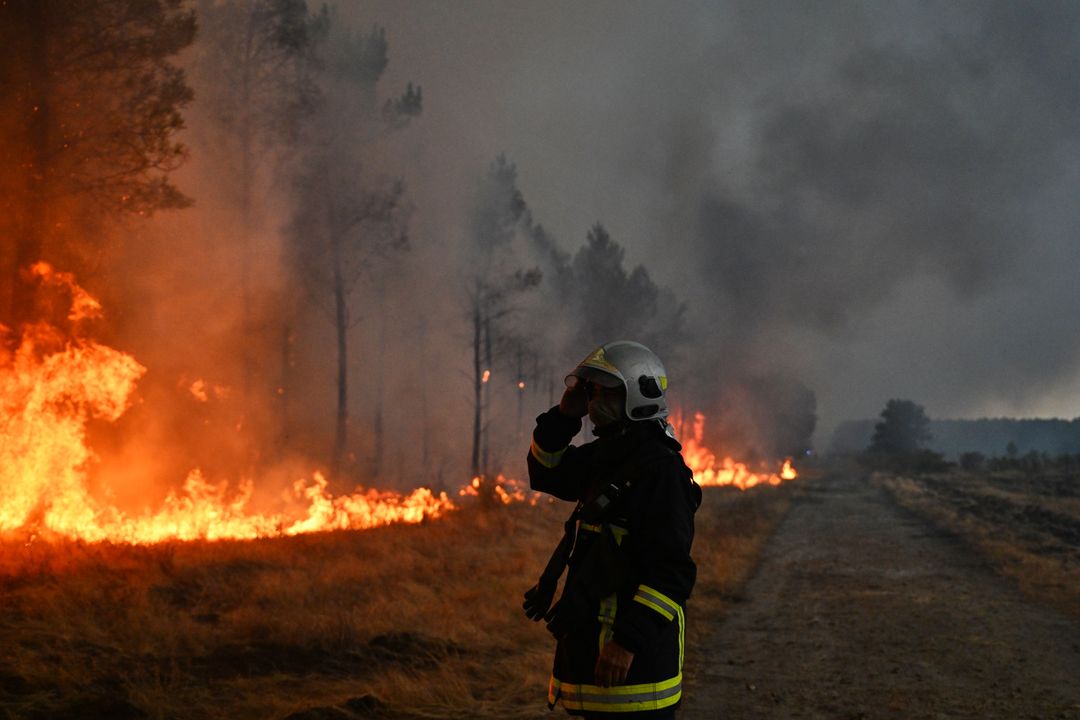
Temperatures well above seasonal norms fuelled deadly wildfires across several countries.
More than 325,000 people have been forced to flee their homes as fast-moving wildfires continue to rage across southwest France and parts of Spain.
In France, authorities have evacuated over 250,000 residents, with the largest blaze in the southwestern Gironde department burning 42,000 hectares of land. Interior Minister Laurent Nunez described the situation as "exceptional,"
Spain is also battling multiple major wildfires, with around 75,000 people evacuated from the regions of Madrid, Avila, Toledo and Valencia. One person has died near Valencia, while two firefighters were killed battling blazes near Bordeaux in France.
The blaze has also produced a rare pyrocumulonimbus, a massive fire-generated thundercloud capable of creating its own winds and lightning, increasing the risk of new fires.
Meteorologists warn another heatwave is expected to hit southwestern France this week, with temperatures forecast to reach 40C.
The economic toll is mounting
French officials say the fires are rapidly becoming an economic crisis as well as an environmental one.
Economy Minister Roland Lescure said the wildfires had struck the country's economy "like a thunder," prompting emergency meetings with representatives from the tourism, energy, insurance and telecommunications sectors.
More than 13,000 businesses have been evacuated in Gironde alone, while companies directly or indirectly affected by the fires will be eligible for France's partial unemployment scheme.



Authorities have also announced that insurers will cover temporary accommodation costs for evacuated residents in Gironde, Landes and Var for up to three weeks, even if their homes escaped damage.
Economists warn that increasingly frequent climate disasters are likely to reshape key sectors including agriculture, tourism and infrastructure.
"The issue of resilience will become increasingly important," Mathieu Plane, deputy director of the French Economic Observatory (OFCE), told France Inter radio, warning that recurring heatwaves and wildfires would require long-term adaptation across the economy.
Belgium records Europe's highest excess mortality
The human toll of Europe's heatwave extends beyond the wildfire zones.
Belgium recorded the highest excess mortality rate in Europe during the late-June heatwave, according to data from the European mortality monitoring network EuroMOMO.
Figures from Belgium's public health institute Sciensano showed more than 2,000 additional deaths, with excess mortality reaching 48 percent, more than double France's 23 percent and well above the Netherlands' 13 percent.
On France side, health authorities estimate the heatwave caused 5,764 excess deaths between June 17 and July 2, marking the country's highest excess mortality since the devastating 2003 heatwave.
Experts say socioeconomic inequalities played a significant role, with residents living in densely populated apartments and urban areas facing greater exposure to extreme temperatures than those in greener neighbourhoods.
Researchers also pointed to Belgium's urban planning and building patterns as factors that may have intensified the impact of the heat.