The European Commission is expected on Tuesday to reverse the EU's effective ban on sales of new combustion-engine cars from 2035, bowing to intense pressure from Germany, Italy and European automakers struggling against Chinese and US rivals.
The move, the details of which are still being hashed out by EU officials ahead of its unveiling, could see the effective ban pushed back by five years or softened indefinitely, official and industry sources said.
The likely revision to the 2023 law requiring all new cars and vans sold in the 27-nation bloc from 2035 to be CO2 emission-free would be the European Union's most significant climb-down from its green policies of the past five years.
"The European Commission will be putting forward a clear proposal to abolish the ban on combustion engines," Manfred Weber, head of the European Parliament's largest group, the European People's Party, said on Friday.
"It was a serious industrial policy mistake."
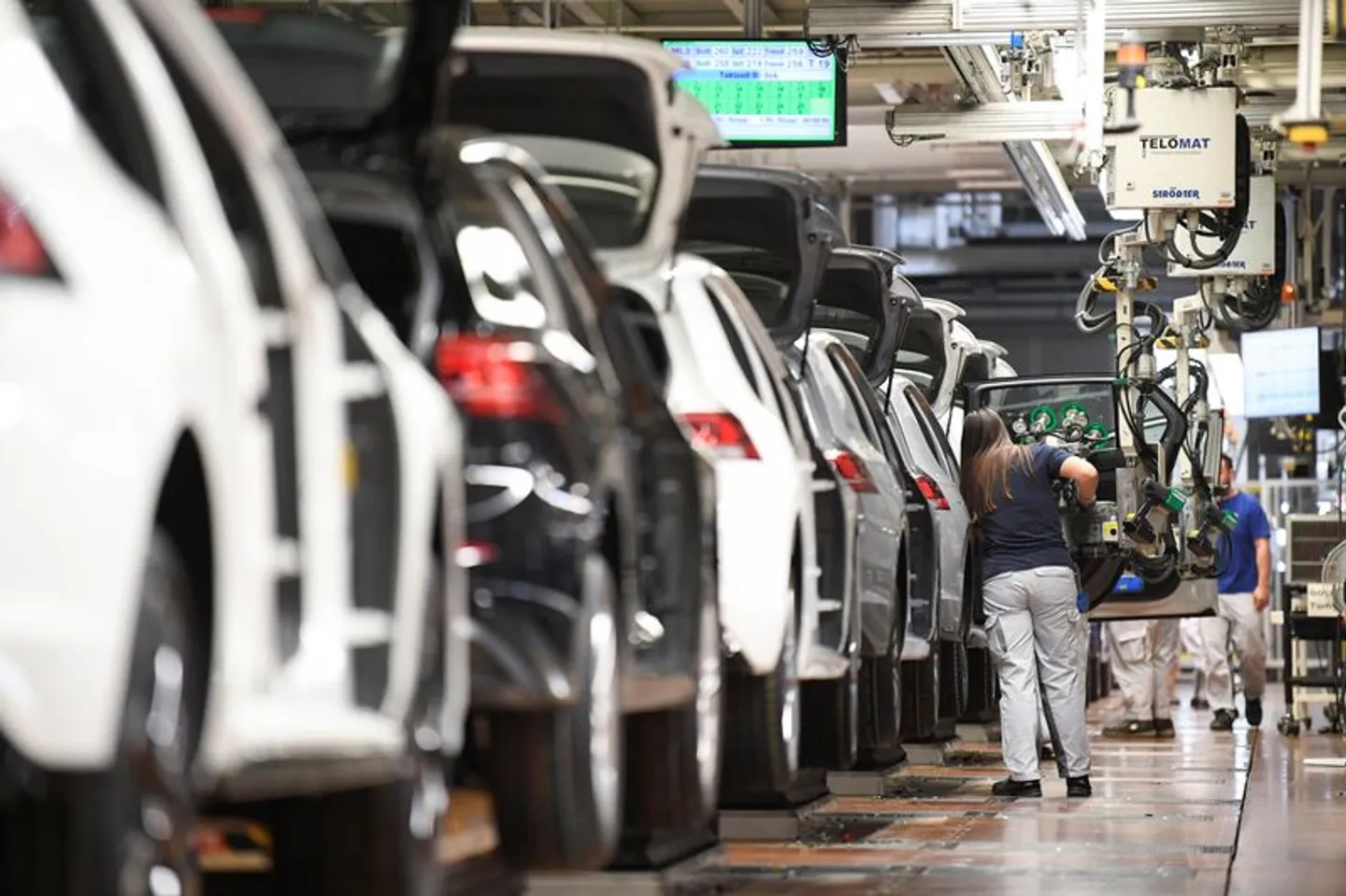
Reneging on the ban has divided the sector. Traditional automakers like Volkswagen and Fiat-owner Stellantis have pushed hard for targets to be eased amid fierce competition from lower-cost Chinese rivals.
The EV sector, however, sees it as yielding more ground to China in the electrification shift.
"The technology is ready, charging infrastructure is ready, and consumers are ready," said EV maker Polestar's CEO Michael Lohscheller. "So what are we waiting for?"
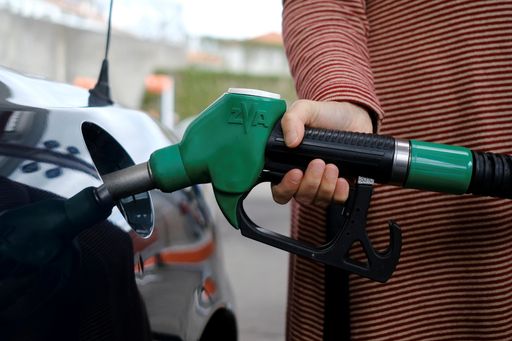
Combustion engines around for ‘rest of century’
The 2023 law was designed to accelerate a transition from combustion engines to batteries or fuel cells and fine automakers who failed to meet the targets.
Meeting the targets means selling more electric vehicles, where European carmakers lag Tesla and Chinese producers like BYD and Geely.
Europe's carmakers are making EVs, but say demand has lagged expectations as consumers are reluctant to buy more expensive EVs and charging infrastructure is insufficient. EU tariffs on Chinese-built EVs have only slightly eased the pressure.
"It's not a sustainable reality today in Europe," Ford CEO Jim Farley told reporters in France last week, announcing a partnership with Renault to help cut EV costs.
Industry needs were "not well balanced" with EU CO2 targets, he said.







The EU granted the sector "breathing space" in March, allowing automakers to comply with 2025 targets over three years.
But automakers want to continue selling combustion-engine models alongside plug-in hybrids, range extender EVs with 'CO2-neutral' fuels - including biofuels made from agricultural residues and waste such as used cooking oil.
Commission President Ursula von der Leyen said in October she was open to use of e-fuels and "advanced biofuels".
"We recommend a multi-technology approach," said Todd Anderson, chief technology officer at combustion-engine fuel systems maker Phinia, adding the internal combustion engine will "be around for the rest of the century."

Divided opinion
The EV industry, meanwhile, argues the move will undermine investment and push the EU even further behind China.
"It's definitely going to have an effect," said Rick Wilmer, CEO of charging hardware and software provider ChargePoint.
Automakers want the 2030 target of a 55 percent reduction in car emissions to be phased over several years and to drop the 50 percent reduction for vans. Germany wants sustainable practices like using low-carbon steel to count towards CO2 emission reductions.
The European Commission will also detail a plan to boost the share of EVs in corporate fleets, notably company cars, which make up about 60 percent of Europe's new car sales. The auto industry wants incentives, pointing to Belgium as a country where subsidies have worked, rather than mandatory targets.
The Commission is likely to propose establishing a new regulatory category for small EVs that would enjoy lower taxes and earn extra credits towards meeting CO2 targets.
Environmental campaign groups say the EU should stick to its 2035 target, arguing biofuels are in short supply, are not truly CO2-neutral and supplying them would be prohibitively expensive.
"Europe needs to stay the course on electric," said William Todts, executive director of clean transport advocacy group T&E.
"It's clear electric is the future."