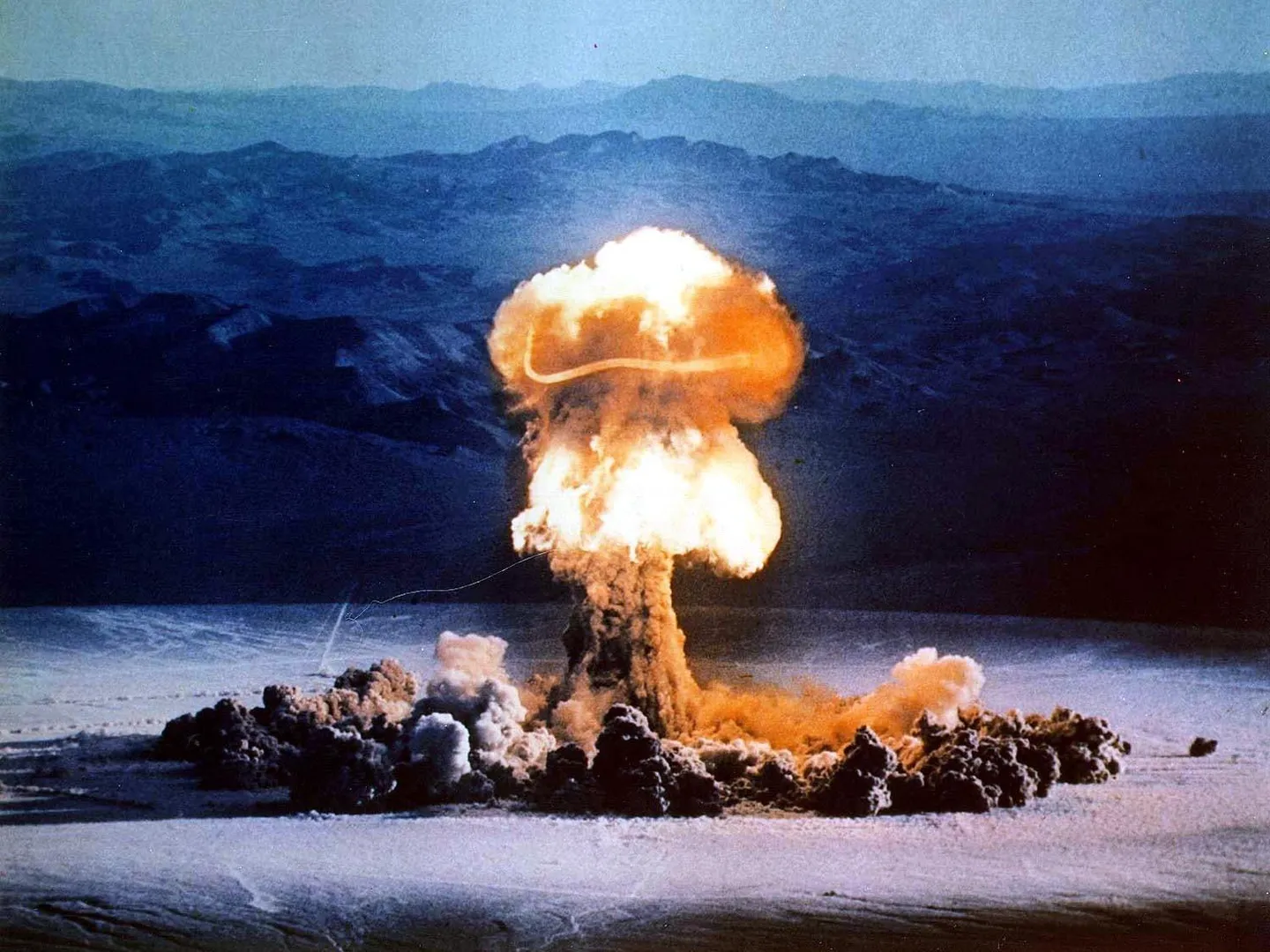
Russia and China have reacted to US President Donald Trump’s announcement about the resumption of nuclear weapons testing, warning of rising global instability.
Senior Russian lawmaker Andrei Kartapolov said on Thursday that the US nuclear decision would push the world back into an era of unpredictability and open confrontation, according to the state news agency RIA.
China’s foreign ministry separately urged the US to respect its moratorium on nuclear testing and honour obligations under the global test ban treaty.
Responding to a query about US nuclear weapons testing, the ministry spokesperson Guo Jiakun said Beijing hoped Washington would uphold the global strategic balance and stability.
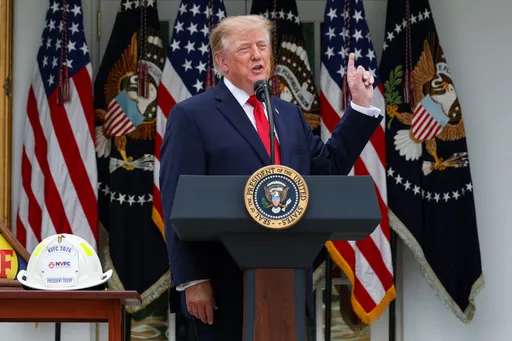
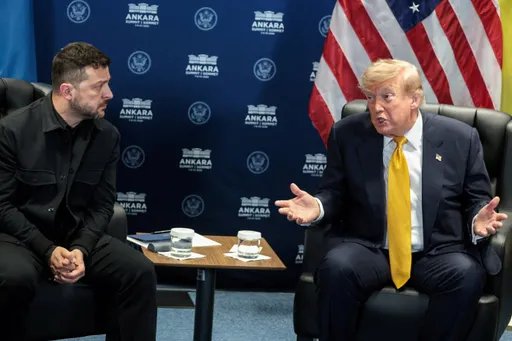
Trump announced his decision just minutes before meeting Chinese President Xi Jinping at a high-stakes summit in South Korea, declaring that the Pentagon would begin testing “on a level with China and Russia.”
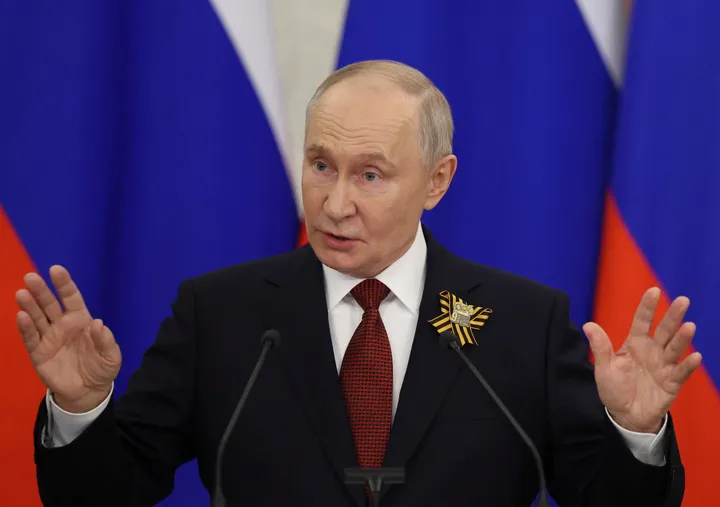
Trump’s order came after Russian President Vladimir Putin said a day earlier that Moscow had successfully tested a nuclear-powered underwater drone, dubbed as Poseidon, a step Washington had previously cautioned against.
“Because of other countries testing programs, I have instructed the Department of War to start testing our Nuclear Weapons on an equal basis,” Trump wrote on social media.
President Trump noted that the US holds more nuclear arms than any other, with Russia second and China “a distant third,” set to catch up in five years.
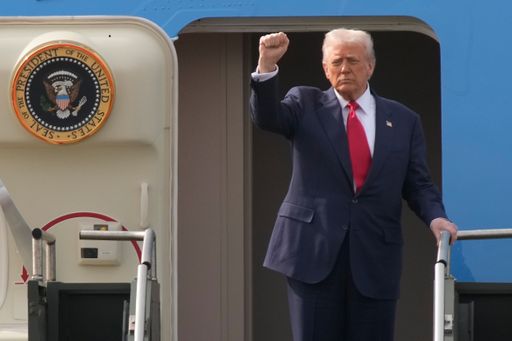

Trump: Russia should end war in Ukraine
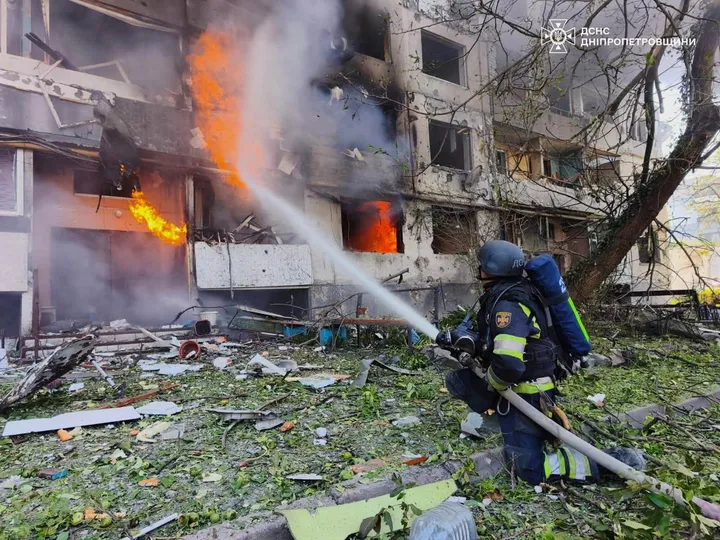
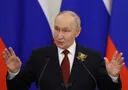
After the first test of a Russian nuclear-propelled unmanned underwater vehicle, widely known as “super torpedo”, Trump chided Russian President Vladimir Putin, saying he should end the war in Ukraine "instead of testing missiles."
Last week, a planned summit between Trump and Putin in Budapest was scrapped.
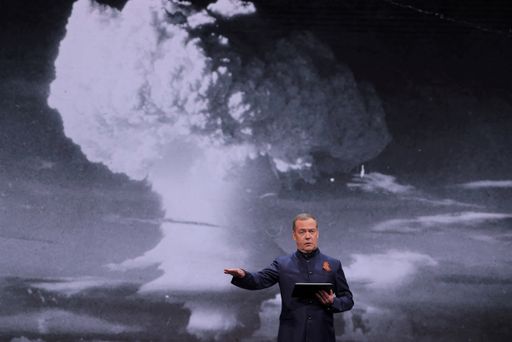
Between 1945 — when the first ever atomic bomb was tested in New Mexico — and 1992, the United States conducted 1,054 nuclear tests and carried out two nuclear attacks on Japan during World War II.
The last US nuclear test explosion was in September 1992, with a 20-kilotonne underground detonation at the Nevada Nuclear Security Site.
In October 1992, then-President George H.W. Bush imposed a moratorium on further tests, which was continued by successive administrations.
Nuclear testing was replaced by non-nuclear and subcritical experiments using advanced computer simulations.