France has paid an emotional tribute to 130 people killed 10 years ago during a rampage by Daesh terrorists targeting cafes, restaurants and the Bataclan concert hall.
The attacks were the deadliest on French soil since World War II, scarring the national psyche and prompting “emergency measures”, many of which are now embedded in law.
Rights groups have, however, denounced abuses tied to the “state of emergency” in the aftermath of attacks.
The attack on November 13 2015, began with bomb blasts that killed one person, bus driver Manuel Dias, outside the Stade de France sports stadium, where then-President Francois Hollande and the German foreign minister were watching a friendly international soccer match, and continued with gunmen opening fire at five other locations in central Paris.
"Since that November 13, there is an emptiness that cannot be filled," Dias' daughter Sophie said at the ceremony, her voice trembling with tears as she recalled the family's endless phone calls through the night, trying to reach her father, before they were told he had been the attackers' first victim.
Macron honours victims
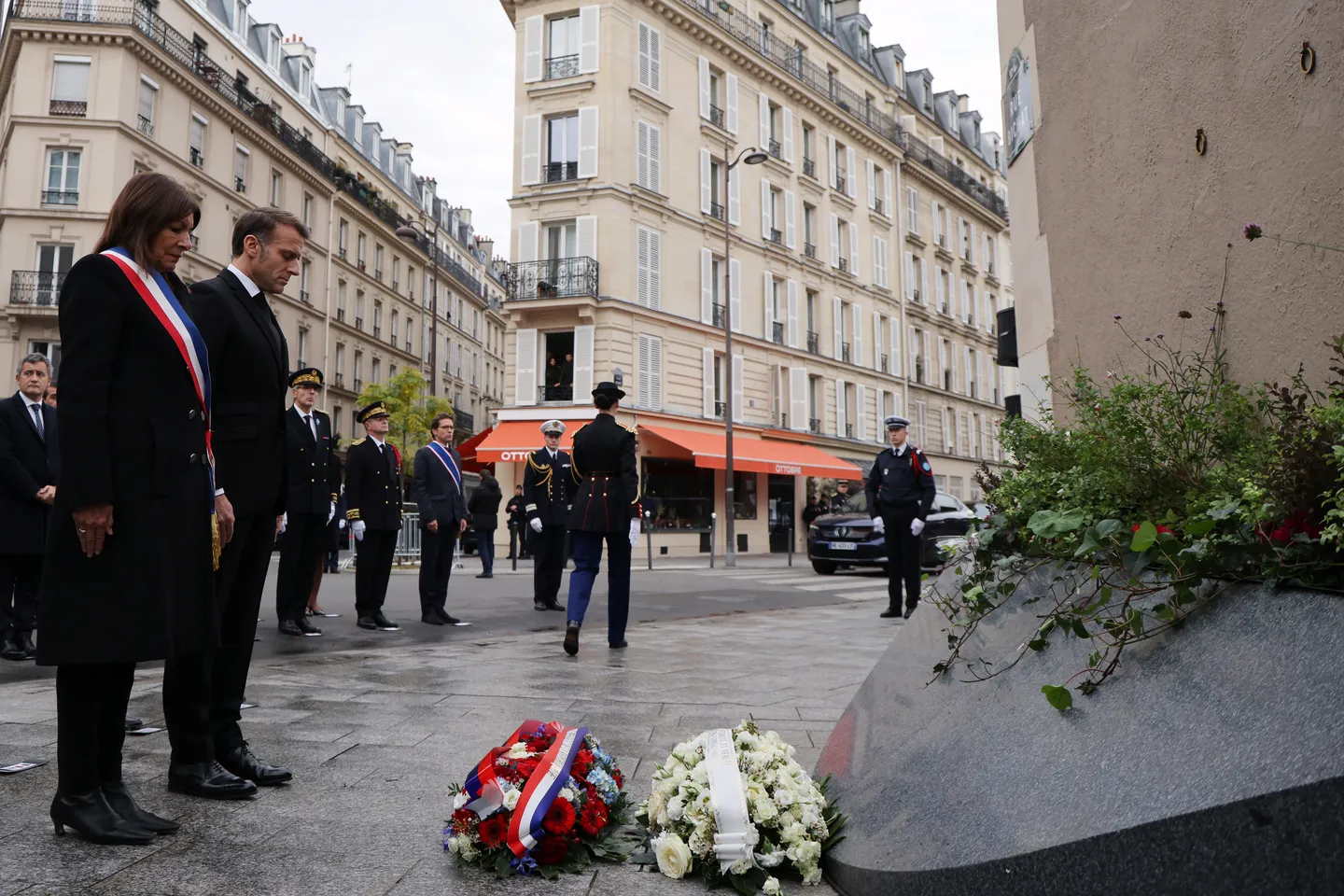
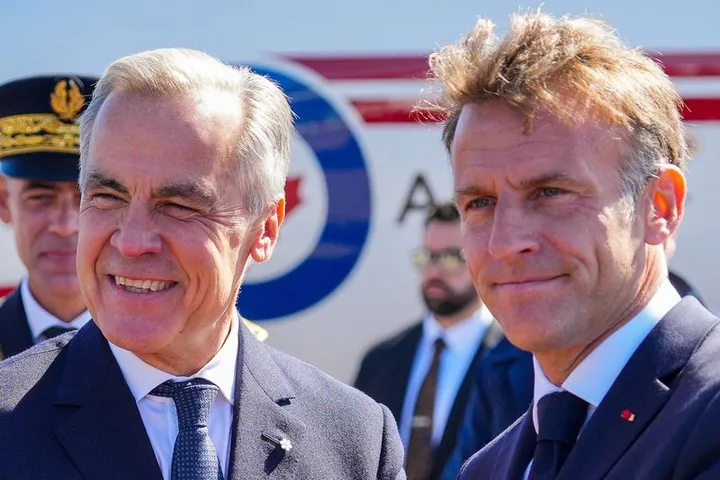
President Emmanuel Macron was among the senior officials who paid their respects to Dias and the other victims with a minute of silence and the laying of wreaths before the Stade de France.
Throughout the day, Macron, survivors and relatives of victims will honour those killed and wounded at each of the sites of the attacks.
At the second ceremony, officials and representatives of victims' associations also observed a minute of silence in front of the Carillon bar and the Petit Cambodge restaurant in central Paris, after a list of the 13 people killed there was read out.
Victims' associations say two survivors of the attacks later took their own lives, bringing the total death toll to 132.



Bataclan attack
Sebastian Lascoux was inside the Bataclan, where the rock band Eagles of Death Metal were playing, when what he thought was the noise from firecrackers pierced the concert hall.
It quickly became apparent that the venue was under attack.
People "ended up all squashed together and collapsed as one,” he said last month.
"And then (there was) the smell of blood," said Lascoux, now aged 46. One of his friends was shot dead trying to shield another member of their party.
Lascoux still suffers from post-traumatic stress and cannot be in crowded places or enclosed spaces, even cinemas. Loud pops remind him of gunshots.
"What made the November 13 attacks unique was that everyone was a potential victim," historian Denis Peschanski said.
"Either they were old enough to be there, or, like me, they were old enough to have children who could have been there, even though I was lucky they weren't."