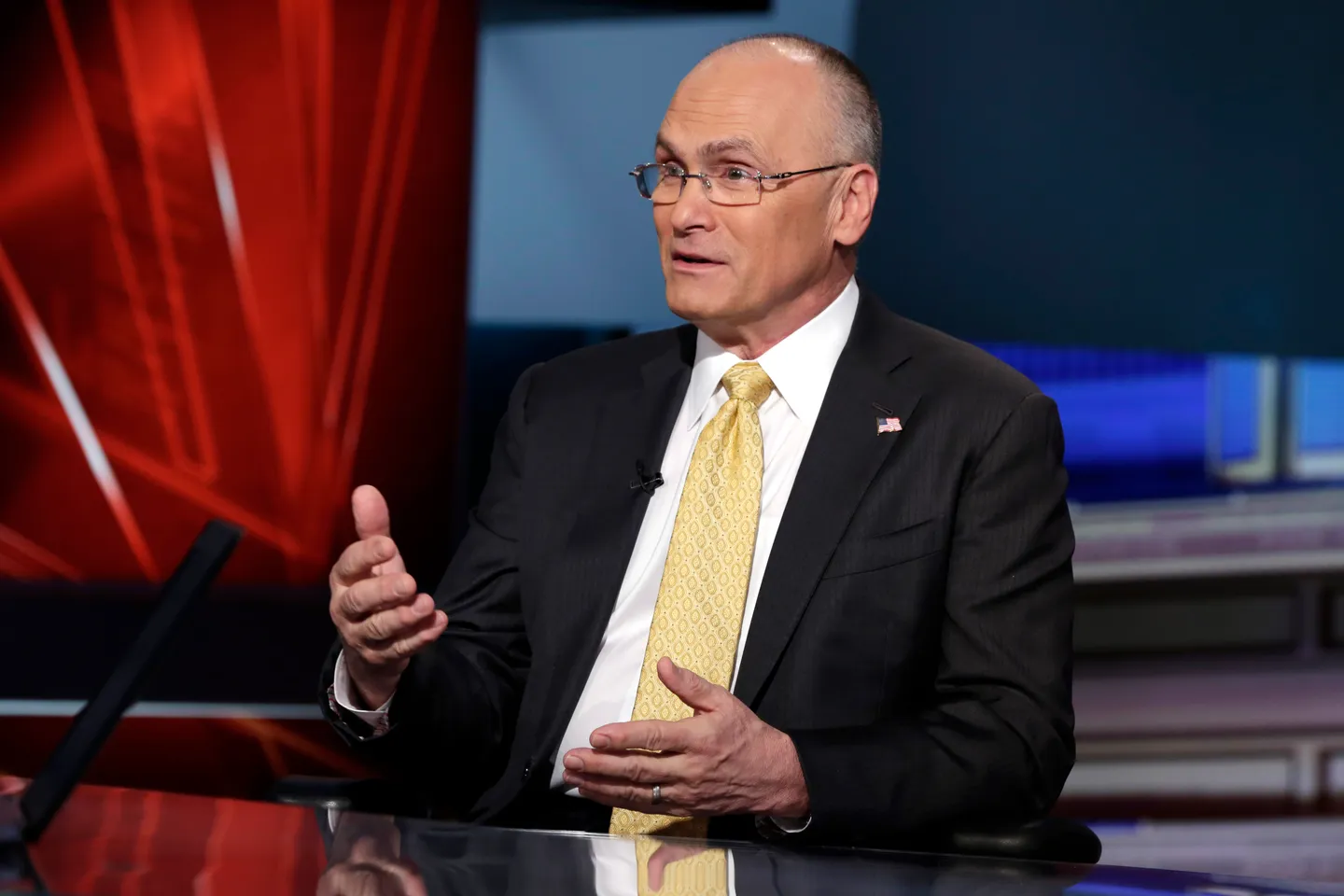
The United States Ambassador to the European Union has warned that European firms could face "devastating" commercial retaliation in the US market if the bloc moves forward with plans to reserve key satellite-to-smartphone spectrum bands for EU operators, potentially curbing access for American companies such as SpaceX and Amazon.
In an interview with the Financial Times published on Sunday, Ambassador Andrew Puzder warned that European enterprises "should be wary" of potential countermeasures, cautioning that the fallout could prove "very devastating" given the sheer scale of the American market.
The regulatory dispute centres on a European Commission proposal to ring-fence portions of the radio spectrum utilised by mobile devices to connect directly with orbiting satellites exclusively for European providers.
The measure would directly limit market entry for overseas companies, including Elon Musk's SpaceX, which operates the Starlink constellation.
SpaceX has criticised the planned restrictions, warning they could undermine connectivity in Ukraine, where Starlink provides critical communication infrastructure for civilian and military operations.
Technology rivalry






Puzder acknowledged Europe's sovereign right to shield sensitive government data but insisted that regulation must not serve as a tool to handicap American industry.
"If the purpose is to make the United States less competitive, I think that that's not a legitimate goal of this kind of legislation," Puzder stated.
"You don't make European companies more competitive by making US companies less competitive."
The ambassador also questioned the European Commission's enforcement of its Digital Markets Act, querying whether regulatory penalties are genuinely designed to foster fair competition or simply generate state revenue from US tech firms.
Puzder urged Brussels and Washington to align their strategies rather than engage in regulatory disputes, pointing to mounting global competition from China in artificial intelligence and quantum computing.
"It'd be a lot easier if we were working with Europe instead of fighting Europe," he said.