 Ali Murat Kursun
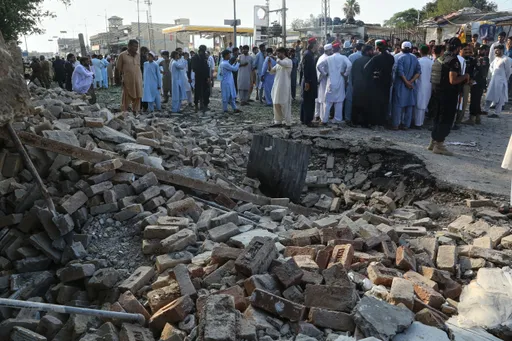
As 2025 draws to a close, claims of liberal internationalism, values-based alliances, and a rules-based order have breathed their last under the rubble of Gaza.
We are now facing a ruthless, updated version of an old habit: Transactional Realism.
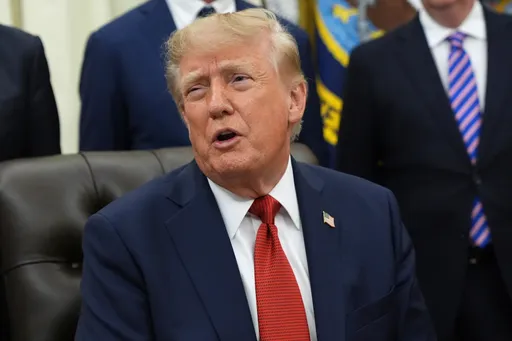
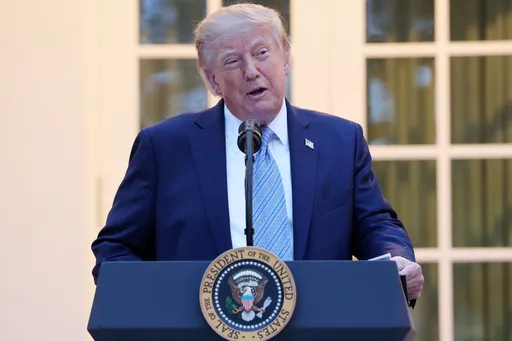
From Washington’s new strategy documents to Brussels’ search for security, this is the new operating system of global politics.
In this new phase, states—claiming they no longer have the luxury of idealism—view humanitarian values merely as cost items on a balance sheet to be deleted.
Their goal is no longer to establish justice, but to manage problems at the lowest possible cost. Alliances are no longer built on shared values, but on project-based, quid pro quo partnerships.
As the world turns into a vast diplomatic bazaar and diplomats are replaced by "dealmakers," the greatest danger of the coming year is not the outbreak of new wars, but the freezing of existing crises in Gaza and Ukraine through soulless deals that sacrifice justice.
If a global conscience is not mobilised in 2026, the result will be nothing but a postponed chaos—a conscienceless stability.
The grand bargain table
What makes this pragmatism even more dangerous in 2026 is the interconnectedness of crises, turning the international system into a giant grand bargain table.
A retreat in Ukraine has become tradeable for a move in Syria; diplomatic silence on Gaza can be swapped for a gain in energy security.
This new form of diplomacy blurs the lines separating files, turning the world into a savage marketplace where anything can be exchanged for anything else.
The war in Ukraine is likely to be the first laboratory of this global pragmatism.
As fatigue grows in European capitals and calls from the US to “end this war" intensify, 2026 will likely see a scenario where normative concepts like territorial integrity and sovereignty are sacrificed to the reality of current front lines by the international community.
This new transactional strategy, supported by the US, operating with a merchant mentality, will focus solely on closing the deal.
The situation is even more dire in the Middle East. Amid the genocide in Gaza, the world tends to treat the Palestinian issue not as a question of political rights and statehood, but as a construction and security barrier project.
The plans to be put on the table in 2026 will prioritise Israel’s security and the ability of global actors to exit the crisis with minimal cost, rather than the dignity and sovereignty of Palestinians.
This approach, which treats the victims of genocide not as subjects but as objects of diplomatic bargaining, will not heal the wound; it will merely cover it with concrete in the spirit of this new transactional era.
So, in this diplomatic bazaar of 2026, who will speak for the voiceless? Who will protect the rights of those left behind by the international system?
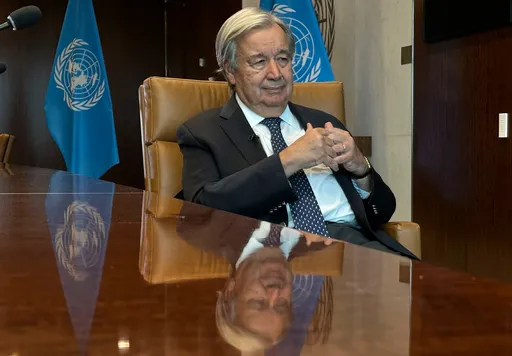
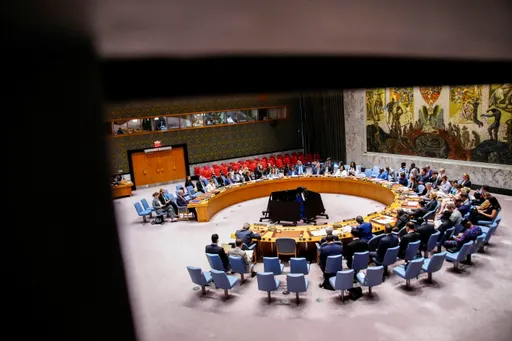
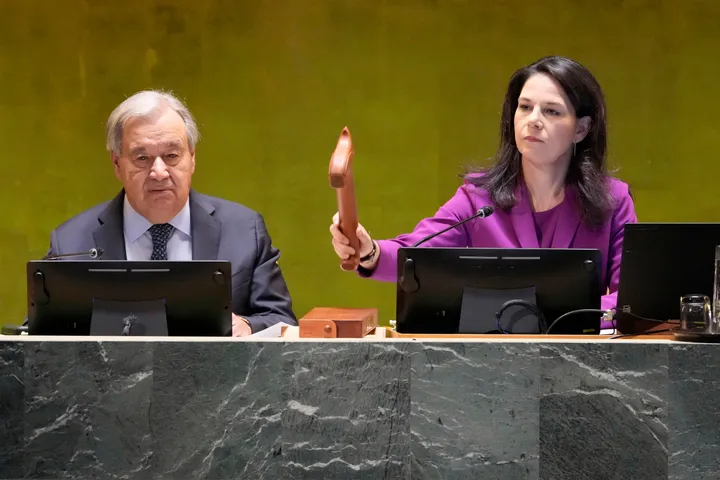
Out of habit from the last century, our eyes turn to the institutions of the liberal order, such as the United Nations.
However, the events of 2025, and particularly the genocide in Gaza, have certified the moral and operational bankruptcy of these institutions. International norms today serve merely as guardians of the status quo.
The decisions of the International Court of Justice (ICJ) function as little more than study material for law faculties. The institutions and mechanisms of the last century do not even occupy a footnote on the desks of leaders in the world of transactional realism.
Therefore, seeking a global conscience in these cold corridors is a futile effort. Institutions have surrendered to pragmatism. Global justice is no longer a matter of bureaucratic mechanisms, but of a volitional stance.
Moral powers and the global street
New actors are needed to fill this growing gap. In 2026, three main dynamics are likely to emerge as potential voices of the voiceless.
The first will be states that deliberately position themselves as Moral Powers—countries that seek influence not only through economic or military strength, but through ethical legitimacy and a commitment to human-centred values.
Many rising actors in the Global South, from South Africa to Brazil and from Türkiye to Indonesia, are increasingly shaping global debates. They are no longer merely a loose coalition demanding a greater share of economic power, but potential leaders in defining more just and inclusive international norms.
These countries must assume the role of moral auditors, calling out the system's justice deficit.
Europe’s claim to a moral stance in the last century has been exposed as hypocrisy, creating a need for a bloc to fill this void. For instance, South Africa did not merely display legal activism; by using Western law in The Hague against the ongoing genocide in Gaza, the West remained silent, and breached a seemingly impenetrable shield of impunity.
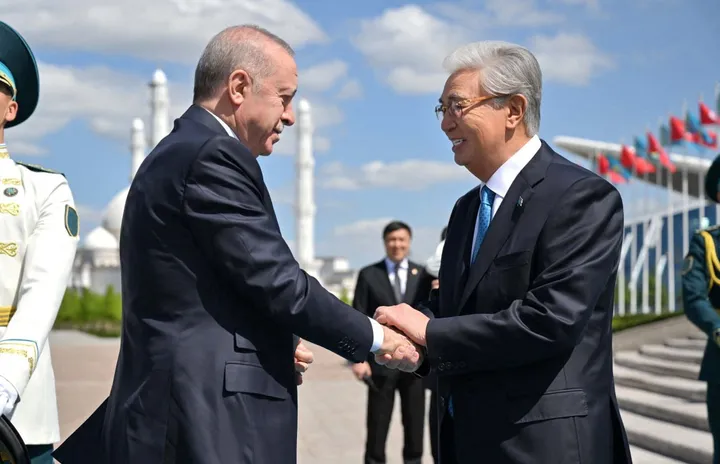
Similarly, President Erdogan’s stance, challenging the global silence on Gaza and unwavering support for the Palestinian cause, is not just rhetorical; it is a systematic objection where the “world is bigger than five” doctrine meets concrete humanitarian diplomacy on the ground.
As pragmatic deals are signed in 2026, these countries are the only forces capable of adding a humanitarian annotation to those texts and acting as a braking mechanism.
Second is courageous leadership. In the transactional world of 2026, everything will have a price, but courageous leaders will uphold value.
Leadership, at this precise moment, means moving beyond rational cost-benefit analysis to remind the world of red lines.
Leaders who see refugees not as bargaining chips but as human beings, and who define borders not just as security walls but as lines of conscience, will determine the fate of 2026.
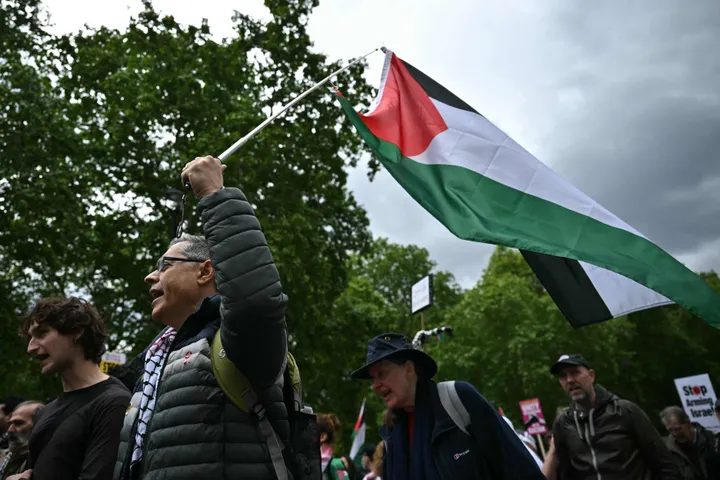
Third, and perhaps most importantly, is the Global Street. While the double standards of Western capitals are being exposed by their own citizens, the most stable heart of this global objection is undoubtedly Istanbul.
The January 1 pro-Palestine gathering on the Galata Bridge is not merely a recurring ritual. It is a manifesto of conscience presented to the global system at the dawn of the new year.
This tableau, formed by hundreds of thousands, is the epicentre of a line of civil resistance stretching from London to Jakarta. These squares represent the people's moral veto against the cold calculations of states behind closed doors.
2026: A crossroads
Ultimately, the global legacy of 2026 will be determined not by the speed of diplomatic give-and-take processes but by the moral depth of the stance taken against the genocide in Gaza.
While transactional realism may view Palestinians as a security detail or a construction project, offering short-term calm, any consensus that excludes justice is essentially a ticking time bomb, deepening the chaos.
At this point, historical responsibility falls upon ‘moral powers’ and the conscientious leaders of the Global South who take initiative where the international system is deadlocked.
The roadmap for the coming year must be a strategic imposition, not a moral wish. The task of these actors is not merely to present an architecture including justice in Gaza as an option on the table.
On the contrary, by solidarity coalitions, diplomatic mobilisation, and legal activism, it is possible to prove to the system that the cost of any plan excluding conscience will be far higher than a compromise.
Sustainable peace must be practically constructed, not as a preference, but as the only exit from this crisis.