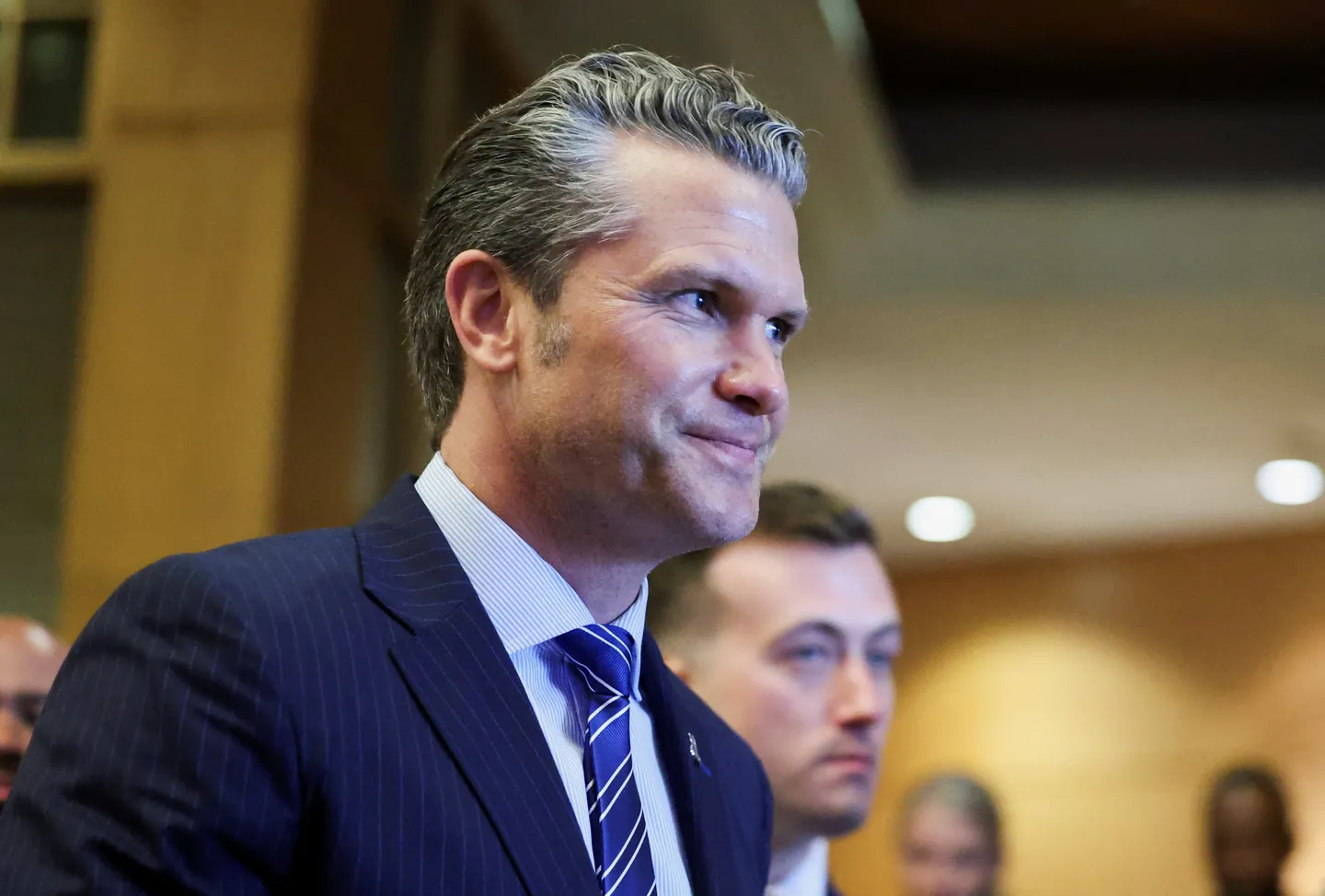
The United States will “stoutly defend its interests”, Defence Secretary Pete Hegseth told Chinese counterpart Dong Jun during a meeting on Friday in Kuala Lumpur, while Dong said China has the “full capability and confidence” to respond calmly to any “acts of provocation or infringement”, underscoring both sides’ focus on regional stability.
The meeting was the latest sign of gradually improving communications between the two sides, amid roiling regional tension and increased military deployments.
It followed a teleconference call in September between the two.
In a post on X, Hegseth said he told the Chinese minister of national defence that the United States was concerned about China's activities in the disputed South China Sea and around Taiwan, during a meeting he called “good and constructive”.
“We will continue discussions with the People’s Liberation Army on matters of mutual importance,” he wrote after the two met on the sidelines of a gathering of ASEAN defence ministers in the Malaysian capital.
It was their first meeting since Hegseth was appointed as Pentagon chief early this year in January.
He noted that the US does not seek conflict and will continue to “stoutly defend” its interests while ensuring it has the capabilities in the region to do so.
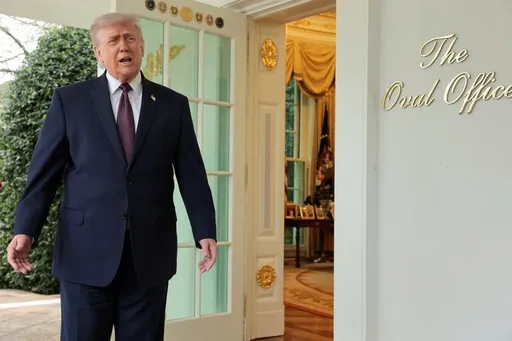
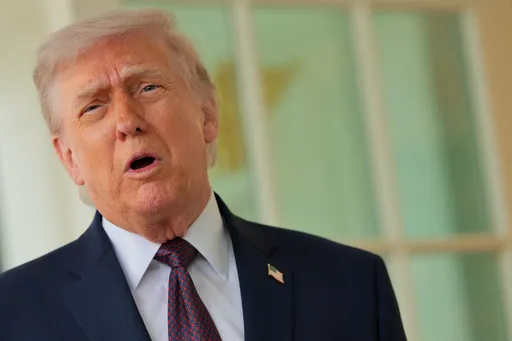
The remarks came after President Donald Trump said on Thursday that Taiwan did not figure in his meeting with President Xi Jinping in the South Korean city of Busan.
The Pentagon has been pushing for improved communications with China over its military modernisation and regional posture, including greater transparency over its nuclear weapons build-up and more theatre-level discussions with military commanders.

China asks US to ‘speak prudently’ on Taiwan
Meanwhile, Jun told his US counterpart in the same meeting that it has the “full capability and confidence” to respond calmly to any “acts of provocation or infringement”.
Stressing China remains “committed to peaceful development while resolutely safeguarding its national security interests”, Dong expressed hope that the “US would translate its commitment of not seeking to contain China or engage in conflict into concrete actions”, according to an official statement from China’s defence ministry.
Dong urged Hegseth to work with China to “inject positive energy into regional and global peace and stability”.
Regarding Taiwan, Dong said: “The reunification of the two sides of the Taiwan Straits is an irreversible historical trend.”
He urged the US side “to act and speak prudently on Taiwan-related questions and to take a clear stance against ‘Taiwan independence’.”
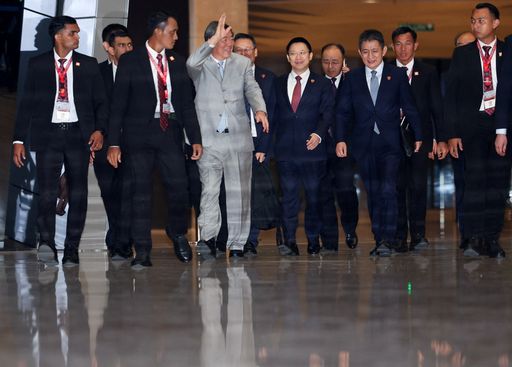
He recalled that Chinese President Xi Jinping and his US counterpart, Donald Trump, during their meeting in South Korea a day earlier, had provided “strategic guidance” for the stable development of bilateral ties, “pointing out that China and the US can absolutely achieve mutual success and common prosperity”.
The Chinese defense minister told the Pentagon chief that the two sides should play a leading role in high-level strategic communication and strengthen policy-level communication to build trust and dispel doubts.
Dong called for expanding “positive interactions” among frontline officers and soldiers and encouraging universities and academia to “provide assistance in exploring the correct way for the two militaries to coexist”.