Venezuela's acting president announced on Friday a proposal for mass amnesty in the country, in her latest major reform since the US abduction of Nicolas Maduro just weeks ago.
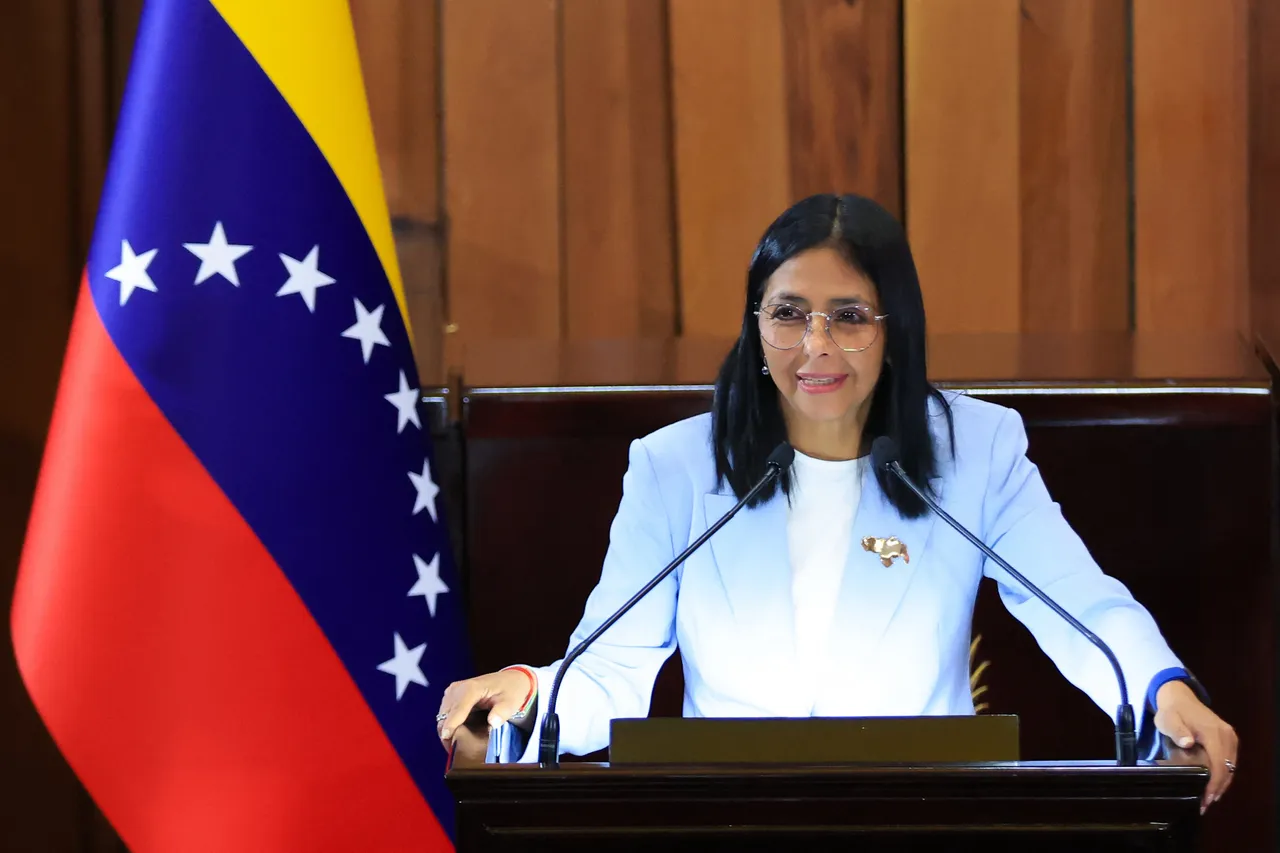
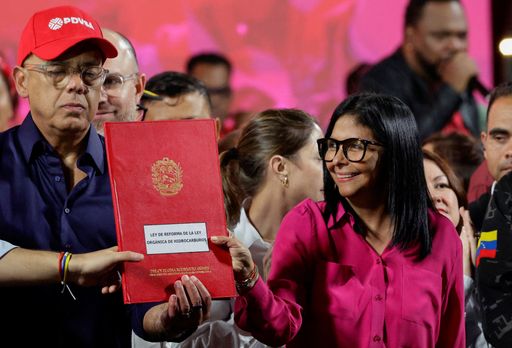
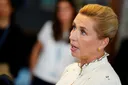
Delcy Rodriguez, in a speech at the Venezuelan Supreme Court attended by top government officials, said she will propose a "general amnesty law covering the entire period of political violence from 1999 to the present."
"This law will serve to heal the wounds left by political confrontation, fuelled by violence and extremism. It will allow us to put justice back on track in our country," Rodriguez said, also announcing a "major national consultation for a new judicial system."
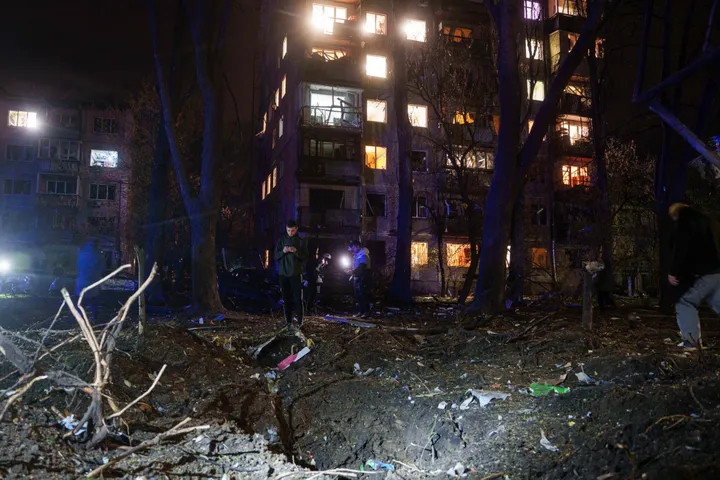
She also announced plans to close the El Helicoide prison in Caracas, where rights groups claim political prisoners were tortured by Maduro's intelligence services.
The massive facility, originally built as a shopping mall, will be turned into a "sports, cultural and commercial centre for police families and neighbouring communities," Rodriguez said.
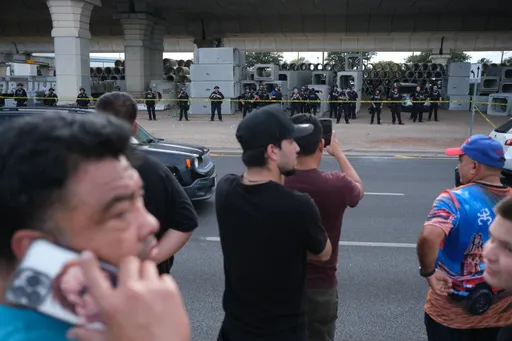
A mother interviewed by AFP near El Helicoide was overjoyed that her son, imprisoned inside, may soon be released under the law.
"It's wonderful! I haven't heard from my son in six months, so, damn it, this is a huge joy, it's an amnesty, my God, it's total liberation," said Betsy Orellana, 63.
Wary opposition
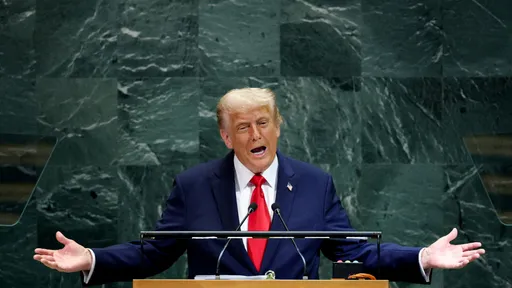
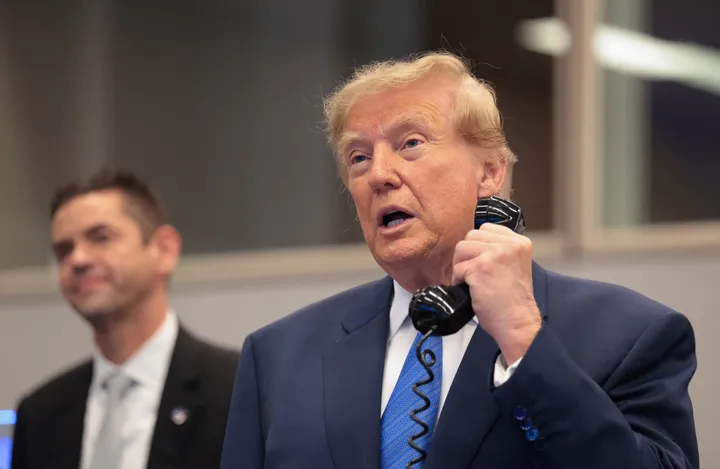
Formerly Maduro's vice president, Rodriguez, 56, has quickly moved in less than four weeks in power to overhaul Venezuelan society in ways sought by the United States, earning high praise from US President Donald Trump.
Along with her brother, National Assembly President Jorge Rodriguez, she has passed a new law opening up the country's critical oil sector to private investments - a key demand of Trump.
The move on Thursday was almost immediately followed by a rollback on US sanctions targeting Venezuela's oil industry.
The government also agreed on January 8, five days after Maduro was abducted in a deadly US military operation, to free inmates considered political prisoners by rights groups.
Families — many of whom began camping outside the prisons — and rights groups have criticised the slow pace of the releases, with the Foro Penal NGO counting less than 300 in total released since January 8.
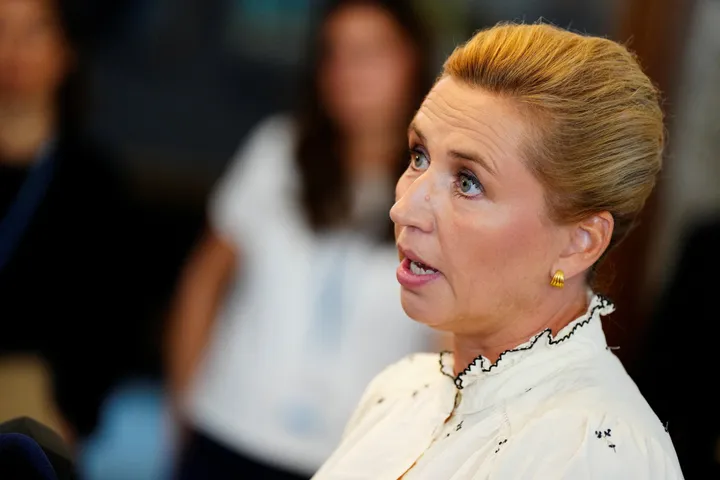
Opposition figures in Venezuela have voiced reserved optimism at the changes taking place, wary that Maduro's closest allies still remain in power.


Nobel Peace Prize laureate Maria Corina Machado said on Friday that Rodriguez's amnesty proposal came only after she was pushed by Washington.
"This is not a voluntary gesture by the regime, but a response to pressure from the United States government. And I hope that the prisoners will soon be able to be with their families," she posted on social media.
Opposition lawmaker Tomas Guanipa, whose two brothers are imprisoned, said he hope the amnesty would end "an era of repression."
"May this be the beginning of a path that leads us to freedom and democracy, definitively and forever," he told AFP in an interview at his home in Caracas.
Americans freed
US authorities on Friday announced that all Americans known to be held prisoner in Venezuela had been released.
The announcement came hours after the release of Peruvian-American political prisoner Arturo Gallino Rullier, whom the Foro Penal group said was on his way to the United States.
In a sign of Trump's satisfaction with the new Venezuelan authorities, his administration lifted a ban on US flights to the South American country.
And after years of the US embassy being shuttered, Washington is also preparing to re-establish its diplomatic presence in Caracas.
Seasoned diplomat Laura Dogu was recently named US chargé d'affaires for Venezuela — the highest level representative below an ambassador.
Dogu is expected to arrive in Caracas on Saturday, according to diplomatic sources.