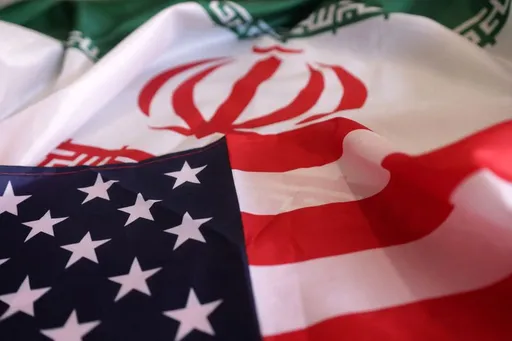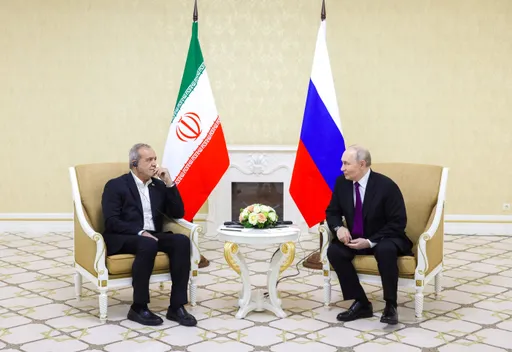
President Donald Trump has said the US has to reach a deal with Iran and believes an agreement could be struck within the next month, while Israeli Prime Minister Benjamin Netanyahu expressed cautious support, saying Trump may be creating conditions for such a deal.
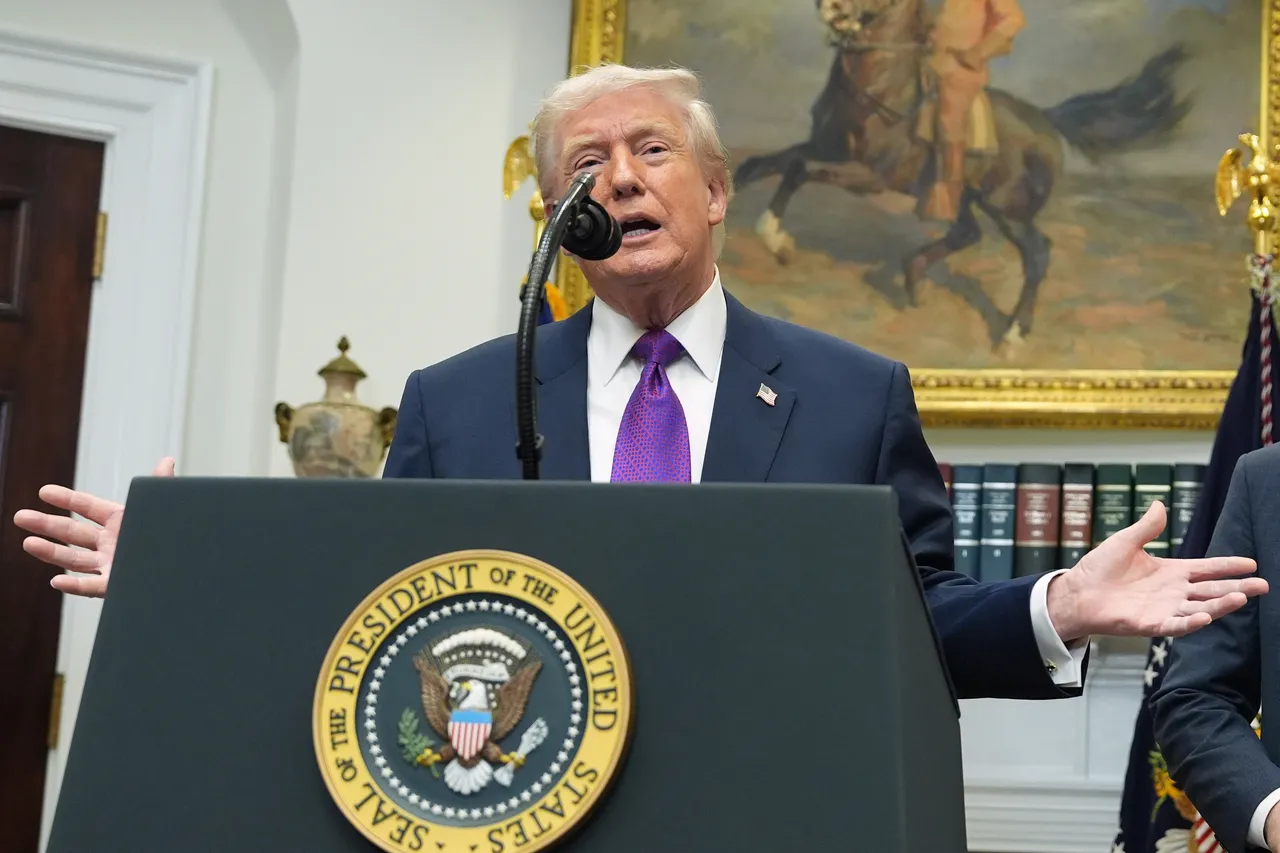
Speaking on Thursday, a day after he hosted Netanyahu at the White House, Trump said he hoped for a result "over the next month" from Washington's negotiations with Tehran over its nuclear programme.
"We have to make a deal, otherwise it's going to be very traumatic, very traumatic. I don't want that to happen, but we have to make a deal," Trump told reporters.
"This will be very traumatic for Iran if they don't make a deal."
Trump — who is considering sending a second aircraft carrier to the Middle East to pressure Iran — recalled the US military attacks he ordered on Tehran's nuclear facilities during Israel's 12-day war with Iran in July last year.
"We'll see if we can get a deal with them, and if we can't, we'll have to go to phase two. Phase two will be very tough for them," Trump said.
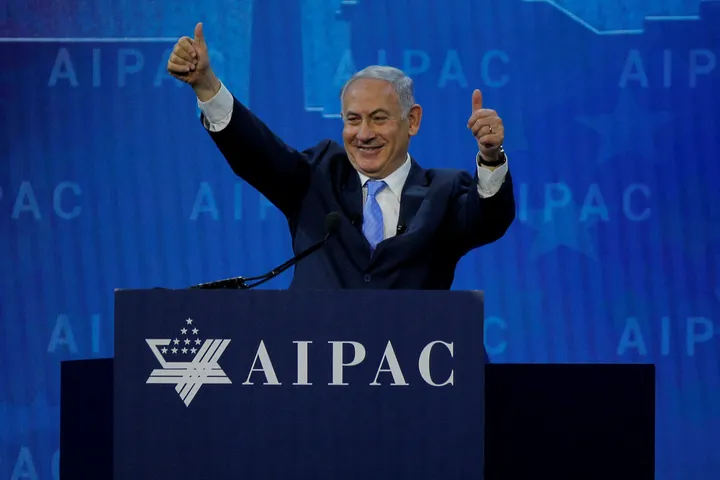
Netanyahu, who met Trump in Washington on Wednesday, meanwhile said he hoped the US president was laying the groundwork for an agreement that would avoid military action.
It was the seventh meeting between the two since Trump returned to office last year.
Speaking after more than two and a half hours of closed-door talks, Netanyahu said he had conveyed "general scepticism" but added that if an agreement were reached, "it must include the elements that are very important to Israel."
He said those elements include a halt to Iran's nuclear programme, limits on its ballistic missiles and restrictions on Iran's regional proxies.





Avoiding entanglement
Trump described the talks as a "very good meeting" but said no major decisions were made.
He stopped short of publicly endorsing Netanyahu's demands.
"We have a very close, very genuine, and very open relationship," Netanyahu said, adding that Trump wanted to "hear my opinion" on the negotiations.
"The President believes that the Iranians have already learned who they are dealing with," he said.
"I think that the conditions he is creating, combined with the fact that they surely understand they made a mistake last time by not reaching an agreement, may create the circumstances for achieving a good deal."
The remarks come after nuclear negotiations between Washington and Tehran were held in Oman last Friday, with further discussions expected.