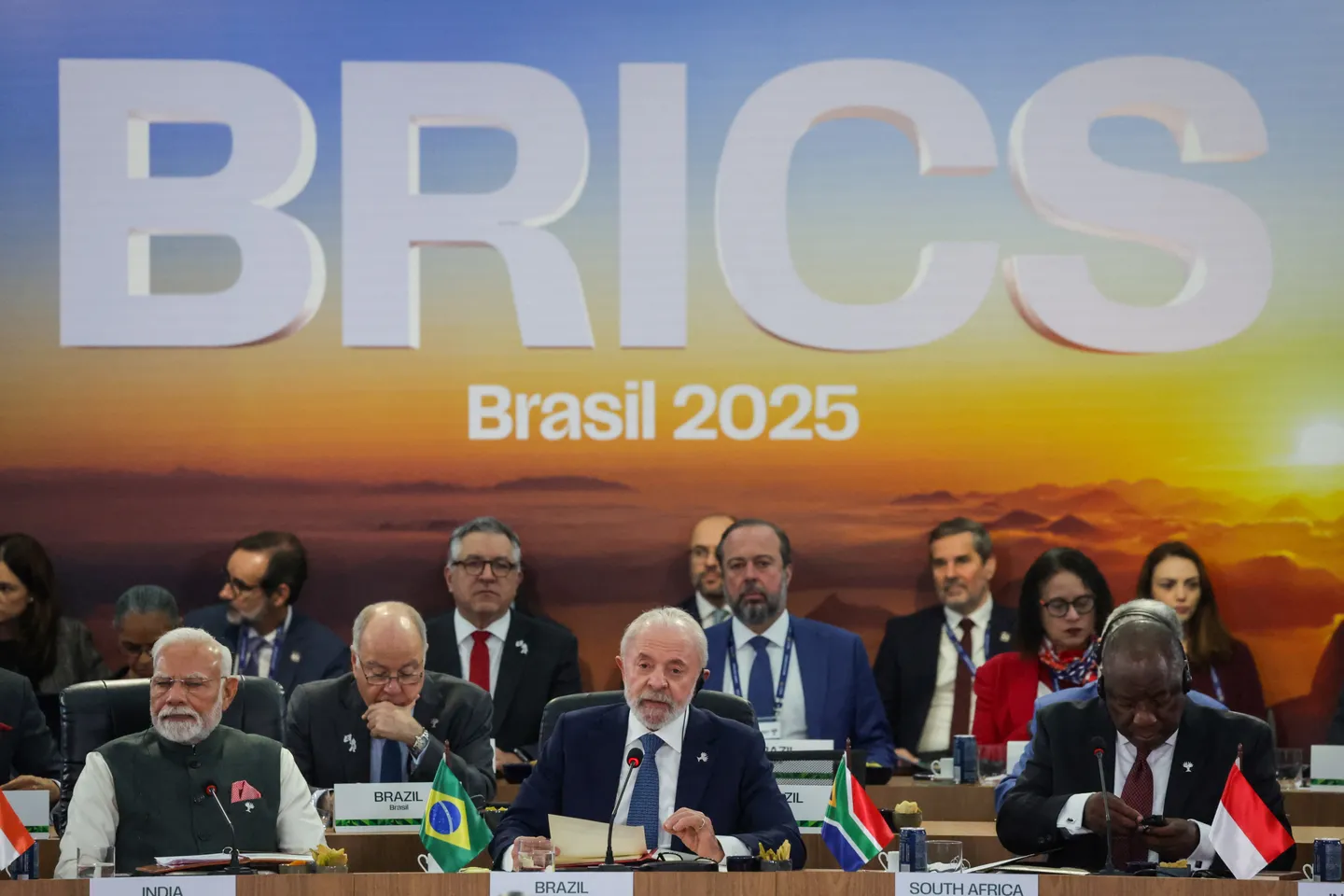
India on Thursday officially took over the rotating presidency of the BRICS grouping for 2026, a role in which New Delhi is expected to emphasise inclusive development and elevate the concerns of the Global South in global economic decision-making, Nikkei Asia reported.
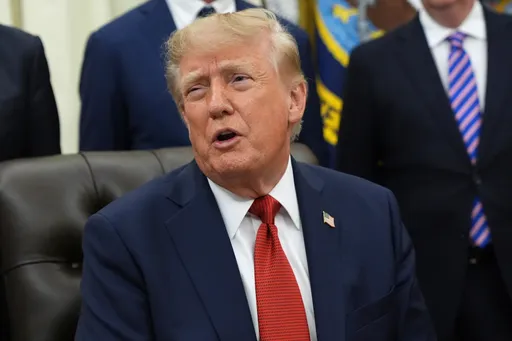
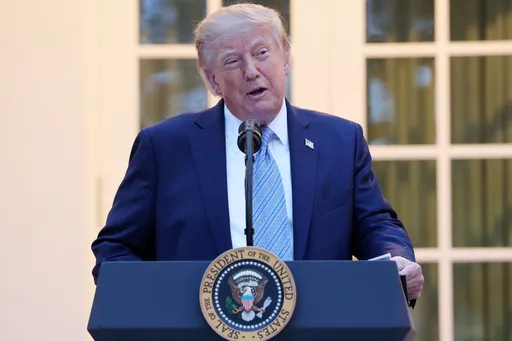
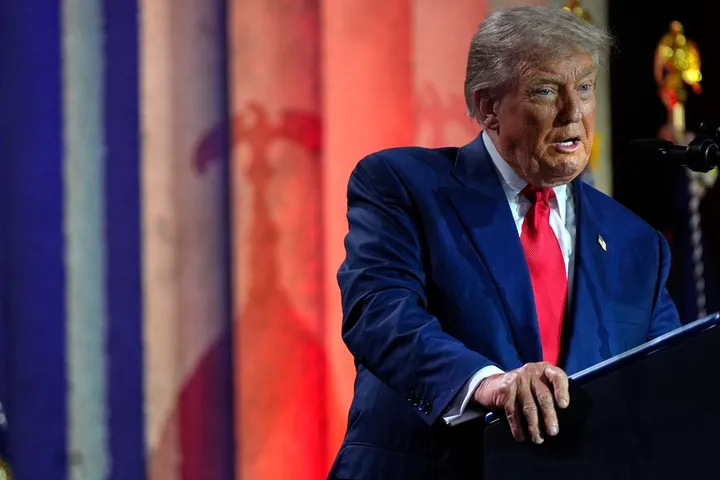
The transition comes at a moment of heightened trade uncertainty, following sweeping tariffs imposed by US President Donald Trump.
Originally formed by Brazil, Russia, India, China and South Africa, BRICS has expanded significantly in recent years. Egypt, Ethiopia, Indonesia, Iran and the United Arab Emirates joined the bloc over the past two years. While the BRICS website lists Saudi Arabia as the 11th member, some reports indicate that Riyadh has yet to formally complete the accession process.
World Bank data shows that the expanded grouping accounts for roughly 49 percent of the global population, 29 percent of worldwide GDP and 23 percent of international trade.
Trade relations between India and the United States have been strained since August, when Trump imposed 50 percent tariffs on Indian goods, including a 25 percent surcharge linked to New Delhi’s purchases of Russian oil.
The rate was the highest applied to any US trading partner and matched the duties levied on Brazil, which held the BRICS chair in 2025. Washington later eased some of Brazil’s additional tariffs, including on products such as coffee and beef, in November.
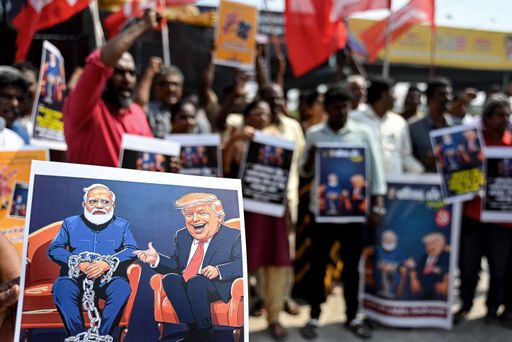
In February, Trump cautioned BRICS nations against introducing a shared currency. “BRICS is dead,” he told reporters, saying he had warned the bloc that “if they want to play games with the dollar, then they're going to be hit with a 100 percent tariff.”
According to Prerna Gandhi, an associate fellow at India’s Vivekananda International Foundation, India is unlikely to take a confrontational approach on currency issues during its presidency. “Facing Trump tariffs, India will likely resist confrontational de-dollarization, and instead promote local currency settlements to maintain strategic autonomy,” Gandhi told Nikkei Asia.
"India will also push for reforms in multilateral institutions like the World Trade Organisation and International Monetary Fund while encouraging dialogue that reduces fragmentation and promotes stability in global supply chains," she was quoted as saying.
Raj Kumar Sharma, a senior research fellow at NatStrat, a New Delhi-based think tank, said India will use its BRICS presidency to "defend and strengthen multilateralism against any unilateral impulses."


“There is need to strengthen multilateral trading systems during current times when protectionism and tariffs are increasing. At the same time, India will also support reform of global governance institutions like the United Nations Security Council, the World Bank and the IMF,” the publication reported Sharma as saying. He added that India recognises long-standing structural imbalances in global trade frameworks and may advocate special and differential treatment for developing economies.
On the Global South, Sharma noted that India would likely build on priorities it advanced during its G20 presidency in 2023, placing “primacy to human welfare, inclusive development and broad public concerns affecting various countries.”

He said issues such as food and fuel shortages, debt relief and climate finance “will be central to India's 2026 BRICS presidency, which could face some challenge from America's G20 presidency in which issues of the Global South may not be adequately highlighted.”
“India would like to make sure that the voice of the Global South is not lost amidst ongoing great-power rivalry,” he added.
Meanwhile, Pakistan, which is grappling with economic difficulties, has expressed interest in joining the BRICS-backed New Development Bank as it looks to diversify its sources of financing. Islamabad applied for BRICS membership in 2023 with backing from Russia and China.
Sharma said India is expected to seek clearer guidelines for any future expansion. “India is likely to push for clearly defined criteria for BRICS membership so that the bloc does not lose its significance due to [any] unplanned expansion,” he said.
Gandhi echoed that view, noting that while New Delhi supports enlargement in principle, it wants expansion to enhance the bloc’s effectiveness.
India, she said, has argued that growth “should strengthen, not dilute, BRICS' effectiveness” and has called for transparent benchmarks, including economic scale, development status, institutional capacity and commitment to multilateralism, rather than politically driven admissions.
She also pointed out that BRICS members focused on consolidating the existing group in 2025 instead of pursuing further expansion.