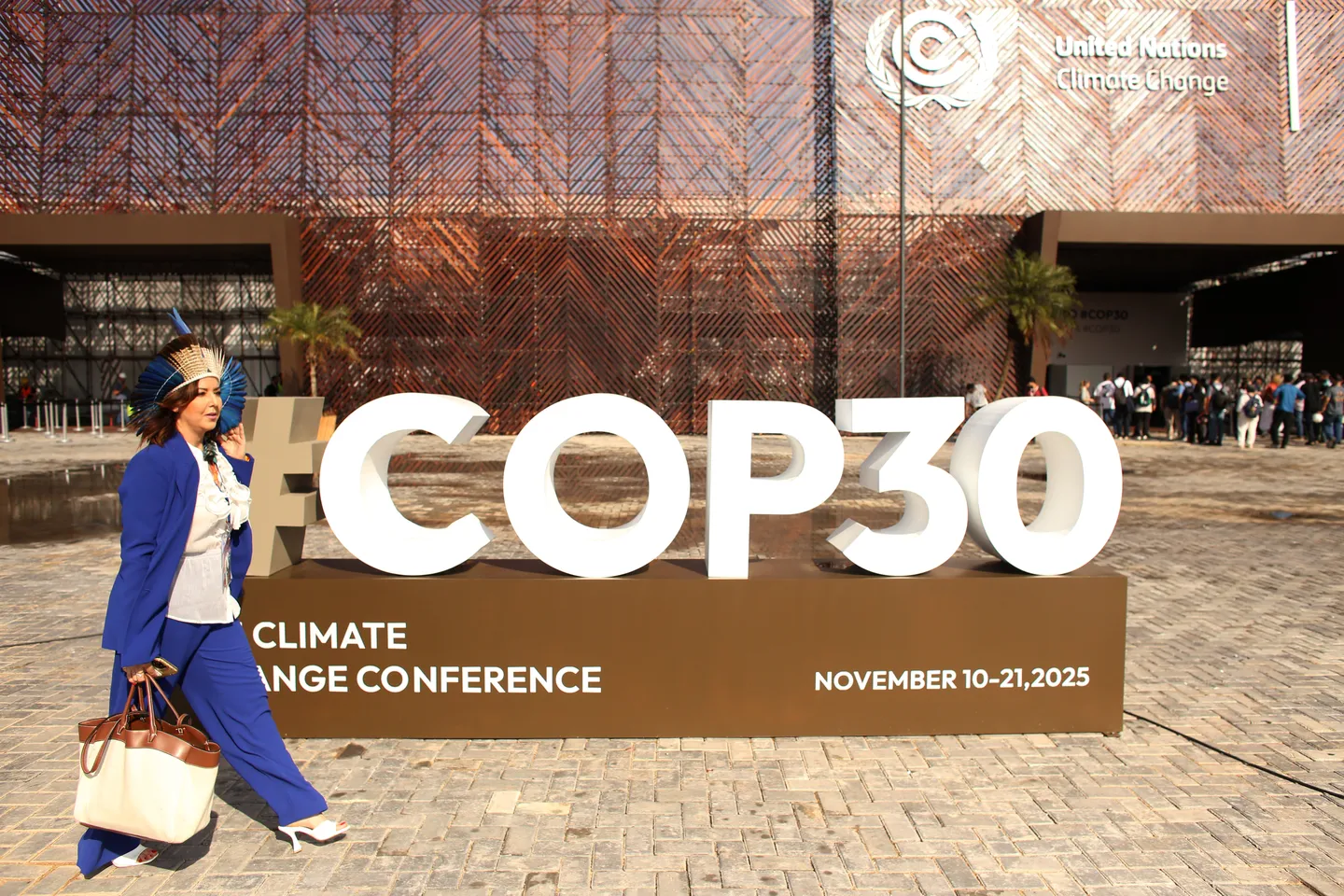
The European Union has rejected a new draft agreement put forward by host nation Brazil, as a bitter dispute over whether to include any reference to fossil fuels in the COP30 final text threatened to upend the UN climate summit.
After nearly two weeks of talks in the Amazonian city of Belem, the draft released by Brazil on Friday omitted both the phrase "fossil fuels" and the word "roadmap" — a term President Luiz Inacio Lula da Silva had previously championed.
Securing a deal is seen as crucial to accelerating cuts to emissions driving extreme weather and demonstrating that global cooperation can still function.
EU climate commissioner Wopke Hoekstra said the text was "unacceptable" and warned the summit risked ending with no agreement.
"I am saying it with a heavy heart, but what is now on the table is clearly no deal," he told reporters.
Negotiations without result




Thirty-six countries — a group including wealthy states, emerging economies and small island nations — had written to Brazil warning they would reject any outcome that failed to include a clear plan to move away from oil, coal and gas.
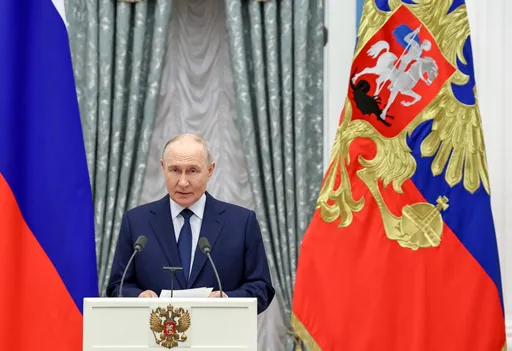
France’s ecological transition minister, Monique Barbut, said Russia, Saudi Arabia, coal-dependent India and "many" emerging countries were resisting the language.
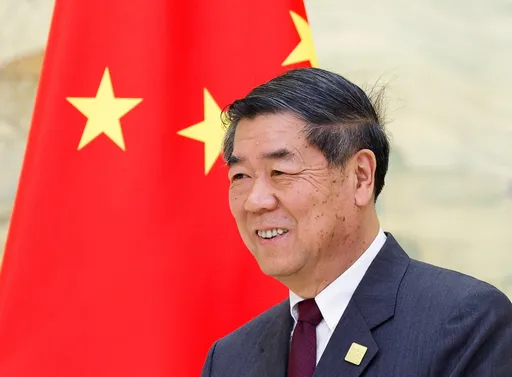
Arunabha Ghosh, a special envoy for South Asia, pushed back against "finger pointing," saying all parties needed space to safeguard energy security and ensure a just transition.
Consensus among nearly 200 nations is required for a deal, in a summit held without the United States after President Donald Trump shunned the event.
The rejected draft called for a "manyfold increase" in financial support for developing countries and urged "efforts to triple adaptation finance" by 2030.
But divisions remained, including over the inclusion of trade measures — particularly Europe’s new Carbon Border Adjustment Mechanism — which developing nations say could damage their export revenues.