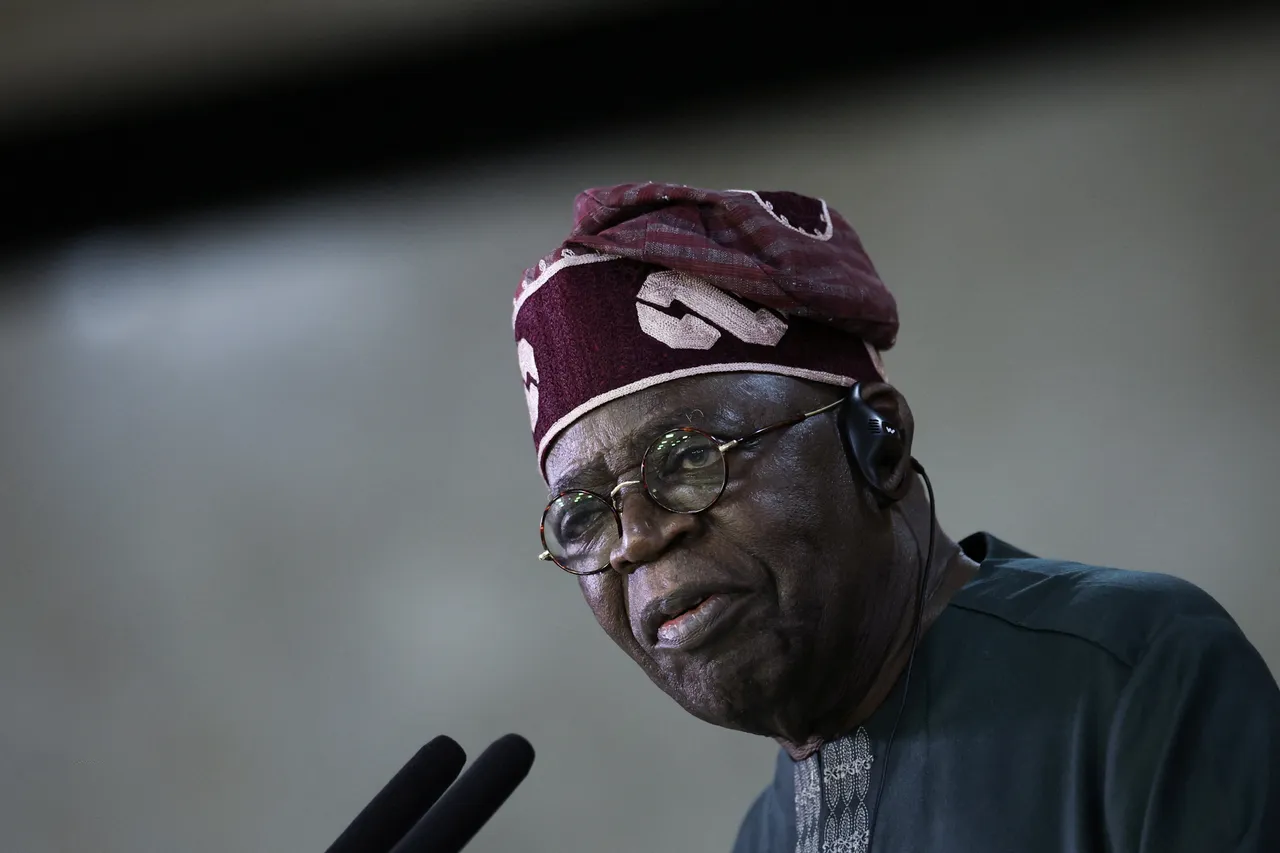
Nigeria's president vowed a national security revamp as he presented the government budget on Friday, allocating the biggest the chunk of spending to defence after criticism over the handling of the country's myriad conflicts.
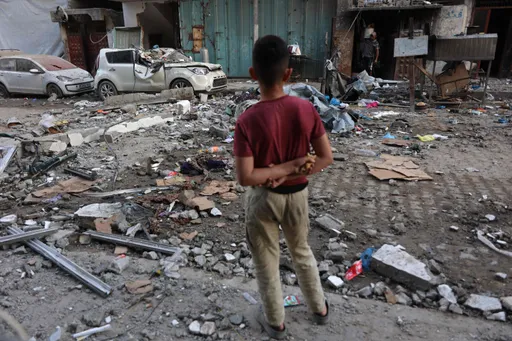
Africa's most populous country faces a long-running militant insurgency in the northeast, while armed "bandit" gangs commit mass kidnappings and loot villages in the northwest, and farmers and herders clash in the centre over dwindling land and resources.
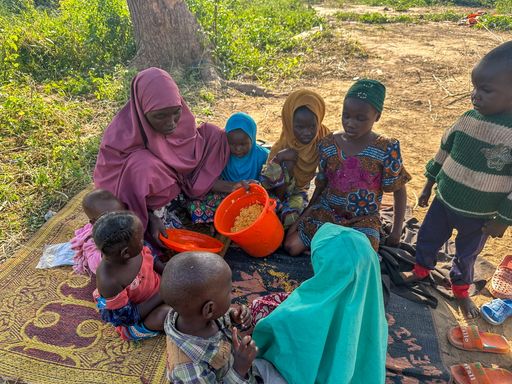
President Bola Tinubu last month declared a nationwide security emergency and ordered mass recruitment of police and military personnel to combat mass abductions, which have included the kidnapping of hundreds of children at their boarding school.
He told the Senate his government plans to increase security spending to boost the "fighting capability" of the military and other security agencies by hiring more personnel and buying "cutting-edge" equipment and hardware.
Tinubu promised to "usher in a new era of criminal justice" that will define all violence by any armed groups or individuals as terrorism, as he allocated $3.7 billion for defence and security.
‘Necessary but painful economic reforms’


Security officials and analysts say there is an increasing alliance between bandits and militants from Nigeria's northeast, who have in recent years established a strong presence in the northwestern and central regions.
"Under this new architecture, any armed group or gun-wielding non-state actors operating outside state authority will be regarded as terrorists," said Tinubu, singling out among others bandits, militias, armed gangs, armed robbers, violent cult groups and foreign-linked mercenaries.
He said those involved in political or sectarian violence would also be classified as terrorists.
On the economic front, Tinubu hailed his "necessary" but not "painless" reforms that have plunged Nigeria into its worst economic crisis in a generation.
He said inflation has "moderated" for eight successive months, declining to 14.45 percent in the last month from 24.23 percent in March this year.
He projected that the budget deficit will drop next year to 4.28 percent of GDP from around 6.1 percent of GDP in 2023, the year he came into office.