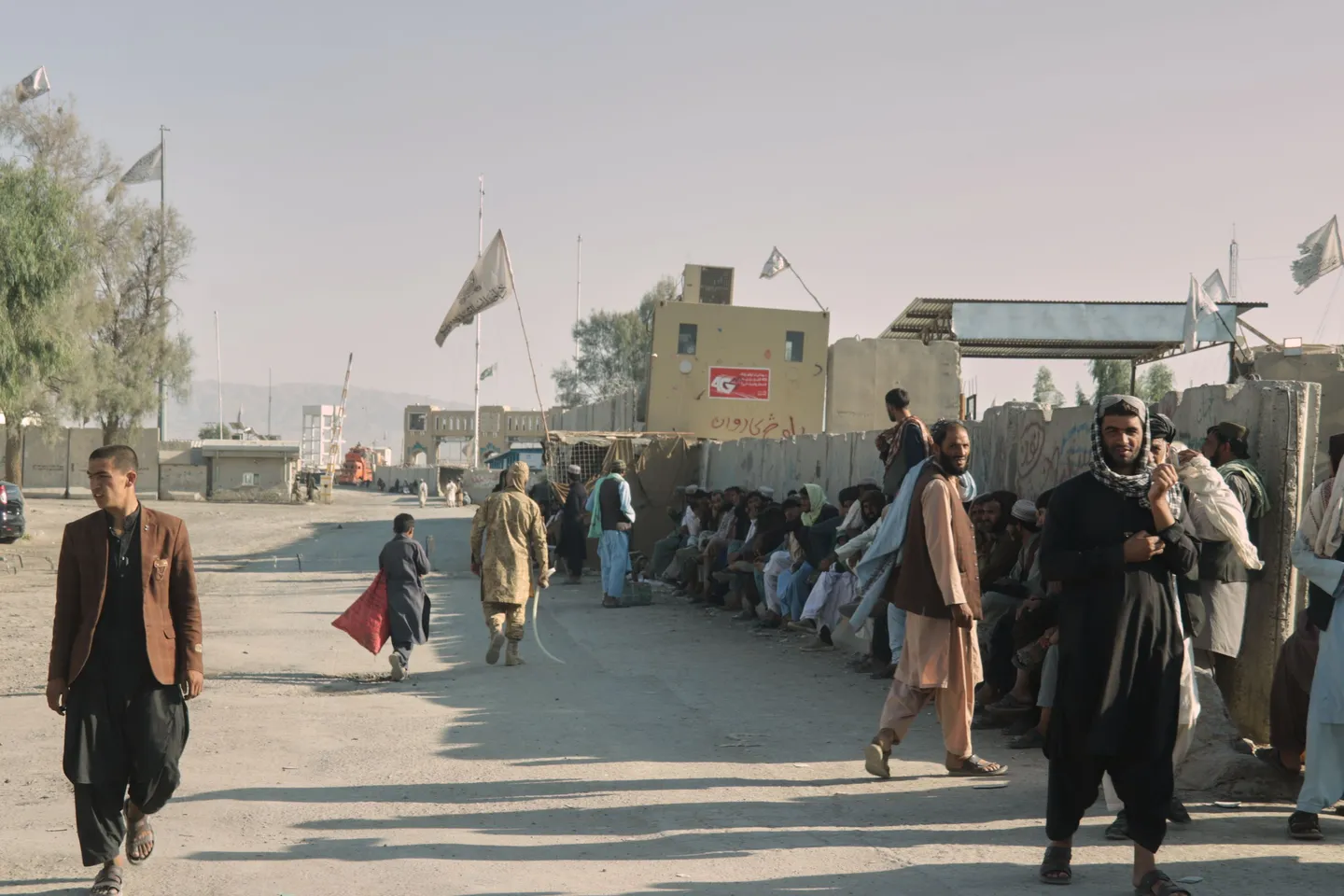
Pakistan’s deputy prime minister and foreign minister said that Islamabad is poised to reopen a key border crossing with Afghanistan to allow the United Nations to deliver humanitarian aid, weeks after deadly clashes shut down movement between the two countries.
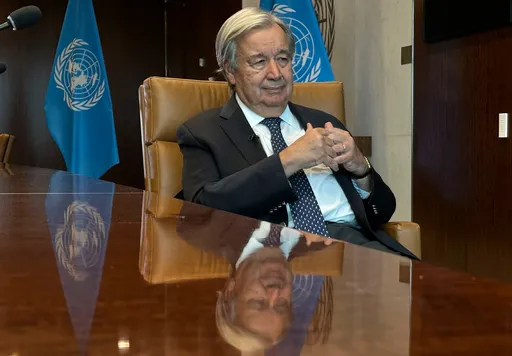
Speaking to reporters on Saturday in Islamabad, Ishaq Dar said the UN had formally requested permission to resume aid shipments into Afghanistan.
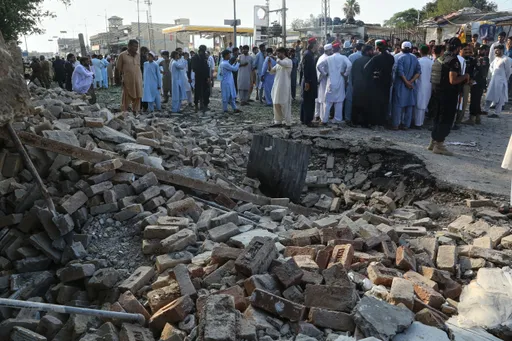
Pakistan sealed the Torkham and Chaman crossings on October 12, after Tehrik-i-Taliban Pakistan (TTP) terrorist group carried out deadly attacks inside Pakistan.
TTP is an alliance of several terror groups formed in 2007 that primarily targets Pakistan.
The Taliban administration in Afghanistan has been asked by Islamabad to rein in TTP terrorists operating from Kabul and carrying out terror attacks against Pakistan.
The violence perpetrated by terrorist groups, especially TTP, within Pakistan has significantly strained its relations with the Afghan Taliban.
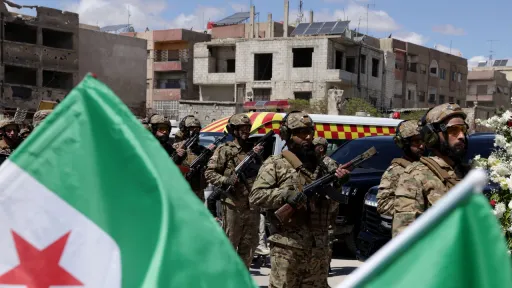
The latter returned to power in Kabul following the withdrawal of US-led forces in 2021.





According to Pakistani military officials, more than 500 people, including over 311 soldiers, have been killed in attacks, largely carried out by the TTP, so far this year.
Dar said he had already consulted Pakistan’s army chief, who indicated his support for reopening the border for aid. “I will now speak with the prime minister, who is abroad, and hopefully by tomorrow we will make an announcement,” he said.
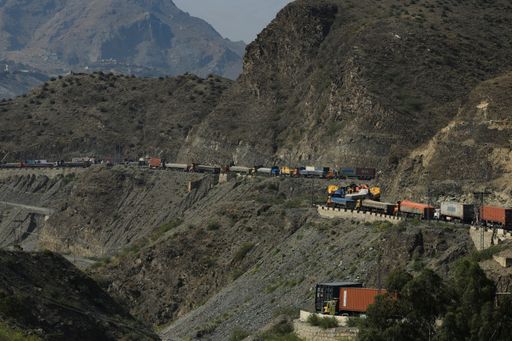
Earlier this month, Pakistan briefly reopened both Torkham and Chaman to allow Afghan refugees to return home, but commercial and humanitarian traffic has remained blocked.
The Torkham crossing links Pakistan’s Khyber Pakhtunkhwa province with Afghanistan’s Nangarhar province, while Chaman connects Balochistan to Kandahar in southern Afghanistan.
Both crossings are vital arteries for Afghanistan’s food, fuel and medical supplies, needs that have grown more acute as winter approaches.
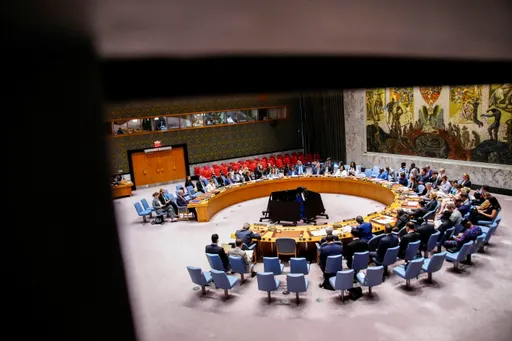
UN officials have repeatedly warned that the border closures are compounding an already severe humanitarian crisis in Afghanistan, where more than half the population requires assistance.