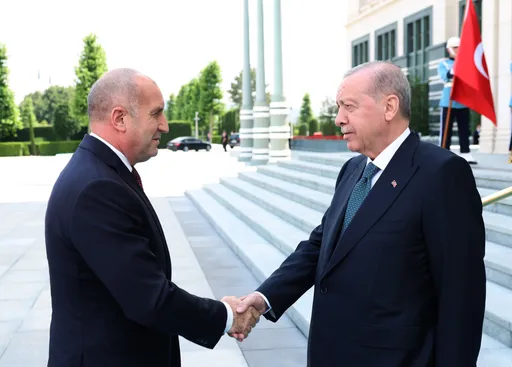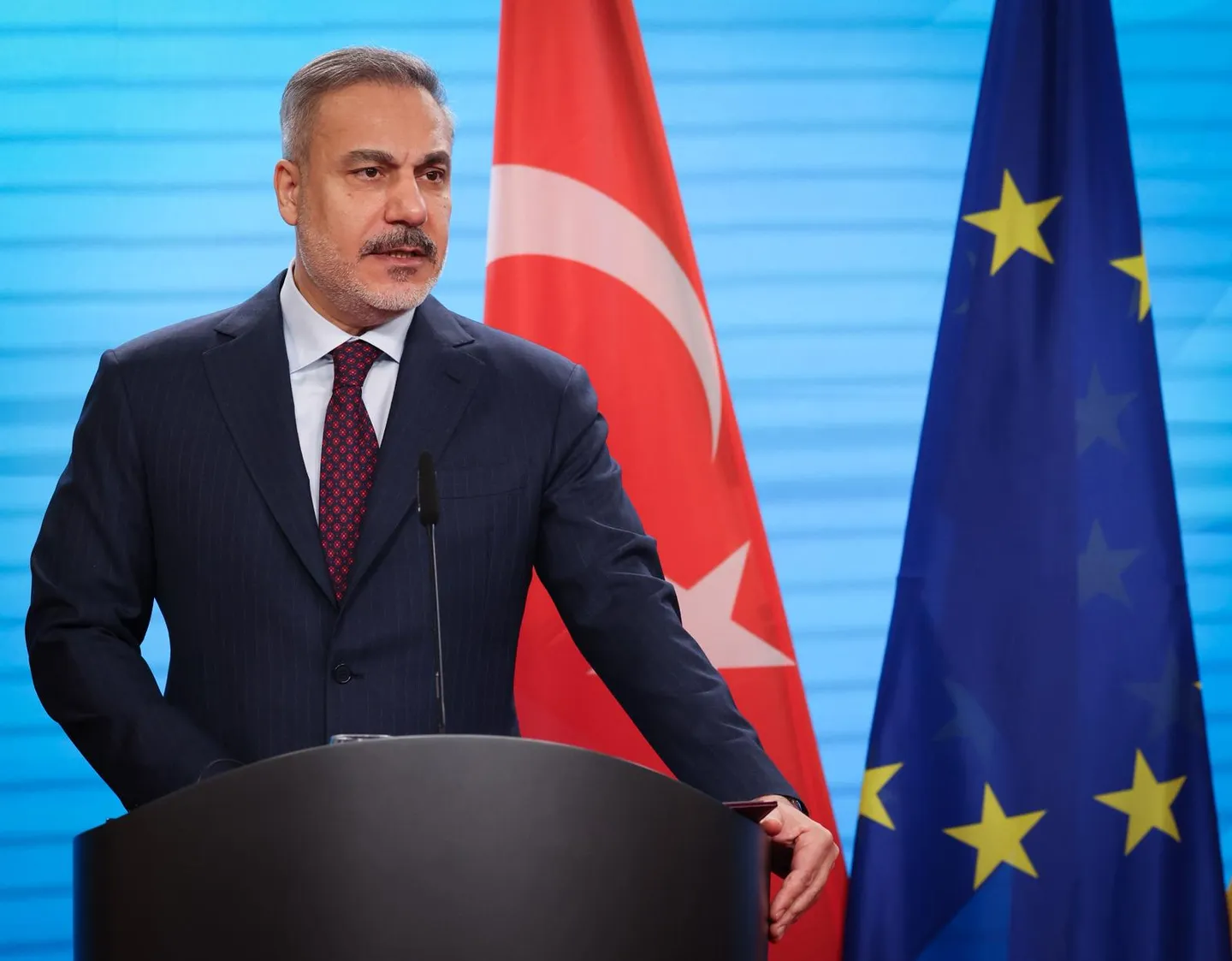
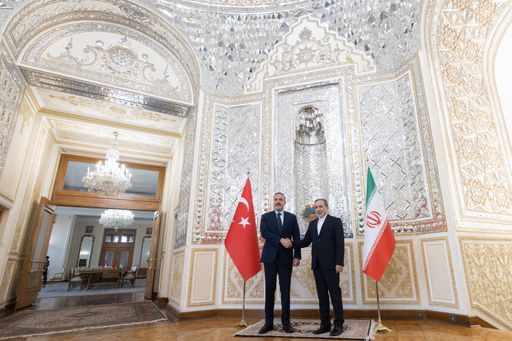
Turkish Foreign Minister Hakan Fidan has said that President Recep Tayyip Erdogan has made Ankara’s desire to join the European Union “crystal clear”, stressing that the next step must come from Brussels and that a “political will in Europe” could swiftly resolve the remaining obstacles to Türkiye’s accession.
Speaking to Germany’s Welt am Sonntag during a visit to Berlin on Saturday, Fidan said Türkiye still seeks full EU membership and expects “objective and fair progress”, arguing that past blockages stemmed from political objections by certain member states rather than technical shortcomings in the negotiation process.
Russia–Ukraine
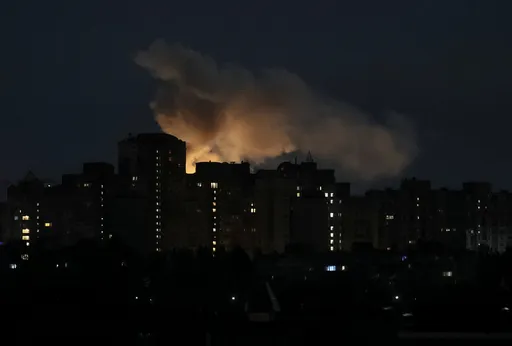
On the war in Ukraine, Fidan said both Kiev and Moscow now appear “more prepared for peace” than in the early months of the conflict.
He asserted that Russian President Vladimir Putin is ready to agree to a ceasefire and a broader peace deal “under certain conditions,” noting that Türkiye has conveyed such signals to Ukraine and is engaged in parts of the ongoing diplomatic effort.
Fidan highlighted the debate over security guarantees for Ukraine, distinguishing between NATO forces and non-NATO international observer missions.
He said Washington is discussing a security guarantee that resembles NATO’s Article 5, while European countries insist Kiev should decide its security arrangements independently.
Russia, meanwhile, views the “upper limit” of any deal as part of its own security framework, he added.
A lasting peace, he said, would require detailed clauses and “explicit commitments” ensuring that neither side attacks the other “for any reason”, which he argued could secure Europe’s stability for decades.
‘No permanent confrontation’
Addressing alleged Russian hybrid threats, including cyberattacks, Fidan said Türkiye has directly confronted Russia in several conflict zones but has also maintained dialogue.
Ankara, he said, responds firmly when its interests are harmed but “cannot afford permanent confrontation with its neighbours.”
Fidan outlined three pillars of Europe’s future security architecture: the NATO-based system, the need to strengthen Europe’s defence industry, exposed as insufficient by the Ukraine war, and the debate surrounding the long-term role of the United States in Europe.
He said the UK, France, Germany, Türkiye, and Italy should help guide these discussions.
On Syria, Fidan said the country is slowly recovering from economic and wartime devastation, adding that around 500,000 Syrians have voluntarily returned from Türkiye.
But he warned that regional stabilisation efforts face growing risks due to Israel’s current actions.