 Syed Tashfin Chowdhury
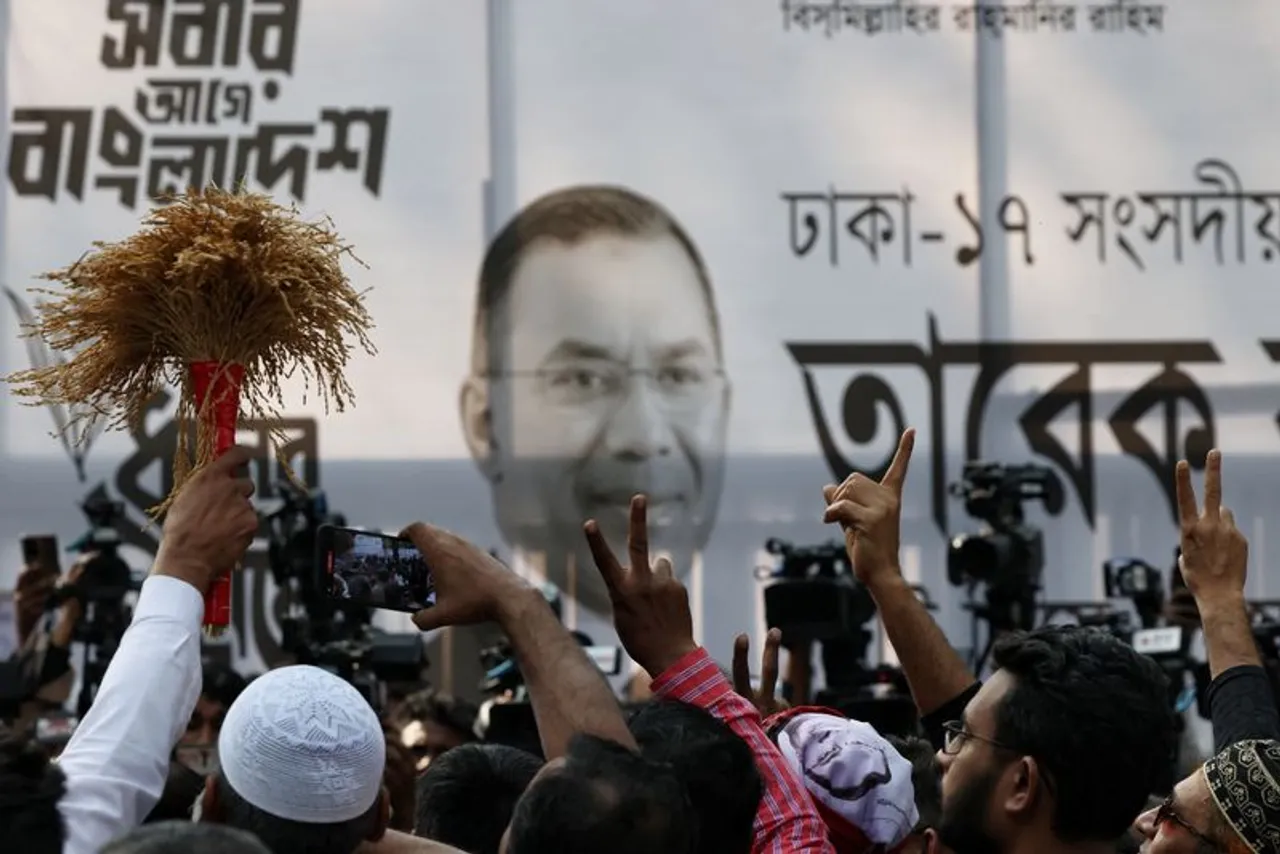
When Tarique Rahman was sworn in as the new leader of Bangladesh, heading a BNP-led alliance government, it marked a seminal moment for a country in the crossroads.
The Bangladesh Nationalist Party’s landslide victory in the twin elections held on February 12 capped a democratic exercise described as the first free and acceptable election in the country in two decades, when Bangladesh’s destiny was in the hands of the now-deposed Sheikh Hasina.
The turnout at the polls this year reinforced the notion that people of Bangladesh will vote when they believe that the election outcomes will be credible and the right environment is in place.
The European Union Election Observation Mission described the election as "credible", "competently managed" and called it a “pivotal step” towards restoring democratic governance and the rule of law.
Similar reactions were voiced by leaders of other nations, which enhanced the current government’s acceptability in those countries.
This credibility, however, ushers in a new set of expectations and challenges, ones that the BNP-led alliance, along with the newly elected parliamentarians, must navigate carefully if they are to sustain public trust.
To reform or not, that is the question
One of the biggest challenges for the BNP government lies in implementing what is known as the July Charter, adopted after the 2024 student uprising and promising a set of sweeping reforms.
A referendum held alongside the election returned an ‘aye’ vote with more than 60 percent approving the reforms that propose term limits for prime ministers, the creation of an upper house of parliament, stronger presidential powers and greater judicial independence.
The new government has, however, indicated that it wants to go slow on the reforms, expressing reservations about some key reform proposals.
At the swearing-in ceremony on February 17, BNP’s elected representatives, some of its allies and some independent candidates took oath as MPs, but declined to be sworn in as members of the Constitutional Reforms Council.
The move disappointed the other two political parties, Jamaat and NCP. The two parties initially threatened to boycott the oaths on Tuesday morning.
Though they changed their minds and were sworn in later, Jamaat Ameer Shafiqur Rahman said, “If the government takes initiative, we, as the opposition, will extend full cooperation. But if the government does not take initiative, then we will speak there on behalf of the people”.
The political disagreement may seem procedural, but its implications are enormous: delayed reforms could quickly erode the public goodwill generated by the credible election.
As it is, the council would have 180 working days from the date of its first sitting to complete constitutional reforms in line with the charter and referendum results.
Experts say BNP could either pursue reforms through legislative mechanisms or implement the reforms they have proposed while leaving other points unchanged.
Good fences make good neighbours
In a post-election press conference on February 13, when asked whether there would be a reset of India-Bangladesh ties, Tarique Rahman said, “We have made ourselves clear regarding the foreign policy: the interest of Bangladesh and the Bangladeshi people comes first”.
With signs of previously strained relations beginning to thaw, highlighted by Indian Prime Minister Narendra Modi promptly congratulating Bangladesh’s new prime minister after his party’s election victory, the approach toward ties with India appears set to be cautious yet friendly.
Tarique had invited Modi to his swearing-in ceremony on February 17.
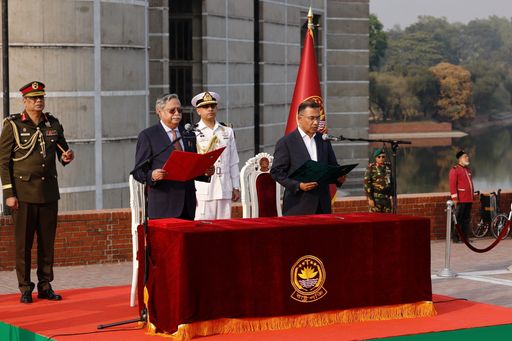
As Modi was occupied with the French President Macron's visit to India, Lok Sabha Speaker Om Birla attended the swearing-in ceremony.
He also handed over a letter from Modi inviting Tarique and his whole family to India.
Concerns in India primarily centre on how the new government will deal with the former ruling party, the Bangladesh Awami League, and its leaders and activists.
In response to a question about this issue, Tarique said his government will ensure “the rule of law”.
After the BNP won the election, BAL offices reopened in several districts of Bangladesh. The other concern is the new government’s handling of minority rights.

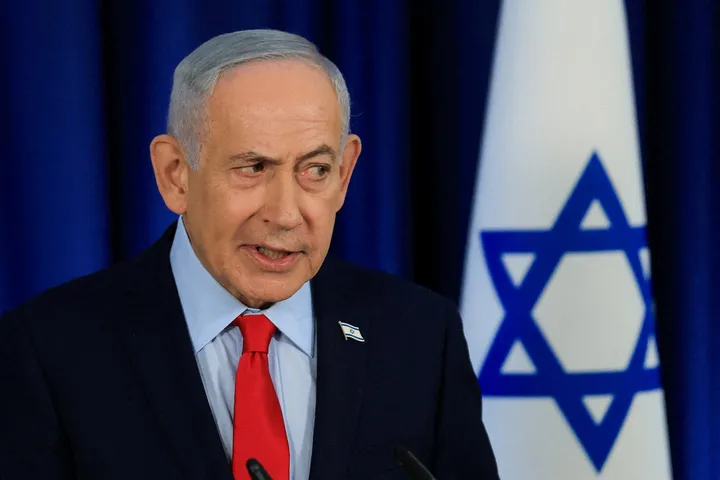






However, Amir Khasru Mahmud Chowdhury, the new Finance and Planning Minister of Bangladesh, stated, “In future, Bangladesh’s foreign policy will not be centred on any specific country. Rather, Bangladesh’s own interests will be given the highest priority in maintaining relations with all nations”.
The Minister’s statement may suggest that, although India is Bangladesh’s second-largest trading partner after China, the dynamic has mostly favoured India.
Recent agreements between India and Bangladesh during the Bangladesh Awami League (BAL) rule included stringent conditions, often designed to integrate Bangladesh into a regional, India-dominated security and economic framework.
Since the July revolution that led to former Prime Minister Sheikh Hasina’s ouster and fleeing to India on August 5, 2024, a major headache for India has been Bangladesh’s warming ties with countries like Pakistan and China.
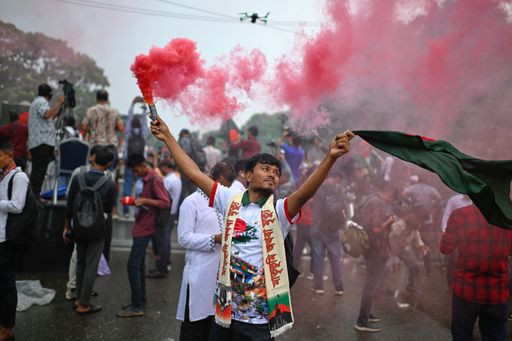
This is likely to continue in the coming years, as the BNP has traditionally been close to China.
China is also going to be pivotal for the new government if it wants to solve the Rohingya refugee crisis. It is understood that Tarique Rahman has retained Khalilur Rahman as the new foreign minister for this reason.
Khalilur was the National Security Adviser during the interim government and has played a very important role in showcasing the plight of Rohingya refugees to the world and Bangladesh’s efforts towards helping them over the past few decades.
As the new government has pledged to reduce the cost of doing business in Bangladesh, both China and Pakistan are likely to be strong partners for Bangladesh's manufacturing and export sectors.
Therefore, it will be a balancing act for the new government.
Additionally, the BNP government needs to seek stronger ties with countries such as Türkiye, GCC countries, Japan, and African countries, as Bangladesh has seen better prospects with them over the past several years.
These should be in key areas such as trade and investment, energy cooperation, labour mobility, defence collaboration, technology partnerships and education exchanges.
Ensuring that young, diverse politicians are heard
In this election, the BNP‑led alliance secured 212 out of the 299 parliamentary seats, while the Jamaat‑led alliance won 77, with independent candidates and smaller parties taking the remaining constituencies.
The National Citizen Party (NCP) won 6 seats. Led by youth activists in their 20s and early 30s, NCP leaders played a key role in the movement that contributed to the fall of Sheikh Hasina’s government in 2024.
Regardless of the outcome, this parliamentary term will serve as an important learning experience for the six NCP MPs as they enter the national legislature for the first time.
Several other young leaders from the BNP and Jamaat also contested and won seats in this election.
Bangladesh’s political landscape has historically been dominated by politicians aged 55 years and older. Although some young leaders were elected during the BAL‑led government, many rarely had the opportunity to adequately voice their opinions or achieve the reforms they sought.
It is hoped that the new parliament will ensure that young and diverse voices are heard and supported, paving the way for increased youth involvement in mainstream politics.
The BNP has won by a landslide. However, this victory also means the party must be cautious in every decision it makes, from top leadership to grassroots organisers.
They should remember that their predecessor, the BAL‑led alliance, also won by a landslide in the 2008 national parliamentary election.
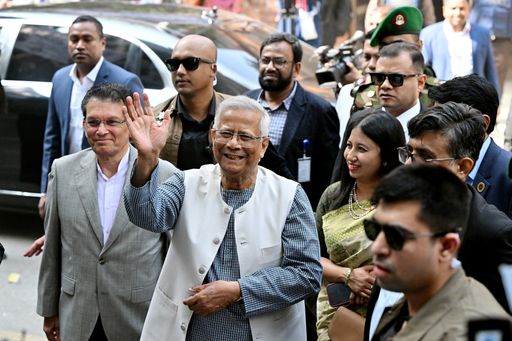
Much of that voter confidence eroded over the following 15 years due to allegations of irregularities, corruption, extrajudicial killings, enforced disappearances, controversial elections, suppression of the media and opposition parties, among other concerns.
Also, BNP had won similarly in 2001. But their term ended amid allegations of widespread corruption, a rise in militancy, the persecution of opposition leaders, and other concerns.
The responsibility now rests with the BNP and the newly elected parliamentarians to deliver on their pre-election promises.
They must remember that the mandate they carry is a significant burden.
It will benefit the country and them only if they remain faithful to their commitments to the electorate who voted for them and who will scrutinise their actions closely.