 Syed Tashfin Chowdhury
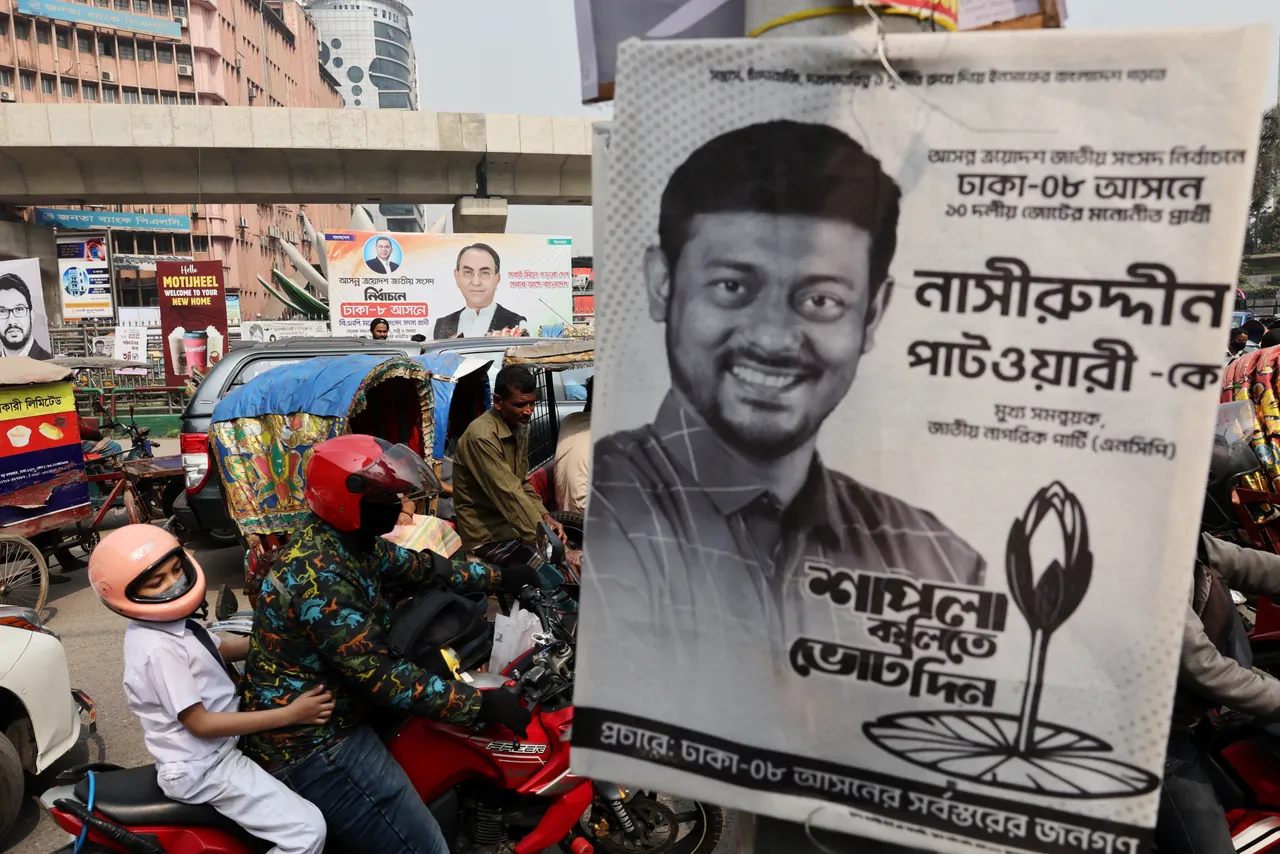
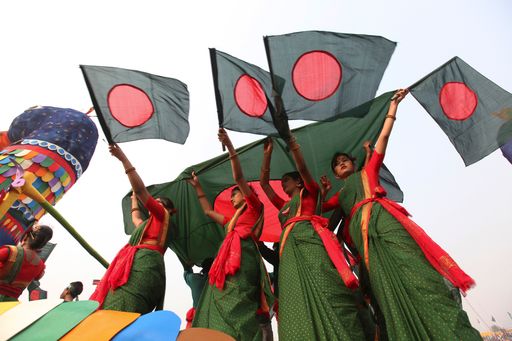
As Bangladesh prepares to hold its first‑ever simultaneous twin polls – the 13th parliamentary election and the July Charter referendum – on February 12, the run‑up to the vote is being closely watched by governments around the world.
Unlike previous election cycles, international attention on Bangladesh is no longer dominated by Western capitals alone.
Instead, Dhaka now finds itself navigating a multipolar landscape in which Global South actors, driven by trade, labour, defence, and energy interests, play an increasingly decisive role, often with fewer political conditions attached.
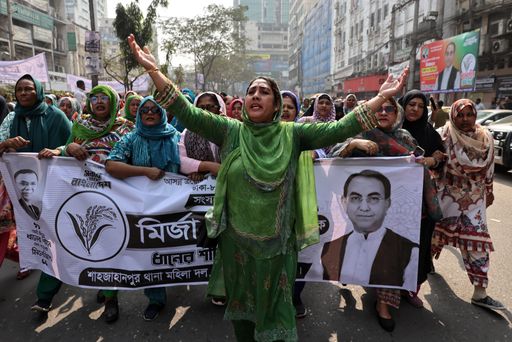
This will be Bangladesh’s first national election since the ouster of Sheikh Hasina in August 2024 and the installation of an interim governing structure, a break from more than a decade of elections conducted under a single dominant political order.
Once, Bangladesh’s elections and democratic processes were monitored primarily by Western nations such as the US, UK, Canada, and EU member states.
However, in recent election cycles, countries like China, India, Türkiye, and the Gulf Cooperation Council (GCC) states have increasingly joined, and in some cases overtaken, this circle of attentive observers.
Analysts note that while growing Global South partnerships contribute to this trend, each country’s interest is shaped less by normative democracy promotion and more by pragmatic calculations tied to Bangladesh’s socioeconomic stability, minority rights, bilateral relations, and the security landscape of South Asia’s second‑largest economy.
It is widely believed that these geopolitical actors will seek to deepen their engagement with Bangladesh in the coming decade, provided a democratically elected government takes the necessary steps to ensure sustainable economic growth and political stability.
Labour migration partnerships and energy security
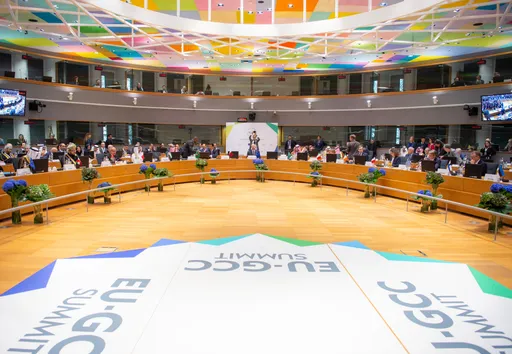
The Gulf remains Bangladesh’s largest overseas labour destination, hosting around five million Bangladeshis across GCC member states, a presence that continues to shape both remittance inflows and bilateral cooperation.
In 2024 alone, Bangladesh sent 1,011,856 workers to the Gulf, with Saudi Arabia recruiting a record 628,000 Bangladeshi workers in just one year.
As a result, remittances from the Gulf not only fuel household incomes but also reinforce Bangladesh’s macroeconomic stability, a reality that incentivises Dhaka to prioritise deeper ties with GCC nations regardless of political transitions.
“Gulf states, and countries like Türkiye, for example, aim to expand influence corridors and labour migration partnerships in Bangladesh,” says Shahab Enam Khan, Professor of International Relations at Jahangirnagar University.
“In an era of transactional multipolarity, electoral outcomes carry immediate economic consequences for these stakeholders,” he tells TRT World.
Saudi Arabia, in particular, has become Bangladesh’s fastest‑growing Middle Eastern trade partner, with bilateral commerce reaching $2 billion in 2024–25, and projections suggesting this could surpass $3 billion by 2026.
More than three million Bangladeshi workers in the Kingdom generate over $5 billion in annual remittances.
In October last year, the launch of the Saudi Arabia–Bangladesh Chamber of Commerce and Industry created the first institutional platform dedicated to expanding cooperation in garments, IT, digital finance, skilled manpower, and investment.
Bangladesh’s relationships with other GCC states have also strengthened. Oman remains another major partner, hosting around 800,000 Bangladeshi workers who sent nearly $924 million in remittances in 2024–2025.
Bilateral cooperation is expanding into renewable energy, agriculture, climate resilience, and technology.
Other major labour destinations, including Qatar, Kuwait, the UAE, and Bahrain, primarily employ Bangladeshi workers in construction, domestic service, and the service sector.
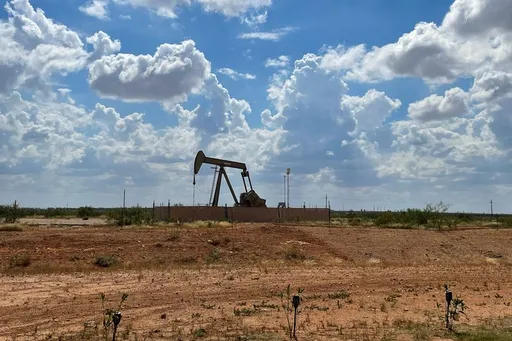
Saudi Arabia and the UAE are also investing heavily in Bangladesh’s energy sector, with a strong focus on renewable energy, LNG‑based power, and infrastructure development.
According to Khan, “Gulf partnerships with Bangladesh will increasingly formalise around labour migration governance and energy security.”
From trade and defence to humanitarian cooperation
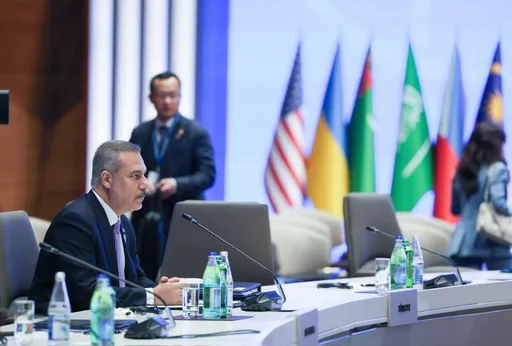
During the 4th Political Consultations held on October 7, 2025, in Dhaka, Türkiye and Bangladesh reaffirmed their commitment to strengthening ties built on mutual respect, cultural affinity, and democratic values.
Bangladesh expressed appreciation for Türkiye’s support during the political transition of 2024, while Türkiye reiterated its commitment to Bangladesh’s institutional development, governance reforms alongwith cooperation in education, culture, science, and technology.
“Türkiye is more involved in Bangladesh now because they want to safeguard their investments,” Imtiaz Ahmed, retired professor of International Relations at the University of Dhaka, tells TRT World.
He notes that Ankara now appears more invested in ensuring Bangladesh’s democratic practices, an area long dominated by Western diplomatic engagement since 1971.
This heightened interest is reinforced by growing bilateral trade. In 2023, trade exceeded $1.1 billion, with Bangladesh exporting $495.81 million and importing $380.3 million.
Türkiye’s exports reached $427.98 million in 2024, driven by cotton, machinery, electronics, and defence‑related products. Both sides hope to raise bilateral trade to $3 billion.
Defence ties have also entered a strategic new phase.
Dhaka and Ankara are close to finalising a Defence Framework Agreement that would institutionalise joint production, technology transfer, and logistics support, marking Bangladesh’s first major integrated defence partnership outside its traditional suppliers.
Türkiye has deployed advanced armed drones and air defence systems in Bangladesh, while a landmark deal involving Türkiye’s SIPER long‑range air defence system and co‑production of combat drones is underway.




In humanitarian engagement, Türkiye has remained one of Bangladesh’s strongest international supporters on the Rohingya crisis.
Through a field hospital, multipurpose training centres, psychosocial support programmes, and earlier offers to take responsibility for up to 200,000 Rohingya refugees in a proposed ‘Turkish Zone’, Ankara has positioned itself as a significant humanitarian partner.
“It is evident that bilateral relations will continue to grow, depending on the maturity and efficiency of the next elected government in Bangladesh,” Ahmed adds.
Transitioning to the next level
In late January, the Bangladesh Air Force (BAF) and China’s state‑owned CETC International signed a government‑to‑government deal to establish a UAV manufacturing and assembly plant.
Security and defence cooperation continue to anchor the China‑Bangladesh relationship, with China as Dhaka’s primary military supplier — and the only country with which Bangladesh has signed a defence agreement.
China is also Bangladesh’s largest trading partner, with bilateral trade reaching $19 million in 2024.
During chief adviser Muhammad Yunus’s 2025 visit to Beijing, both countries signed an agreement on economic and technological cooperation and eight MoUs covering culture, media, health, and economic zones.
The Belt and Road Initiative (BRI) has significantly reshaped Bangladesh’s economic landscape, driving imports from $6.4 billion in 2012 to $20.2 billion in 2022.
Chinese investments in megaprojects, including bridges, highways, railways, power plants, and industrial parks, remain essential to Bangladesh’s development ambitions.
Khan explains: “Global South partnerships operate on transactional reciprocity rather than conditionality‑laden frameworks.”
He, however, warns that while such partnerships enable fast financing and defence diversification, they lack the institutional safeguards of multilateral arrangements.
Eloving relationships in a shifting region
India–Bangladesh relations have deteriorated sharply since Sheikh Hasina’s ouster. As Bangladesh faced an uprising that left more than 1,400 dead, reportedly involving law‑enforcement officials and ruling‑party activists, New Delhi granted Hasina refuge.
Many former ruling party leaders and activists are also believed to be in India. India has refused to extradite her despite formal requests following her conviction.
Hasina’s close alignment with India has become a source of resentment, with many Bangladeshis linking New Delhi to her authoritarian drift in her final years. This has fuelled a surge in anti‑India sentiment.
Since 2024, India has grown increasingly wary of Bangladesh’s expanding diplomatic networks, particularly Dhaka’s warming ties with China, Pakistan, and Türkiye.
Maritime cooperation between Bangladesh and Pakistan, trilateral engagements involving China, and closer defence exchanges have unsettled New Delhi.
India has responded by halving financial assistance and tightening import rules on Bangladeshi goods.
Despite this, India remains deeply invested in Bangladesh’s upcoming elections. Analysts note that New Delhi is effectively waiting for an elected government before attempting a diplomatic reset, viewing the post‑poll period as its best chance to restore stability to a historically important relationship.
“India has always been interested in Bangladesh’s politics,” says professor Ahmed. “But their criticism stems from the fact that they aligned themselves with one political party in Bangladesh for the last 15 years.”
The growing anti-India sentiments in Bangladesh have also played out well for Pakistan.
Since August 2024, Bangladesh-Pakistan ties have developed to a stage that is unlike any other time in Bangladesh’s 54-year history.
In January of this year, Bangladesh reinitiated direct flights between Dhaka and Karachi after a 14-year hiatus. This is expected to increase connectivity and boost trade between the two countries. Cultural and business ties have also gained momentum between the two nations.
Last week, Pakistan announced its decision to forfeit its match against India in the T20 World Cup in support of Bangladesh.
Regardless of which political party comes to power in Bangladesh following the election, experts feel that ties between Bangladesh and Pakistan are likely to foster further, with China acting as a common friend.
Just days ahead of Bangladesh’s first post-Hasina election, the vote is shaping up to be a test of whether Dhaka can sustain a more autonomous foreign policy in an increasingly transactional world.
Global South partnerships – spanning labour migration, defence production, energy security, and infrastructure – offer speed, scale, and flexibility that Western engagement often lacks.
Yet these relationships also demand greater strategic discipline, as they come with fewer institutional safeguards and limited recourse when interests diverge.
Whether Bangladesh can balance these competing forces, maintaining democratic credibility while leveraging multipolar partnerships, may ultimately determine not only the legitimacy of its next government, but its place in the evolving global order.