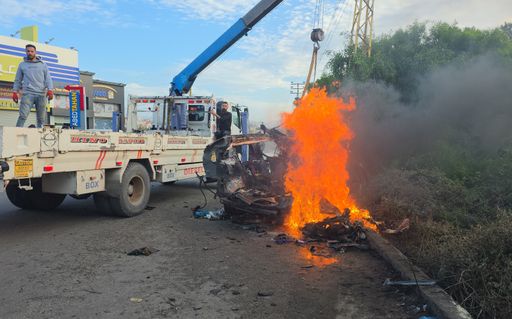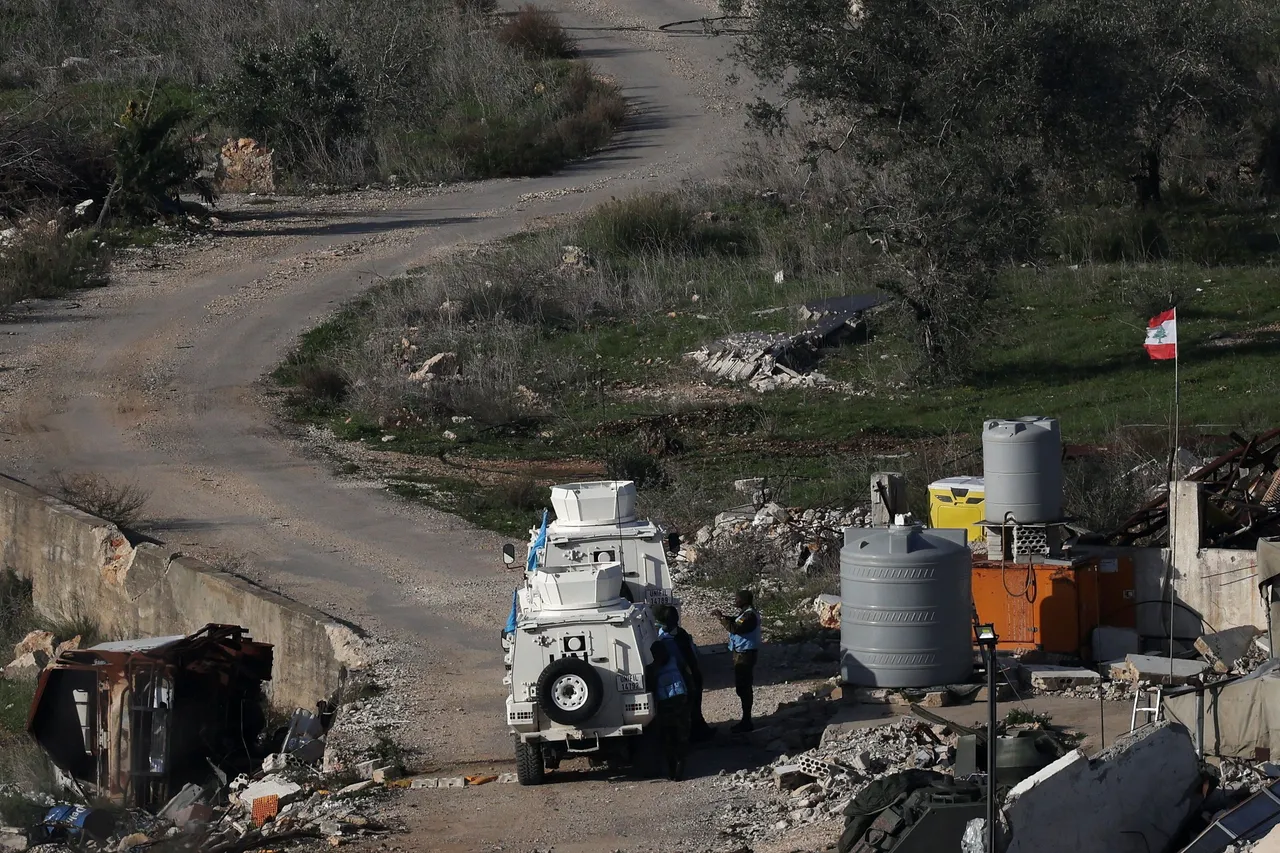
The United Nations has said it is aware of reports that Israel sprayed a herbicide over areas near the Blue Line in southern Lebanon, prompting renewed concerns about environmental damage and potential long-term impacts on civilian life.
“We are aware of reports that the substance dropped over areas near the Blue Line on 1 February is a herbicide,” UN spokesperson Stephane Dujarric told reporters on Thursday, responding to questions about the incident involving the UN Interim Force in Lebanon (UNIFIL).
Dujarric said the alleged use of herbicides “raises questions about the effects on local agricultural lands and how this might impact the return of civilians to their homes and livelihoods in the long term.”
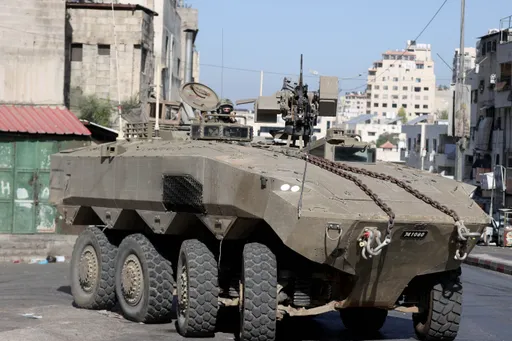
He reminded all parties of their obligations under international humanitarian law and stressed that “any activity by the IDF (Israeli Army) north of the Blue Line is a violation of resolution 1701,” the UN Security Council measure that ended the 2006 Lebanon-Israel war.
“UNIFIL will continue to be in contact with the Lebanese authorities on this matter,” he added.
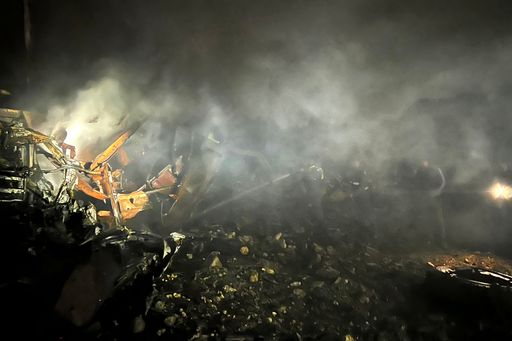
Israel’s ‘unacceptable’ aerial activity
Earlier this week, UNIFIL said the Israeli army had informed the mission of a planned aerial activity to drop what Israel described as a “non-toxic chemical substance” over areas near the Blue Line.
The peacekeeping force called the activity “unacceptable,” citing risks to the health of its personnel and nearby civilians, as well as possible environmental consequences.
The latest reports come against the backdrop of extensive agricultural damage in Lebanon from previous hostilities.
In December 2025, Lebanon’s Agriculture Ministry forwarded to the Foreign Ministry a UN Food and Agriculture Organization report estimating direct damage to the agricultural sector at about $118 million, with broader economic losses exceeding $586 million.
Southern Lebanon and the Bekaa Valley were identified as the hardest-hit regions.
A 2024 ceasefire between Lebanon and Israel was supposed to end more than a year of cross-border attacks that killed over 4,000 people and wounded 17,000 others amid Israel’s war in Gaza.
Under the deal, Israeli forces were meant to fully withdraw from southern Lebanon in January 2025, but they only partially pulled back and continue to maintain a military presence at five border outposts.