US Secretary of State Marco Rubio said “good progress” is being made on drafting a UN resolution for an international stabilisation force in Gaza, stressing that rather than a combat unit, the force will be vital to securing areas as humanitarian aid and reconstruction efforts expand.
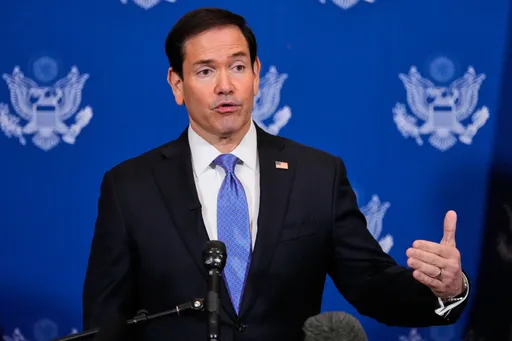
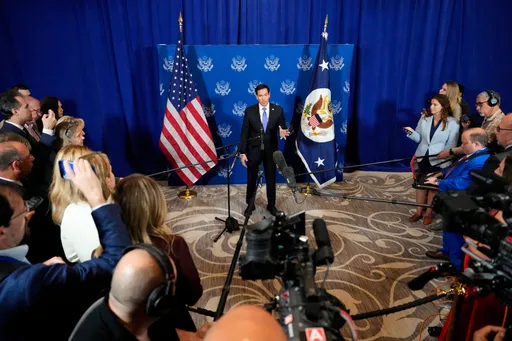
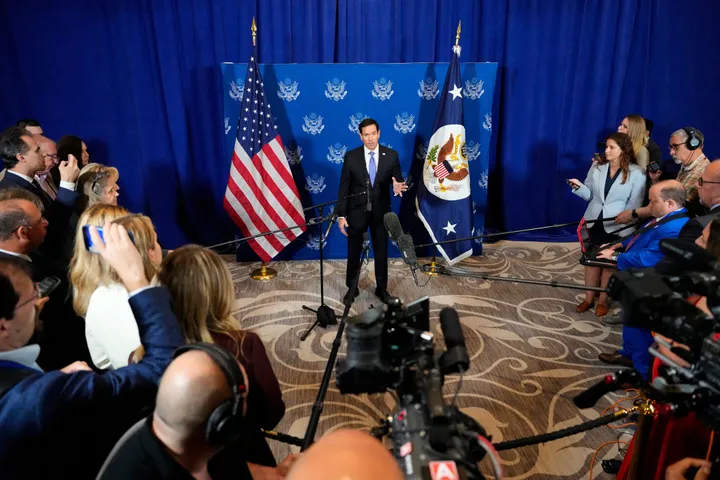
Speaking to reporters on Wednesday after a G7 foreign ministers' meeting in Canada, Rubio said an updated draft of the resolution is still being refined with input from multiple countries and that Washington hopes to see action on it “very soon.”
“It needs to be done the right way,” he said, adding that the US is working to balance the interests of various nations involved.
“We don’t want to lose momentum on this.”
While the stabilisation force is not intended to carry out raids or engage in fighting, Rubio said it will be necessary to provide basic security in areas not under Israeli control as Hamas is required to disarm under the agreement all the parties endorsed.
“If you want to really flood Gaza, particularly in that red area that’s not in Israeli control – if you really want to see a huge uptick not just in humanitarian assistance but redevelopment, you’re going to need to have security, and that can’t be Hamas,” he explained.
“So there will have to be a force that provides just basic everyday security. That’s as much as anything else what the stabilisation force’s role is, is to stabilise.”
‘There won’t be a yellow line’


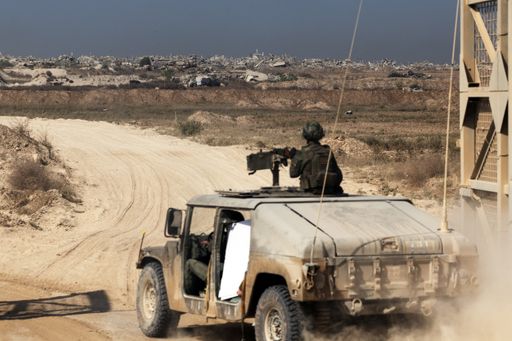
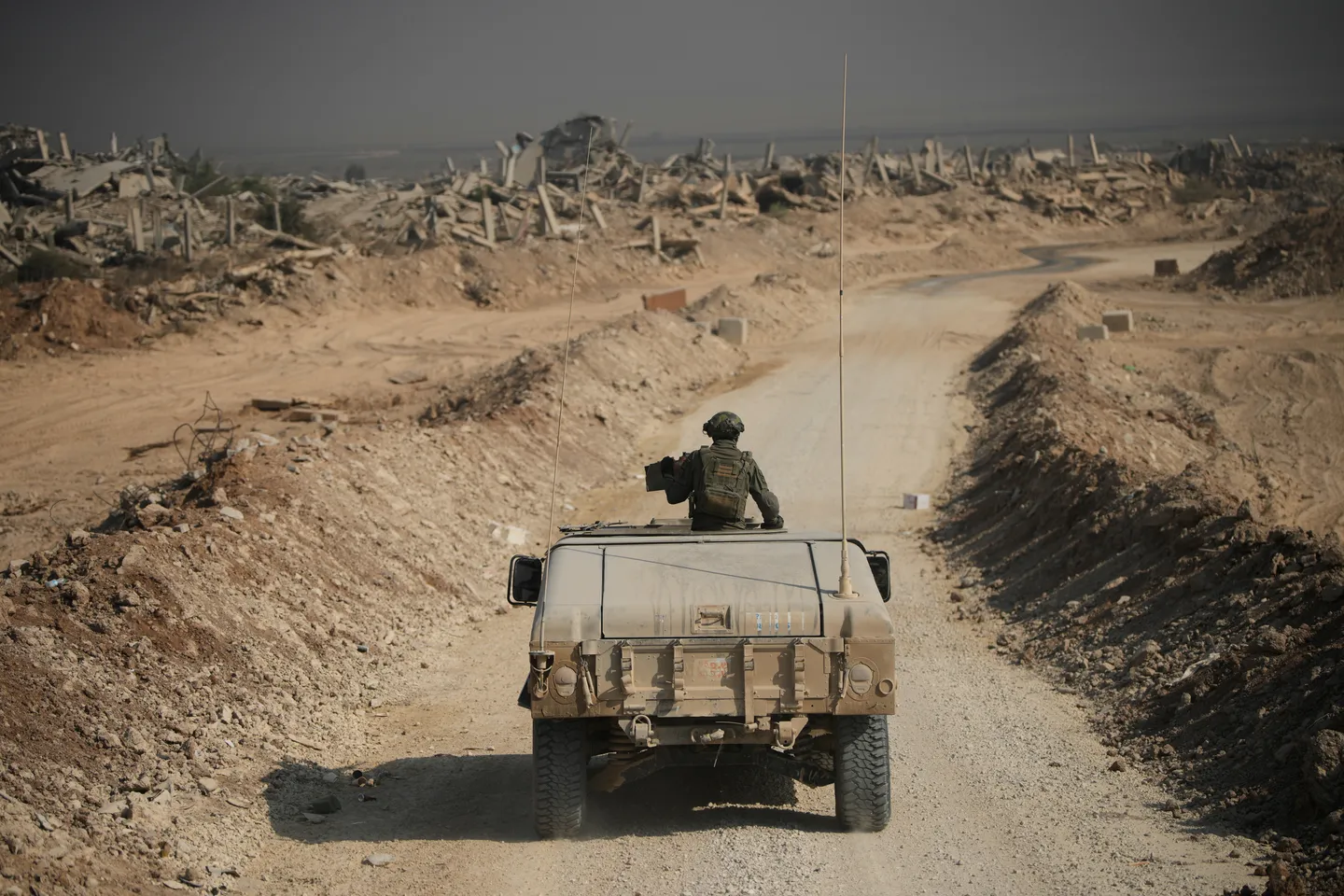
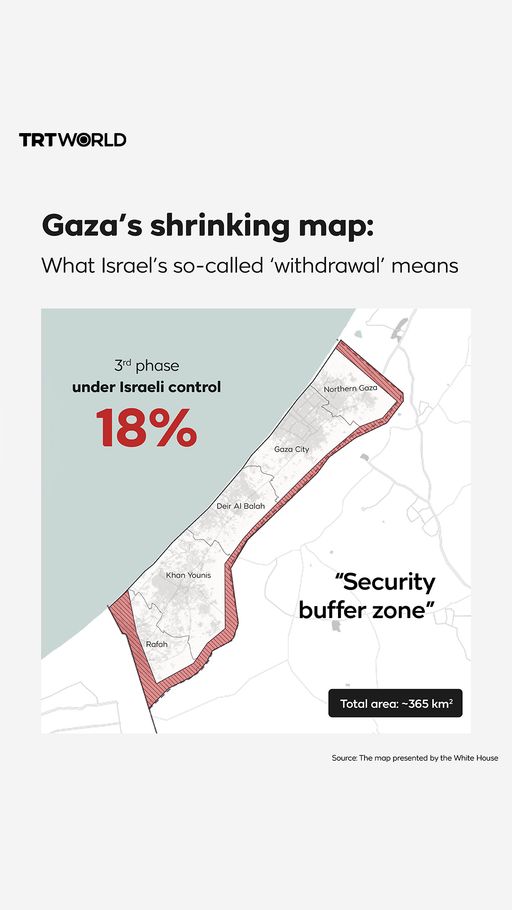
Under the first stage of the US President Donald Trump-led Gaza truce plan, which took effect on October 10, the Israeli military currently controls 53 percent of the Palestinian enclave’s territory, including much of its farmland, along with Rafah in the south, parts of Gaza City and other urban areas.
Nearly all of Gaza's 2 million people are crammed into tent camps set up among the rubble of shattered cities across the rest of Gaza.
The next stage of the plan foresees Israel withdrawing further from the so-called yellow line agreed under Trump's plan, alongside the establishment of a transitional authority to govern Gaza, the deployment of a multinational security force meant to take over from the Israeli military, the disarmament of Hamas and the start of reconstruction.
Rubio stressed that the long-term goal is a Gaza governed by a credible civilian Palestinian body rather than Hamas or any foreign power.
“Eventually, there won’t be a yellow line,” he said, referring to the divide between Hamas-controlled and non-Hamas areas.
“There should be a civilian Palestinian organisation that runs Gaza, and that’s the goal … to stand that organisation up, give it capacity, allow it to grow in both capability and credibility, and ultimately it will govern Gaza,” he said.
He added that Israel does not want to administer the territory, nor do the US or regional countries, making interim security arrangements essential as Palestinian governance capacity is rebuilt.