July 25, 2020
26:00
26:00
More Videos
The Case for Reparations | Bigger Than Five
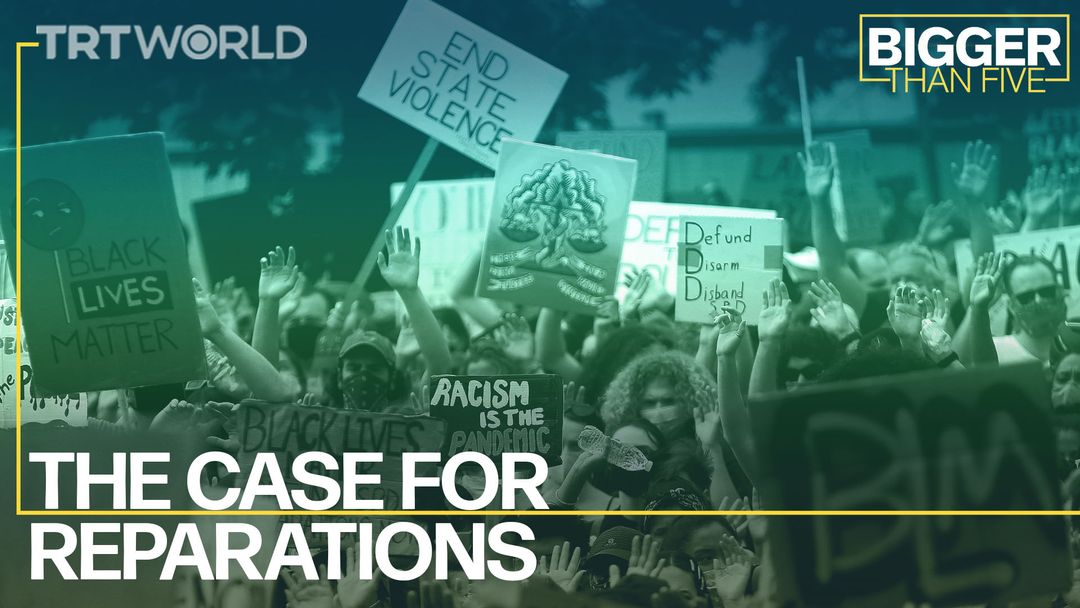
As the calls for racial justice get louder throughout the world, is it time for colonial powers and slave trading countries to atone for their sins by paying reparations?
Mobilized since the death of George Floyd, a black man killed by a white police officer in the US, the world has witnessed a reawakening over systemic racism.
Growing demands for racial justice have renewed the debate about apologies and reparations by former colonial powers and slave-trading countries to make amends for their crimes and past injustices.
Many countries are now grappling with their history. In France, protesters are calling for an end to discrimination against nonwhite descendants from former colonies. In the US, symbols of slavery and colonialism have been brought down, from statues of Confederate leaders to colonizer Christopher Columbus. The name of a former transit point for the transnational slave trade on Senegal's Goree Island, was changed from Europe Square to Freedom and Human Dignity Square. In Nigeria, Lagos State Assembly voted to rename all sites that still bear the names of colonial masters.
But this racial reckoning is evolving into a debate over what true reconciliation looks like. So are former colonial powers and slave-trading countries ready and willing to pay?
Guests:
Andrew Young
Former US Ambassador to the United Nations
Shirley Weber
California Assemblymember for District 79
Thomas Piketty
Economist, Paris School of Economics
More Videos
