Poland has detained two Ukrainians accused of collecting details of soldiers and critical infrastructure for foreign intelligence as Warsaw cracks down on alleged espionage by Russia and Belarus.
The two Ukrainians were among eight people whose detention by Poland and Romania was announced last week, said Tomasz Siemoniak, Minister in Charge of Special Services.
Poland says it has been targeted with tactics such as arson and cyberattacks in a "hybrid war" waged by Russia to destabilise nations that support Kiev in the war in Ukraine.
Russia, which launched a 2022 offensive on Ukraine, refutes the claims.
"This is evidence that we are witnessing an intensification of sabotage activities and preparations for sabotage cases," Siemoniak told Polish radio on Monday.
‘Contracts for foreign intelligence’
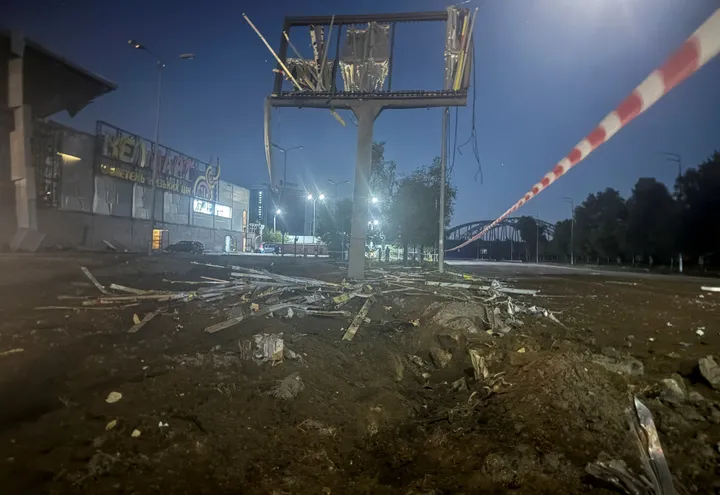






Poland's Internal Security Agency (ABW) said the two Ukrainian citizens, aged 32 and 34, were detained in the southern city of Katowice on October 14.
The ABW said in a statement that the suspects had allegedly collected information about members of the Polish Armed Forces and infrastructure related to efforts to support Ukraine.
It said it had found evidence that the suspects carried out "contracts for foreign intelligence, including reconnaissance of Poland's military potential, installation of devices for covert monitoring of critical infrastructure".
It said the suspects accepted payment for these services.
A court has ordered the suspects to be kept in custody for three months while they await trial.