Myanmar leader Min Aung Hlaing said his government would not comply with “inappropriate” aspects of an international court ruling that the state committed genocide against its Rohingya Muslim minority, state media said on Thursday.
Regarding the top UN court’s decision last week, the coup leader turned president said “Myanmar would take the actions appropriate for a responsible country but would not comply with requirements it considered inappropriate”.
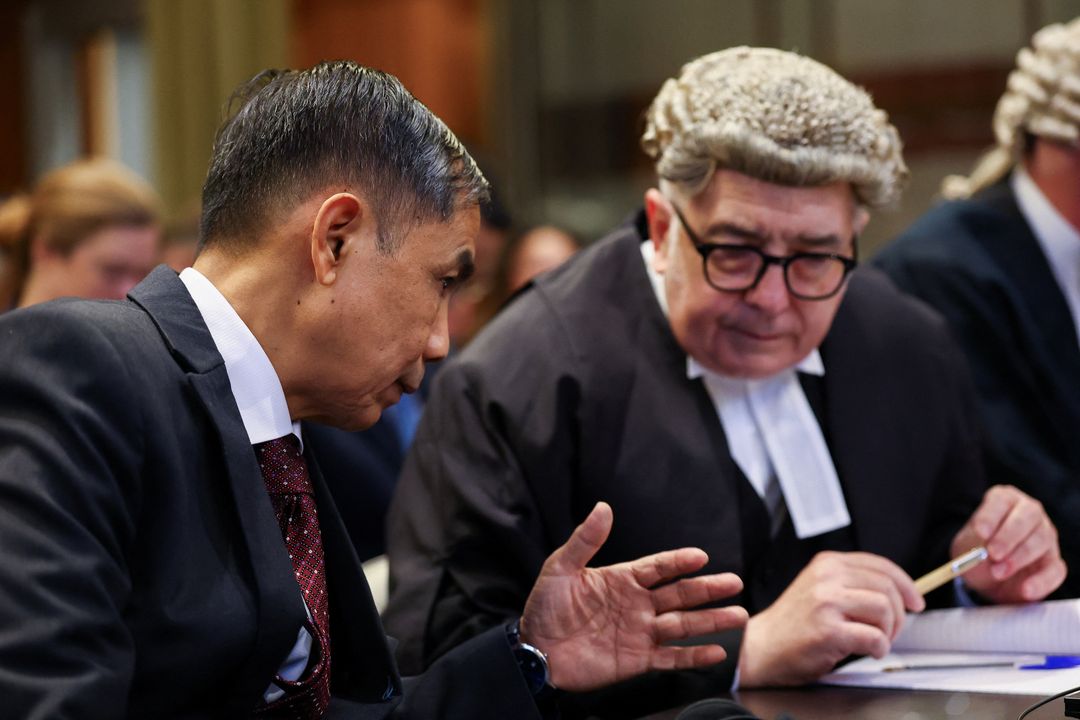
The International Court of Justice (ICJ) last week laid out searing evidence of Myanmar’s atrocities against the mostly Muslim Rohingya during a 2017 crackdown in western Rakhine state.
Myanmar’s security forces killed thousands of Rohingya civilians, committed “widespread sexual violence” against women and “extreme violence” against children, the court found.
Ex-general Min Aung Hlaing commanded the military during the Rohingya crackdown before ousting the elected government of Aung San Suu Kyi in a 2021 coup, triggering the ongoing civil war.
He was installed this year as civilian president following deeply restricted elections.
Speaking during a meeting on Wednesday, Min Aung Hlaing also called the ICJ case, brought by The Gambia, a “one-sided accusation” against Myanmar, according to the state-run Global New Light of Myanmar.
He said the “term ‘genocide’ had seriously affected the country’s reputation”, it added.
“As the country’s leader, he considered himself primarily responsible for all matters occurring in the country and would not accept any actions that undermined the nation.”
The ICJ ruling was the first in its 80-year history in which its judges determined that a state committed genocide.
The court ordered that refugees be given safe passage home and awarded compensation, with specific sums to be determined later.
Judges also told Myanmar it must investigate and punish anyone suspected of committing genocide.
While the decisions of the ICJ are binding and cannot be appealed, the court has no way of enforcing its verdicts.
Myanmar had always denied genocide, arguing that its actions targeted an armed insurgency after a series of attacks left a dozen security personnel dead.
But the ICJ ruling dismissed Myanmar’s argument that it was carrying out “counter-insurgency operations”.
“There is no evidence before the Court that, in the conduct of the clearance operations, Myanmar distinguished between civilians and alleged (Rohingya) fighters,” the judgment said.
On Friday, the Myanmar government described the ICJ decision as “a great disappointment” and “not fair”.
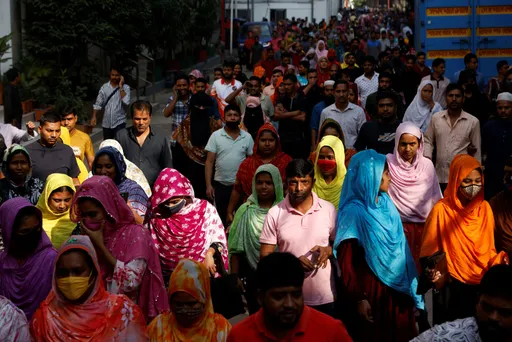
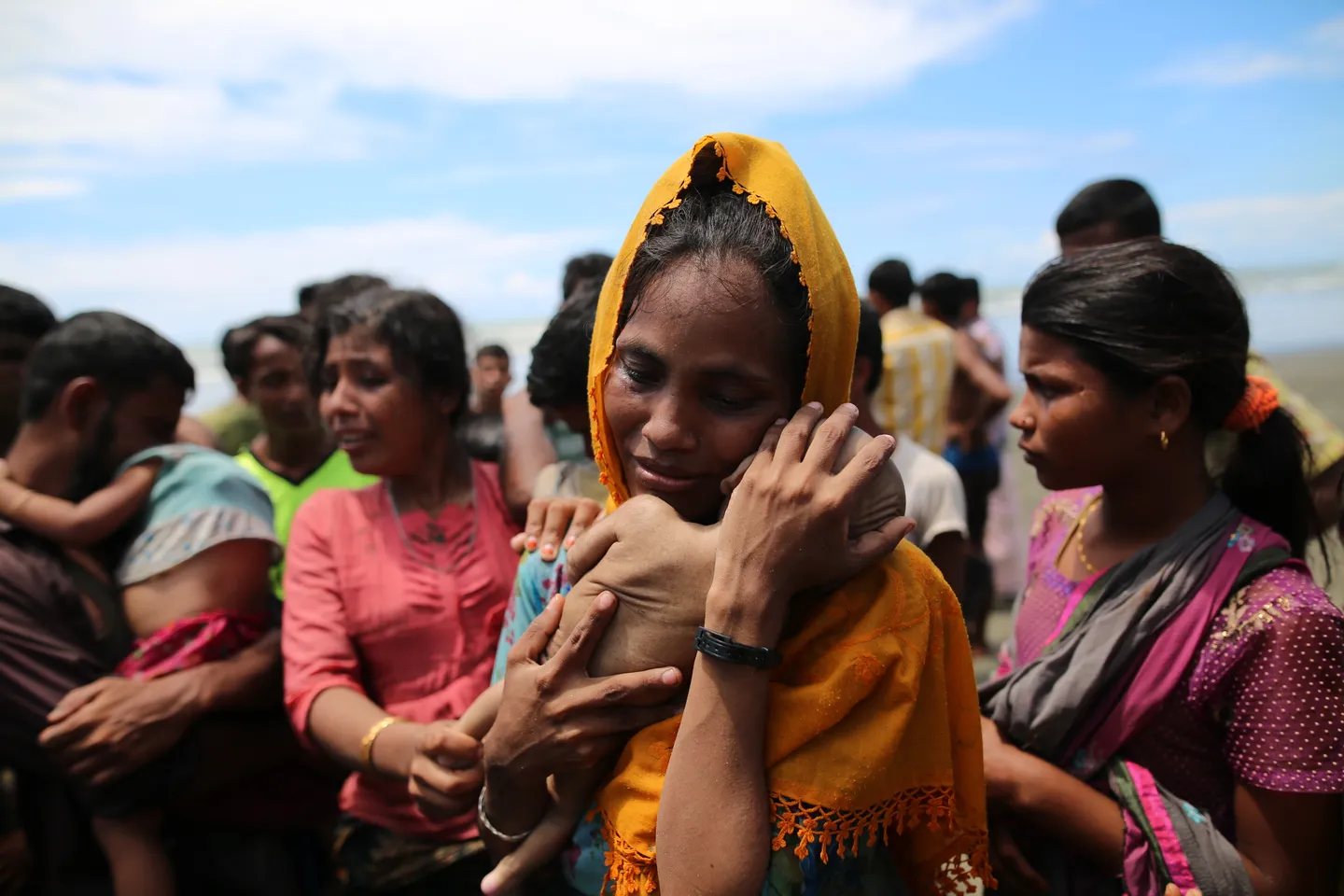
During Myanmar’s violent crackdown against the Rohingya Muslims, hundreds of thousands of people from the community were forced to flee into neighbouring Bangladesh, the court said.
Rohingya villages were “systemically destroyed” and replaced with non-Rohingya inhabitants, it said, ruling that the “only reasonable inference” was that Myanmar intended to destroy the population, a key test for genocide.
The ICJ case was brought by The Gambia under the 1948 UN Genocide Convention, which allows any state to bring a case against another it suspects of breaching the international agreement set up after the Second World War.