 Mustafa Aydin
Black Sea is a contested neighbourhood with constantly changing dynamics, complex realities, and clashing interests.
Its position in global connectivity, linking north to south and east to west, as well as its role as a vital trade route for oil and gas, are all important reasons for its increasing relevance.
Hence, it has become a hub of international players and a cauldron of geopolitical complexities, with several conflicts dotting its contemporary landscape.
With their far-reaching implications, it has come to “play a strategic role for global security, international trade, energy, and food security”, as a recent European Union document puts it.
Russia’s war on Ukraine in February 2022 – which sparked the biggest armed conflict in Europe since World War II – has heightened security concerns in the old continent, and across the larger Black Sea region.
The enhanced presence of NATO forces near the Black Sea, in response to perceived threats and as a demonstration of solidarity, has contributed to a broader regional standoff.
In other words, successive Russian offensives into Ukraine have not only disrupted the political and security dynamics but also inflicted instability within the region.
More recently, however, the US’s changing position under the Trump administration has forced regional countries and European Union members to reassess their security in connection with the perceived Russian threat in the Black Sea region.
While the announcement of the EU’s new Black Sea Strategy on May 28 last year once again emphasised its interest in the region, it has since been criticised as non-committal, like the earlier Black Sea Synergy policy of March 2010, and without clear guidance for the final aims, and a lack of appropriate policy options.
Why Türkiye matters
While EU-member Black Sea countries, Bulgaria and Romania, have positioned themselves to benefit from whatever the new policy might offer, non-EU NATO member Türkiye, with a long Black Sea coastline, has been left frustrated by Brussels not consulting with regional countries before announcing its new policy, already weakening the possibility of success.
Türkiye, since the end of the Cold War, has preferred a regional-solutions-to-regional-problems approach and has consistently opposed outside military involvement, lest it further destabilise the region.
The creation of the Black Sea Economic Cooperation Organization in 1992, the establishment of the Black Sea Naval Cooperation Task Group in 1998, and the deployment of Black Sea Harmony Operation in 2004 have all aimed at the same goal: enhancing collaboration among Black Sea countries, contributing to the region's stability, and engaging coastal states in discussions to foster mutual understanding, trade partnerships, and collaborative approaches to shared challenges.
However, the long-drawn Ukraine war has challenged these, forcing Türkiye to reassess its position in the wider Black Sea region.
While Türkiye found itself in a difficult position between its regional partners, as well as between Russia and the West, the policies it pursued—supporting Ukraine with weapons systems and condemning Russia while staying out of Western sanctions against Moscow—allow it to act as a mediator between the warring parties and increase its regional influence.
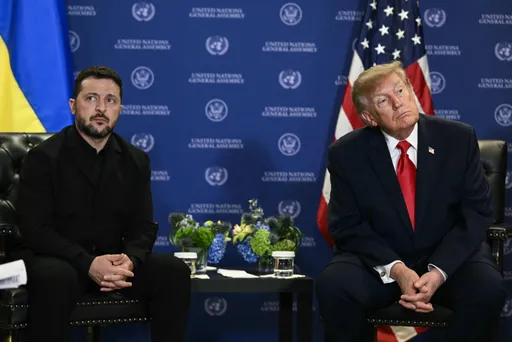
The Trump administration’s various attempts to obtain a ceasefire between Russia and Ukraine reinforce this position.
With US President Donald Trump tearing up the rulebook on trans-Atlantic cooperation and demanding that Europe pay for its own security needs, the continent has been forced to seek alternative security mechanisms in the new world order.
The ongoing discussions on providing credible security guarantees to post-war Ukraine and on sustaining European security in the absence of the US have crystallised the need to be inclusive of all European countries, going beyond the EU.
And this is where Türkiye has much to offer.
First, Türkiye’s much-talked-about defence sector is creating opportunities, connections, and alignments with Europe.
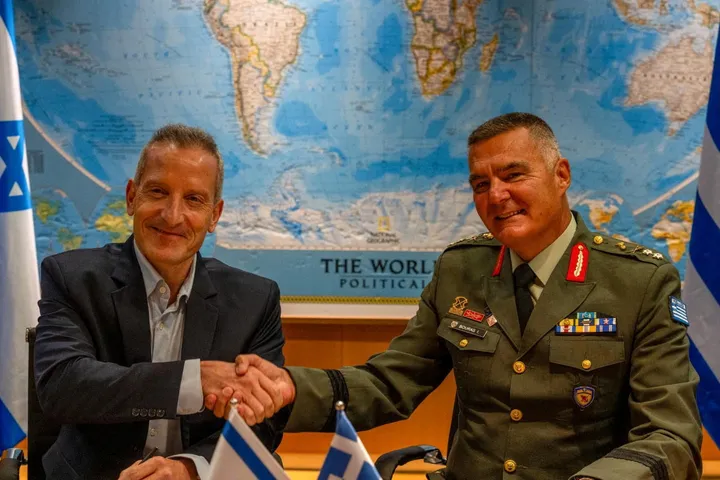

Turkish companies are already cooperating with several European countries (i.e., Spain, Italy, Poland, Romania, Hungary, and Germany) in the joint production of advanced weapon systems.
Further cooperation is expected if its participation in the Security Action for Europe (SAFE) proceeds.
Second, Türkiye’s experiences over the last decade in various geographies highlight areas where it could contribute to European security.
Acting alone without political or operational support from its allies, the Turkish military and/or Turkish-supported forces stood against foreign-backed forces in several regions.
The extent, rapidity, and precision of Turkish retaliation against the now-deposed Assad regime troops in Syria and foreign-made and operated missile defence systems in February 2020 were noteworthy.
Later, it allowed Türkiye to replicate similar strategies against third party-backed forces in Libya and the Caucasus. This affected allied perception of the Turkish military’s ability to adapt to changing conflict environments, tactics, and innovative use of new weapon systems.
Master of the skies
A new type of air warfare, involving the tandem use of armed UAVs, fighter aircraft, and airborne command-and-control systems, has boosted Türkiye’s operational capacity and earned international recognition.
The Turkish military’s recent experience in complex operational theatres in training friendly forces, drone warfare, joint and multi-layer operational techniques, urban warfare or counterinsurgency with law enforcement agencies, cross-border operations, and electronic warfare - combination of abilities that no other NATO country except the US has - highlights areas where Ankara could contribute to tactical, operational, and doctrinal capabilities of Europe.
In the last decade, Türkiye was able to fight against terrorist groups in Iraq and Syria, while at the same time keeping Assad’s forces at bay, supporting GNA forces in Libya and Azerbaijani troops in Karabakh, and maintaining its presence in the Aegean, Eastern Mediterranean, Turkish Republic of Northern Cyprus, and Qatar under intense international conditions.
While EU members had previously not been particularly keen on cooperating with Türkiye on broader European security, President Trump’s new policy, moving away from long-term US commitments to European security, is forcing European leaders to reevaluate their shared interests with Türkiye.
Thus, Türkiye has been invited to participate in pan-European discussions on the future European security structure and potential plans of the coalition of willing for Ukraine after a ceasefire.
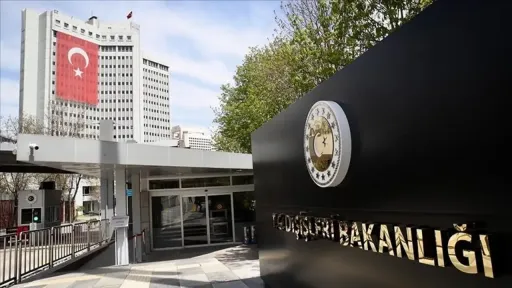
The extent of the talks prompted Turkish Foreign Minister Hakan Fidan to state that “new European defence architecture without Türkiye is unrealistic”.
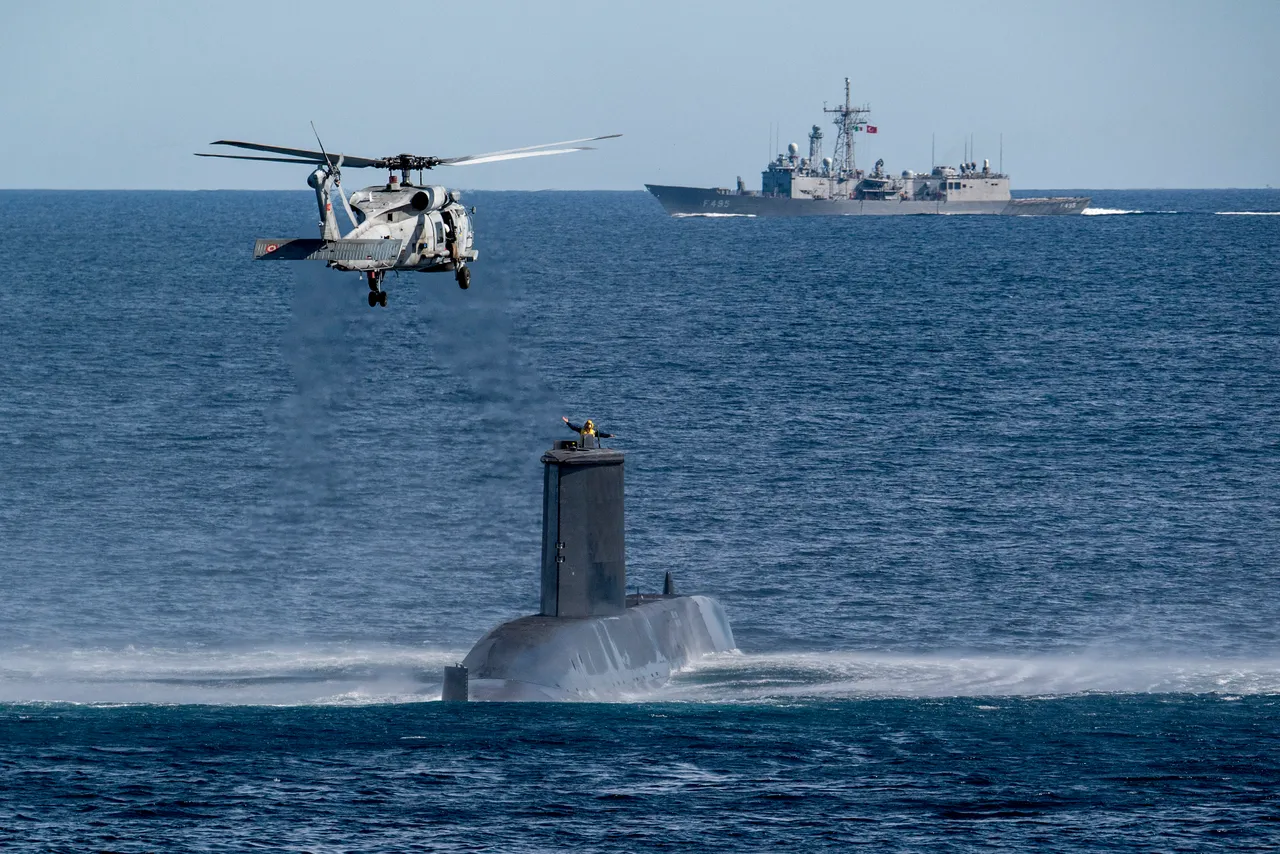
Türkiye’s offer to handle Black Sea naval security in the post-war environment is gaining traction among EU members.
While several bilateral issues that blocked greater cooperation in the past still need to be tackled, Türkiye’s willingness to contribute to post-Trump European security is welcomed in most European capitals.
Yet blockages by some EU members, driven by narrow-minded, self-serving individual interests aimed at extracting concessions from Türkiye, remain.
Genuine progress would happen when EU members finally recognise the futility of proceeding without Türkiye in securing the Black Sea, and indeed the wider European security.
From Türkiye’s perspective, Europe’s – as well as the Black Sea's – security can only be achieved when European actors understand that “contribution without representation” in decision-making is not an option.