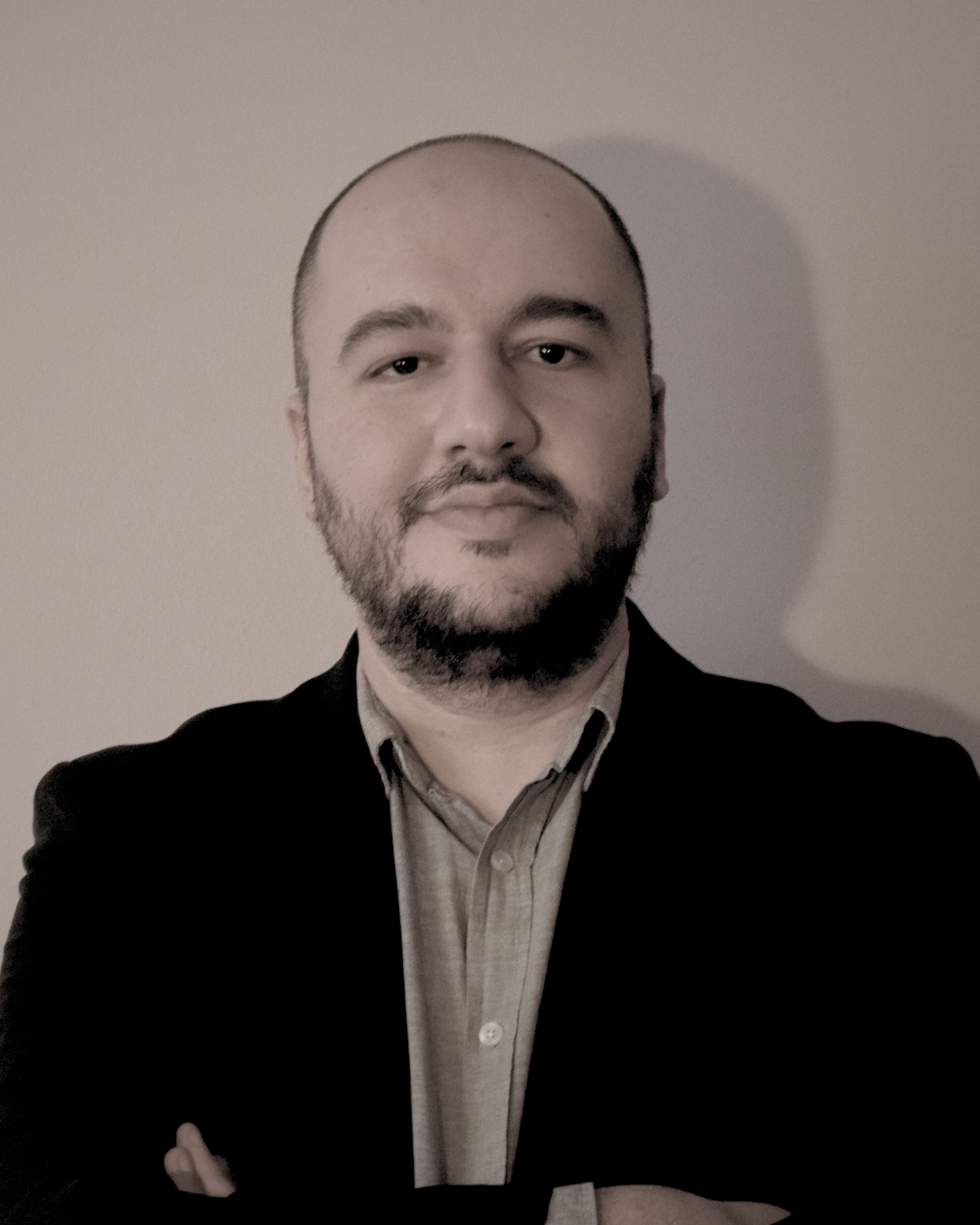
 Ahmet Isiktekiner
This November, Mali’s capital Bamako hosted its first-ever defence exhibition. The unusual part was not the venue or the timing. It was the fact that every single exhibitor was a Turkish company.
Why would such an event be held in a country with limited purchasing power, ranked by the IMF as the 15th-poorest state in the world in 2025?
Mali is not an attractive market financially, and the organisers did not pretend otherwise.
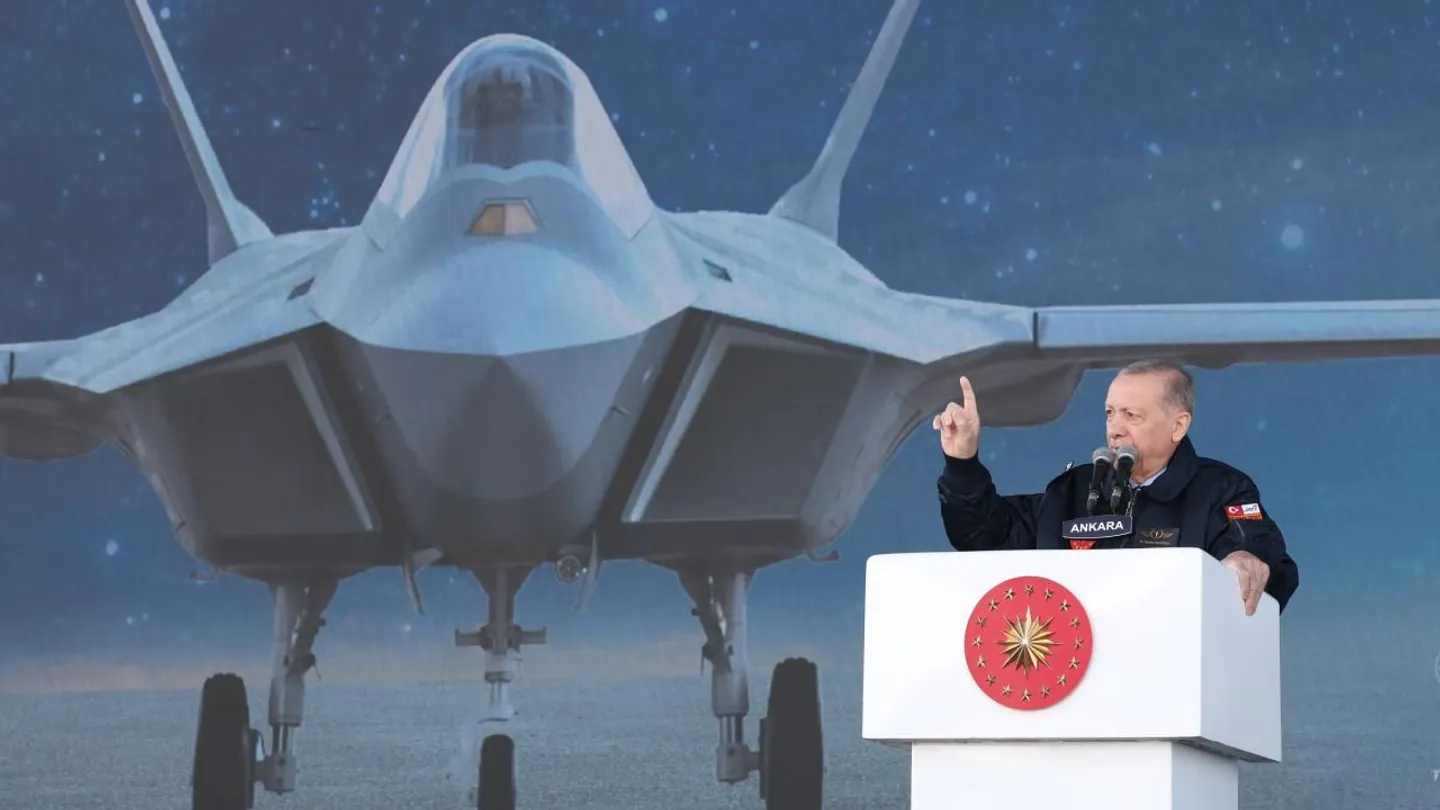
The answer is found in a speech President Recep Tayyip Erdogan delivered at this year’s Teknofest.
“Just as our war of Independence inspired the oppressed a century ago, our defence initiatives today give courage to the downtrodden,” he said at the country’s biggest technology and aerospace festival.
“From Palestine to Syria, Yemen to Somalia, Sudan to Libya, wherever there is suffering, they take pride in Türkiye’s achievements.”
This is the political frame in which Ankara places its defence industry. It is not presented as a story of profit or power projection, but as part of a larger foreign policy doctrine that centres on human dignity and the rights of vulnerable populations.
In recent times, this political framing has gained renewed relevance.
Last week, Türkiye became the largest participant at Egypt’s EDEX 2025 defence exhibition, a presence that reflected its broader outreach to Africa and the Arab world.
The expansion of Turkish firms across the continent, from training programmes to new offices such as Aselsan’s in Cairo, shows how defence engagement is being used to reinforce diplomatic ties.
And this framing increasingly shapes how Türkiye explains its defence build-up to its own citizens, to its partners across the Muslim world and to developing countries.
Sibel Duz, a defence and military expert at the Ankara-based Turkish think tank SETA, describes this interaction as a deepening strategic cycle.
“These two fields influence one another, and in recent years this interaction has become far more dynamic…Military technologies have become tools of diplomatic leverage and global visibility,” Duz tells TRT World.
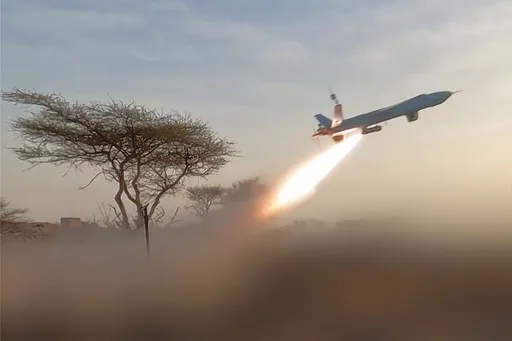
“The most concrete example is the rise of unmanned systems. Turkish UAVs have played decisive roles in several conflict zones, which in turn elevated Türkiye’s profile in international institutions and platforms.”
Duz adds that this export success has done more than provide economic gains and helped Türkiye cultivate geopolitical ties, shape competitive dynamics, deepen military cooperation with partners and open the door to more stable strategic relationships.
“In this sense, defence industry output has become not only a technical capability but also a diplomatic instrument that supports broader foreign policy objectives.”
Many of Türkiye’s platforms have gone beyond being just weapons systems and have become tools of diplomacy, with precision munitions designed to minimise civilian casualties and infrastructure damage.
This distinction is not theoretical, as witnessed in Türkiye’s military operations in northern Syria.
While forces aligned with the Assad regime, Moscow, Tehran and Washington often left large-scale destruction behind, Türkiye conducted surgical operations that prioritised civilian safety.
A sharp divergence from the West
Here, the contrast with Western defence discourse becomes hard to miss. In the United States and Europe, there is a clear return to the language of war.
President Donald Trump named the Pentagon the Department of War. Major European executives (like Rheinmetall’s CEO) are profiled by European newspapers as “warlords” whose companies turn conflicts like Ukraine into record order books and rising share prices.
Export policy reflects the same mindset: Selective embargoes, blocked licenses, and delayed upgrade packages.
Türkiye has experienced all of them. From US sanctions on engines and subsystems to Canada’s rapidly imposed and selectively lifted restrictions on drone optics, these pressures were neither new nor isolated.
Even as a NATO ally, Türkiye was unable to procure the Patriot system, a reminder that critical capabilities could be withheld despite formal partnerships.
Duz points out the structural difference.
“Western firms place great emphasis on high destructive power, and instruments such as embargoes and conditional technology access have become political tools,” she says.
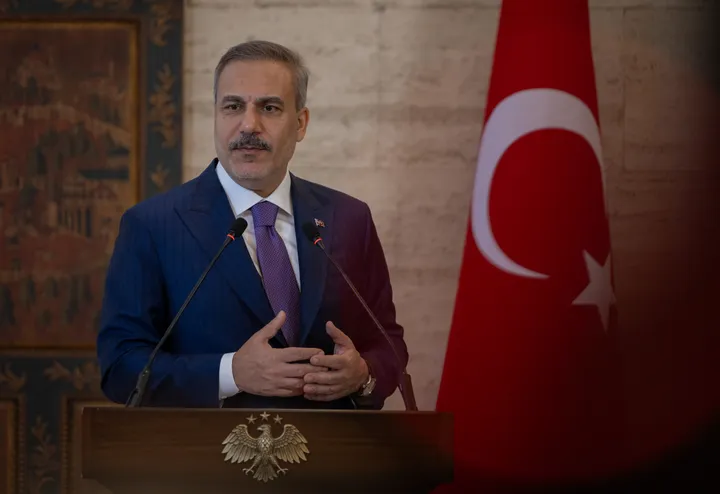
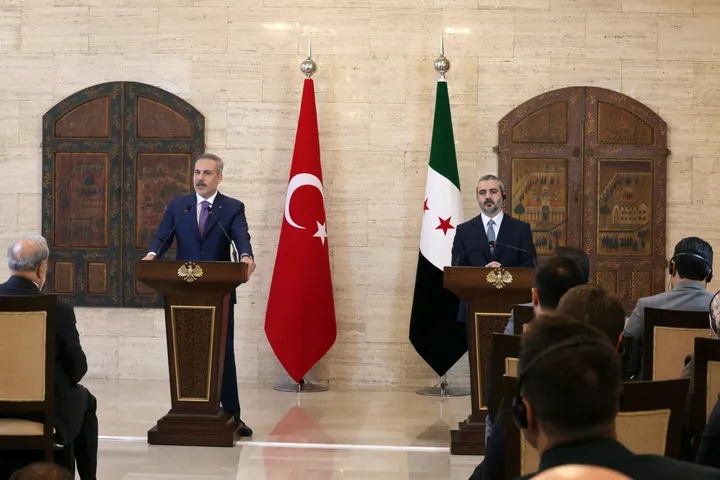

“Türkiye, on the other hand, prioritises human security and adopts models based on cooperation, technology sharing and capacity building.”
In other words, one side speaks the language of dominance, the other the language of partnership.
There is also a global paradox that exposes the gap between rhetoric and practice.
Many Western defence companies run highly polished “humanitarian aid” campaigns. But the same firms often produce the systems used to restrict or delay humanitarian access.
A striking example is Denmark’s Terma, whose SCANTER radars and C-Flex combat systems were installed on Emirati vessels involved in Yemen’s coastal control operations.
These vessels were documented to have obstructed or delayed humanitarian shipments bound for Hudaydah and Salif, meaning the systems onboard became part of the apparatus that restricted aid from reaching civilians during a severe humanitarian crisis.
Investigations by Lighthouse Reports and Danwatch later confirmed that these platforms played a role in slowing or blocking UN-authorised deliveries, even as Terma promoted its corporate donations to relief organisations.
This is the contradiction – the same company donating to humanitarian relief was supplying systems used in operations that hindered that very relief.
Wider examples follow the same pattern. Many Western firms supplying weapons to Israel continued uninterrupted sales throughout the Gaza war despite international appeals and reports of civilian harm.
Türkiye’s largest defence exporter, Baykar, chose a different position.
As Israel continued its genocidal war on Palestinians, Baykar announced 286 million lira (USD 10 million) in humanitarian assistance to provide food, medicine and emergency supplies to Gaza.
Whatever one thinks of Türkiye’s policies, this was not a PR gesture. It aligned with the government’s broader narrative that defence capacity and moral responsibility cannot be separated.
The big picture
The story also goes deeper into Türkiye’s strategic memory.
For decades, from the Cyprus embargo to recent restrictions on UAV components, Türkiye has lived under cycles of dependency and denial.
This shaped an instinctive belief among Turkish policymakers that self-sufficiency is not optional; it is survival.
Duz explains how this affects Türkiye’s export philosophy. “For Türkiye, this is not a buyer-seller transaction. The other party is not merely a customer. Our approach is to build partnerships, share capacity and open space for new actors rather than reinforce monopolies.”
This is why countries facing similar restrictions from North Africa to Central Asia and West Africa see Turkish systems not only as affordable equipment but as political reassurance.
Where Western security debates often emphasise deterrence, escalation and market considerations, Türkiye frames its defence outreach through themes of justice, solidarity and the right to self-defence.
This language has found an audience in regions that have experienced colonial legacies, selective arms embargoes or inconsistent human rights standards.
At the start of this year, Türkiye’s decision to donate armoured vehicles to Gambia was the most recent example.
Around the same time, Ankara concluded a Military Financial Cooperation Agreement with Niger during IDEF 2025 and signed a military training agreement with Chad as part of its broader regional engagement.
In official narratives, Türkiye often draws a parallel between its historical struggle for independence and its contemporary effort to reduce external dependence in defence, a process shaped by past embargoes, export denials and shifting political conditions.
For states that face comparable constraints, Türkiye’s experience is frequently cited as an example of how a country can respond to supply vulnerabilities by developing domestic capacity and diversifying sources of support.
Ankara frames this approach through the language of self-defence, arguing that access to security capabilities should not be limited to major powers.
The message finds an audience not because it is ideological, but because it reflects challenges many countries encounter in navigating an uneven global defence landscape.