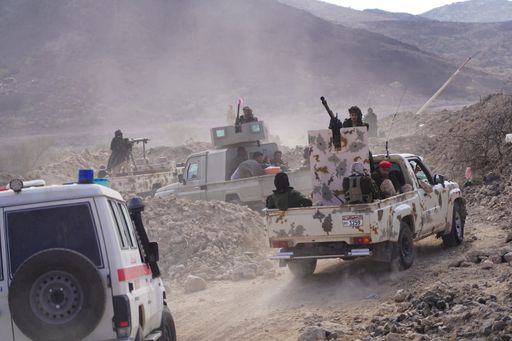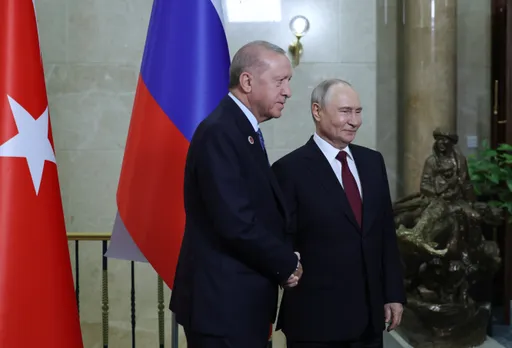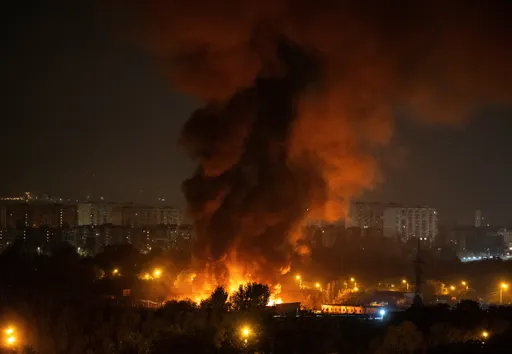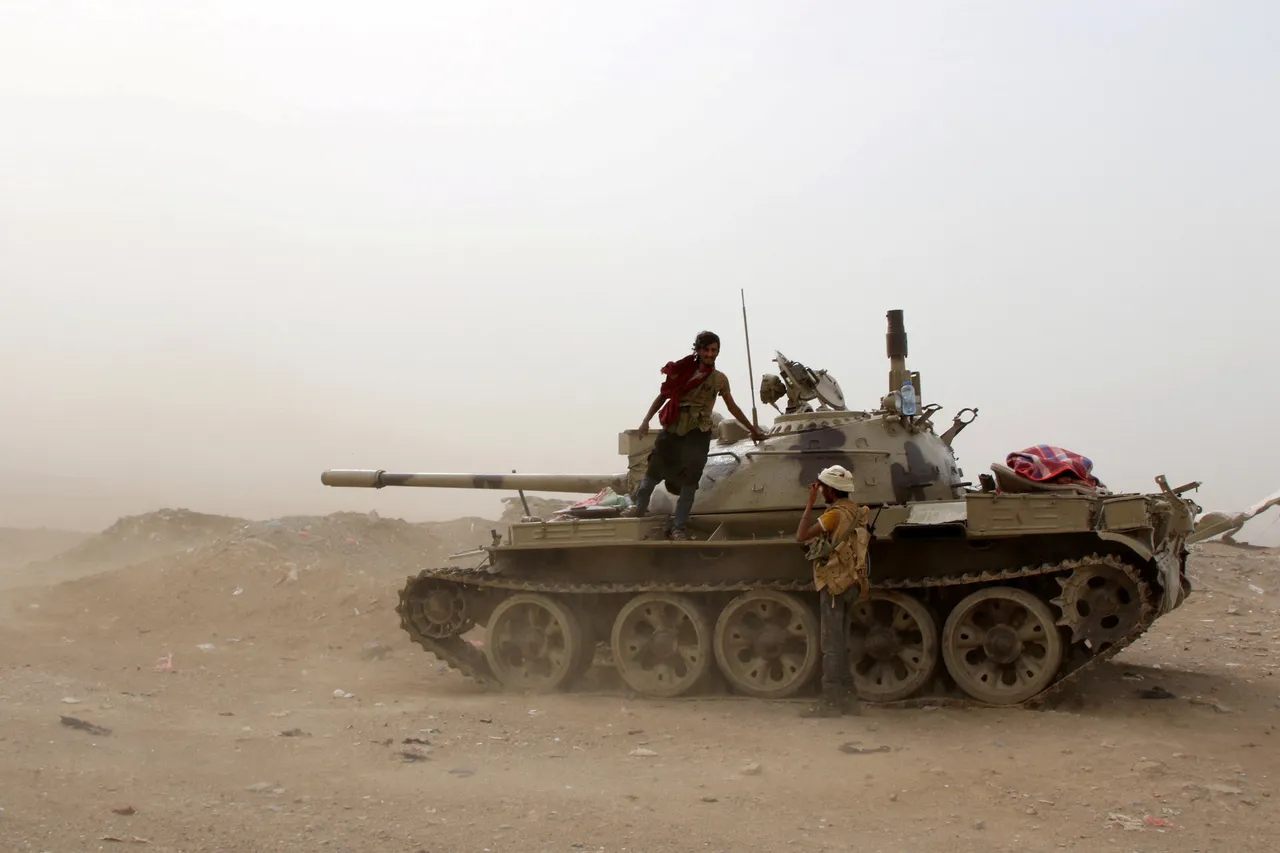
On Tuesday, a Saudi-led coalition targeted a large quantity of weapons and combat vehicles — destined for UAE-backed separatist Southern Transitional Council (STC) forces —that were being offloaded from ships at a port in Yemen.
Historically its ally, Saudi Arabia slammed the UAE for backing STC, which has recently claimed control over swathes of territory in southeastern Yemen. This marked the most significant escalation between the two Gulf nations.
The STC has been part of the coalition fighting alongside the internationally recognised government against the Iran-backed group Houthis, which holds Yemen's capital, Sanaa, and the heavily populated northwest.
The Houthis gained global prominence after the start of Israel’s genocidal war on Gaza in October 2023, when they started attacking commercial vessels in the Red Sea in what they said was solidarity with Palestinians in Gaza, prompting the US and Israel to carry out strikes on Houthi targets. The Houthis have stopped their strikes since an October 10 ceasefire came into effect between Israel and Hamas.
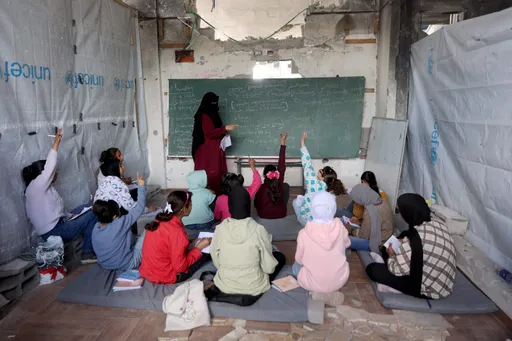
The over two-decade conflict in Yemen has led to a devastating humanitarian crisis, with the UNICEF reporting in March 2025 that one in two children under five in Yemen is malnourished.
What is behind the current escalation in Yemen?
The unification
Yemen, situated between Saudi Arabia and an important shipping route on the Red Sea, was split into northern and southern states until 1990.
South Yemen agreed to unification with the north after a factional civil war in 1986 that wiped out its political leadership, and as its main financial patron, the erstwhile Soviet Union, collapsed.
Meanwhile, in the north, the Houthis emerged in the late 1990s, fighting guerrilla wars against the government.
The vast majority of Houthis are followers of Zaidi Shiaism and are backed by Iran.
In 2004, the group's founder launched a rebellion against the state, leading to six wars between 2004 and 2010. The group is led by Abdul Malik al Houthi.
Arab spring
Protests erupted across Yemen in January 2011, calling for an end to President Ali Abdullah Saleh’s 33-year rule.
Key tribal groups and military commanders defected to the opposition, triggering clashes in the capital, Sanaa.
Saleh was seriously wounded in a June bombing and flown to Saudi Arabia for treatment before returning months later.
In November 2011, Saleh finally signed a deal transferring power to his deputy, Abdrabbuh Mansour Hadi.
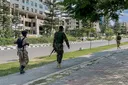
In late 2014, the Houthis seized control of much of Sanaa after weeks of protests.
Houthis take control
By early 2015, the group had placed President Hadi under house arrest, prompting his resignation.
He later fled to the southern city of Aden, rescinded his resignation, and denounced the Houthi takeover as a coup.
As Houthi rebels advanced south, President Hadi fled Yemen for Saudi Arabia.
Later that month, a Saudi-led coalition launched Operation Decisive Storm, citing a request from Hadi to restore his government.
In May 2015, former president Saleh formally allied with the Houthis, despite years of rivalry.
UAE-backed STC
By 2017, the war had triggered what aid agencies described as one of the world’s worst humanitarian crises, with widespread displacement, cholera outbreaks and growing fears of famine.
In December 2017, fighting erupted in Sanaa between the Houthis and Saleh’s forces after Saleh broke with the group.
Saleh was killed, consolidating Houthi control over much of northern Yemen.
In January 2018, the UAE-backed STC seized control of Aden after clashes with forces loyal to President Hadi.
The STC and the Hadi government, however, formalised a new power-sharing agreement in Aden in December 2020.
On 7 April 2022, Hadi announced in a televised speech that he was resigning from office and transferring power to the newly formed eight-member Presidential Leadership Council, chaired by Rashad al-Alimi.
While the internationally recognised government has formally been based in Aden since fleeing the Houthis in early 2015, it has spent much of that time operating from the Saudi capital, Riyadh.
Its head, Rashad al-Alimi, and Prime Minister Salem Saleh Bin Braik both left Aden for Riyadh when the STC took over.
Since the April 2022 UN-brokered truce between Saudi-backed coalition forces and the Iran-backed Houthis, open warfare has paused, but peace has remained elusive.