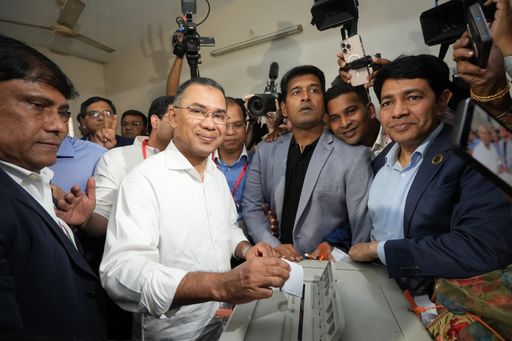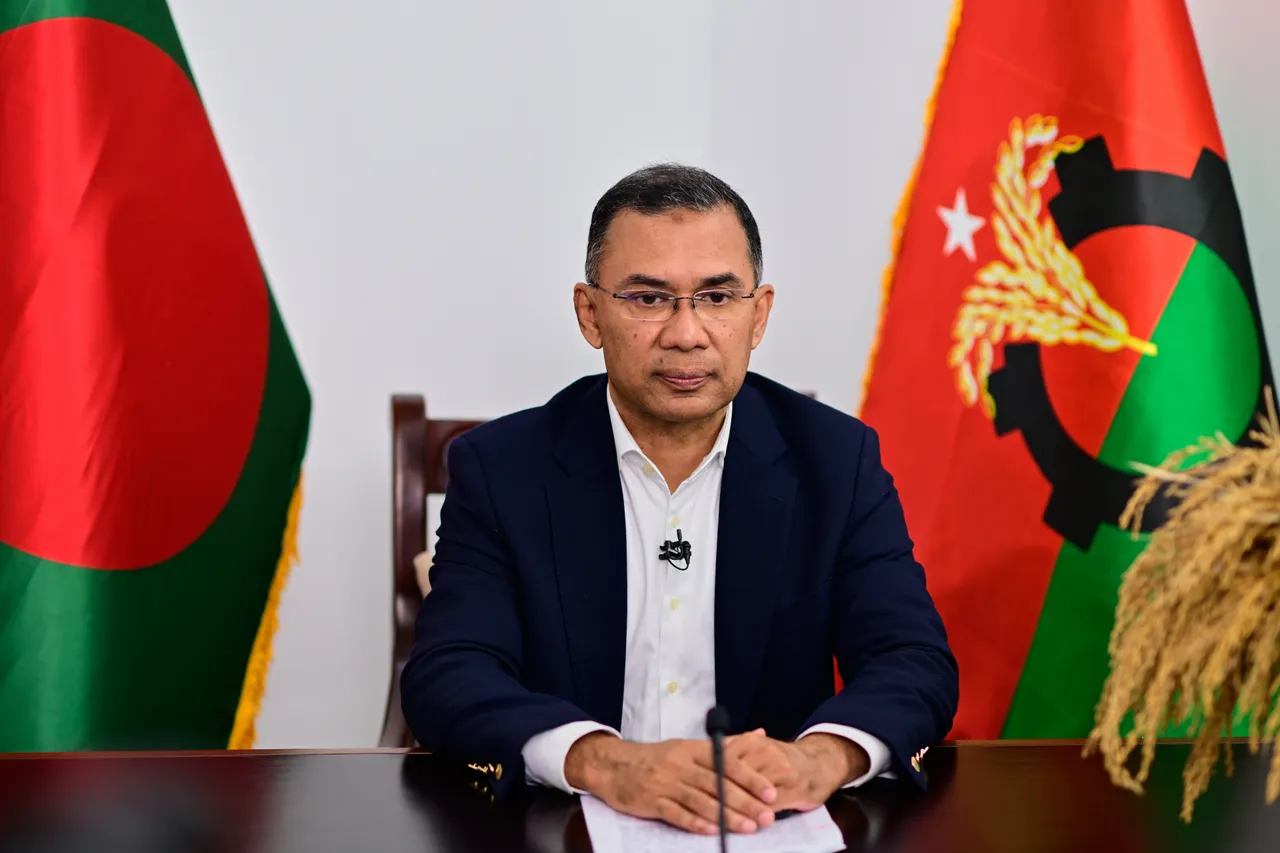
The Bangladesh Nationalist Party (BNP) has said it would form a new government by Sunday, after winning the first elections since the July 2024 popular uprising that ousted the government of Sheikh Hasina.
"It will be the BNP’s government. The government will be formed by February 15. The BNP will go to parliament with all parties," the party’s Secretary General Mirza Fakhrul Islam Alamgir told reporters on Friday while visiting his constituency in the north-western Thakurgaon district.
“The issues that BNP signed in the July Charter on reforms will be implemented step by step,” he added.
Bangladeshi voters also endorsed sweeping democratic reforms in a national referendum. The referendum took place alongside parliamentary elections on Thursday.
According to the commission, 60.2 percent of voters backed the reform package.
July Charter
The lengthy document, known as the "July Charter" after the month when the uprising that toppled Hasina began, proposes term limits for prime ministers, the creation of an upper house of parliament, stronger presidential powers and greater judicial independence.
It also includes increased representation of women in parliament and the election of the deputy speaker and parliamentary committee chairs from the opposition.
The referendum question noted that approval would make the charter "binding on the parties that win" the election, obliging them to endorse it.






Ali Riaz, vice-chairman of the Consensus Commission that led rounds of marathon talks with parties to agree on the charter, welcomed the result.
"Through their 'yes' votes, the people of Bangladesh have clearly expressed their desire for reforms," he told AFP.
"The responsibility now lies with the political parties to implement these reforms. We sincerely hope they will respect the people's mandate and uphold the charter."
BNP Chairman Tarique Rahman is likely the party's prime ministerial candidate.
He became the party head after the death of his mother and Bangladesh’s first female prime minister, Khaleda Zia, in December.
According to the Constitution, a party needs 151 seats in the 300-seat parliament to form a government.
The BNP alone secured 209 seats in Thursday's vote. Its main competitor, the bloc led by Jamaat-e-Islami, won 77 seats.