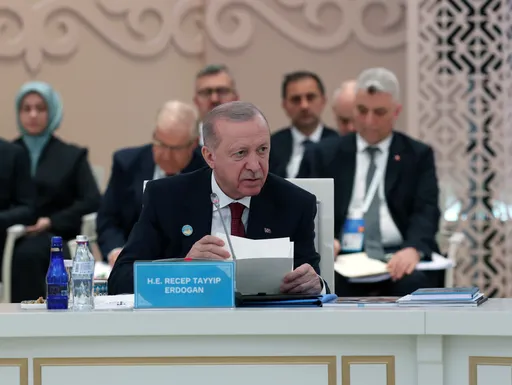
Middle Eastern allies of the United States have urged the Trump administration to hold off on attacks against Iran amid pro and anti-government protests, according to an Arab diplomat familiar with the discussions.
Senior officials from Egypt, Oman, Saudi Arabia and Qatar raised concerns over the past 48 hours that US military attacks would destabilise an already volatile region and send shockwaves through the global economy, the diplomat told AP news agency on Thursday.
Oil prices fell as markets appeared to register a shift in President Donald Trump’s tone, after days of sharp threats directed at Tehran.
White House Press Secretary Karoline Leavitt, however, said that "all options remain on the table" for Trump.
"The truth is only President Trump knows what he’s going to do and a very, very small team of advisers are read into his thinking on that," she said, adding that he continued to closely monitor developments in Iran.
Trump "informed" Iran that US "will not attack the country," but called for restraint, an Iranian envoy to Pakistan confirmed on Thursday, according to the Dawn, a Pakistani daily.
Iran’s Ambassador to Islamabad Reza Amiri Moghadam said he "received information at around 1 am, which indicated that Trump did not want war and had asked Iran not to attack the US interests in the region," the daily reported.
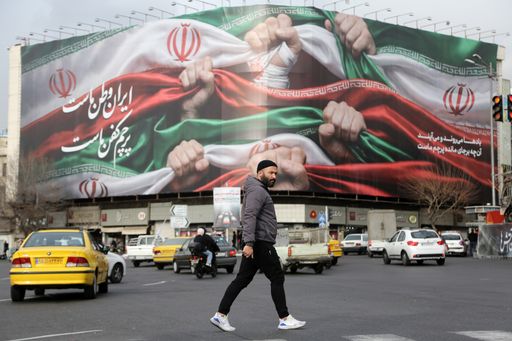
A shift in rhetoric
The diplomatic outreach from Arab states has come amid rapidly shifting rhetoric from Trump.
In the space of a day, he moved from telling Iranians that "help is on the way" and urging them to take control of state institutions, to saying on Wednesday that he had been told by "very important sources" that Iranian authorities had stopped killing protesters and were no longer planning executions.
According to the diplomat, Arab officials have also urged senior Iranian leaders to swiftly end the violent repression on protesters.
They warned that any Iranian retaliation against US or allied targets in the region would carry severe consequences for Tehran.
Trump nevertheless continued to signal on Thursday that he may be stepping back from immediate military action.
He highlighted a Fox News headline about the reported suspension of a death sentence against an Iranian shopkeeper, 26-year-old Erfan Soltani.
Iranian state media denied that Soltani had been sentenced to death, saying he was being held at a detention facility outside Tehran on charges including "propaganda activities against the regime."
"This is good news. Hopefully, it will continue!" Trump wrote.
The White House later claimed Iran had halted 800 planned executions.
Trump has previously maintained ambiguity over military decisions.
Last June, he said he would decide whether to strike Iran "within the next two weeks," before ordering air strikes less than 48 hours later.
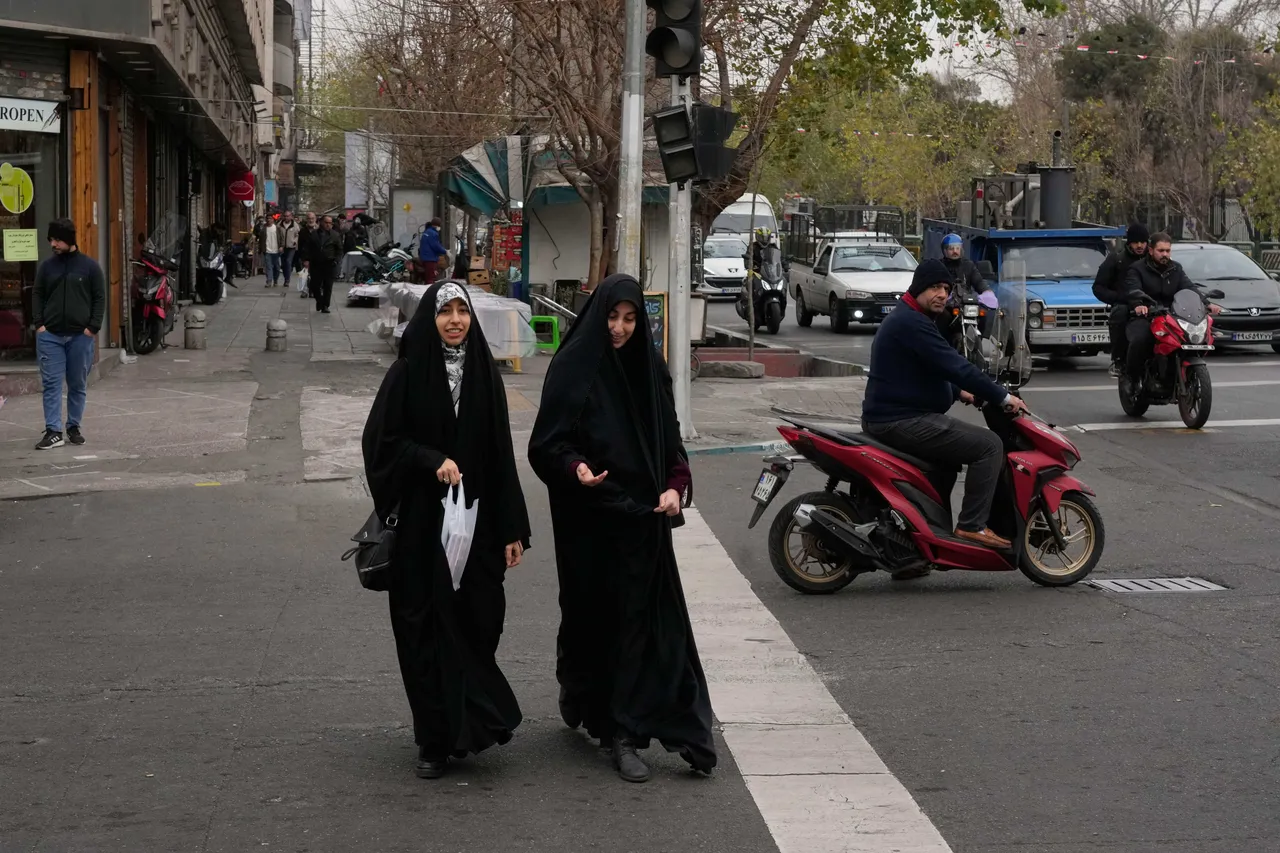
The protests in Iran erupted on December 28 after shopkeepers in the Iranian capital Tehran took to the streets to rail against the collapse of the national currency, soaring inflation and worsening living conditions.
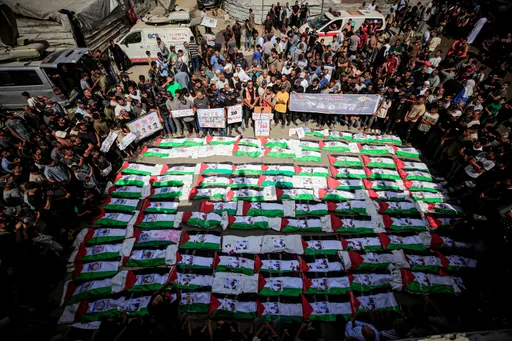
Demonstrations quickly spread across the country, turning into mass anti-government protests. Hundreds of deaths of both protesters and security forces have been reported.
Authorities have imposed a near-total communications blackout that is still in place, although protests have subsided.
Iranian government officials have accused the US and Israel of backing what they describe as "riots" and "terrorism" — charges US and Israel reject.