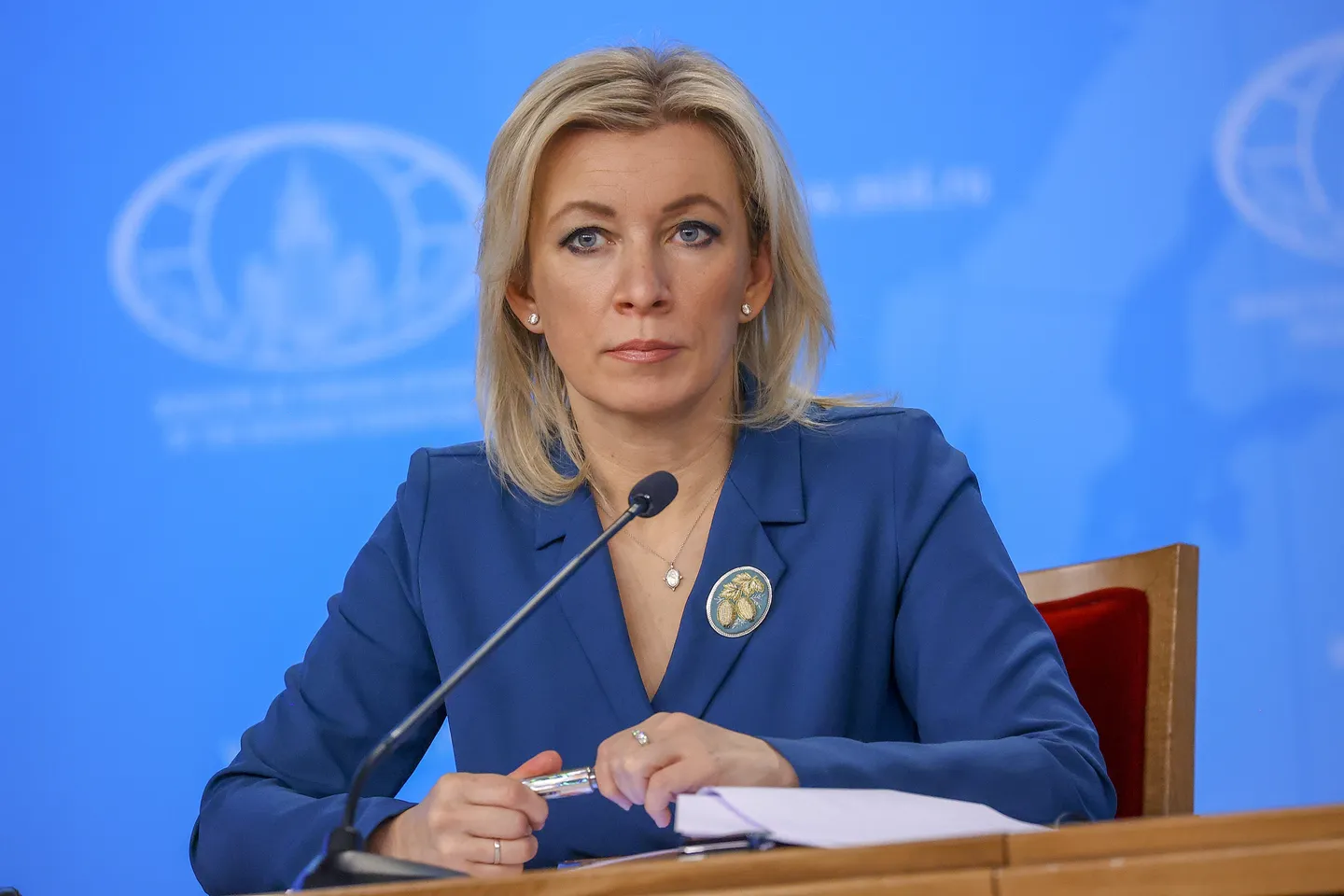
Russian Foreign Ministry spokeswoman Maria Zakharova has expressed concern that a US-backed Gaza peace plan promoted by US President Donald Trump could mask uncontrolled "experiments" on the occupied territory.
Commenting on the recent vote on Trump's plan in the UN Security Council, Zakharova noted that the document was adopted with 13 votes in favour while Russia and China abstained.
"We hope that this decision will not become a facade for uncontrolled experiments on occupied Palestinian territory, transforming into a final verdict on the legitimate rights of Palestinians to self-determination, Israeli hopes for security, and peaceful coexistence in the region," she said on Thursday.
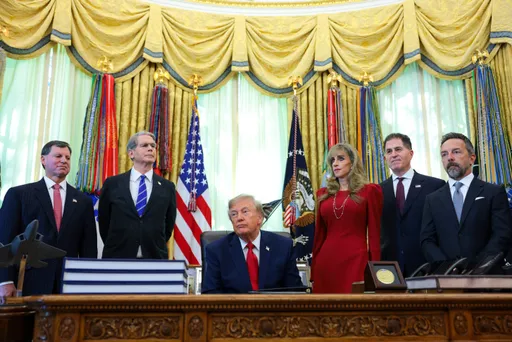
The core of the document involves establishing a so-called Board of Peace to manage Gaza that would be chaired by Trump and could include other, in his words, "authoritative and respected global leaders."
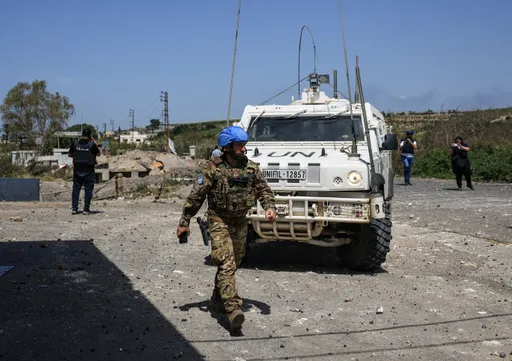
The board is empowered to deploy an International Stabilisation Force that would operate in close consultation and cooperation with Israel and Egypt. Its mandate includes peace enforcement functions such as the demilitarisation of the enclave and the disarmament of the Palestinian resistance group Hamas.

Contradictons to ‘the spirit of genuine peacemaking’





Zakharova pointed out that the plan does not provide for the participation of the Palestinian National Administration in governing the sector or in determining the future of the Palestinians based on the two-state formula.
"The obligations of Israel as the occupying power, including refusal to annex Palestinian lands and the withdrawal of its forces, are not fixed," she noted.
She further stated that both the UN Security Council and the UN Secretariat are entirely excluded from overseeing the new structures or the practical modalities for deploying the international contingent, contradicting "the spirit of genuine peacemaking" and running counter to recognised international legal decisions.
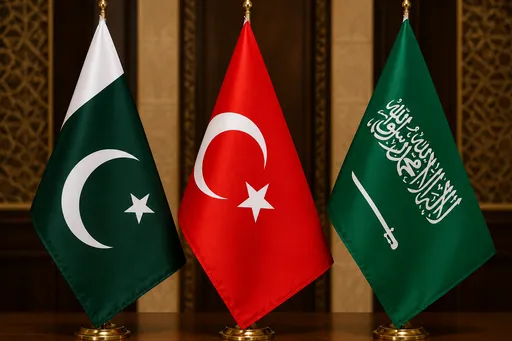
Zakharova said that Russia's decision to abstain took into account the positions of the Palestinian leadership and interested Arab and Muslim countries supporting the document, as well as a desire to avoid a recurrence of violence in Gaza.
"I'd like to recall that the war and suffering of the civilian population in the enclave could have been stopped long ago if Washington hadn't systematically vetoed six times over the past two years draft resolutions requiring an immediate ceasefire," she added.