 Luciano Zaccara
If legacy is the goal, Donald Trump just seized a headline. The US-backed ceasefire and prisoner exchange have stopped the guns—for now—and allowed the US President to pitch himself once again as the consummate dealmaker.
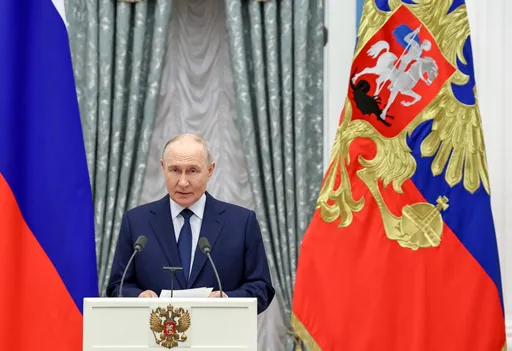
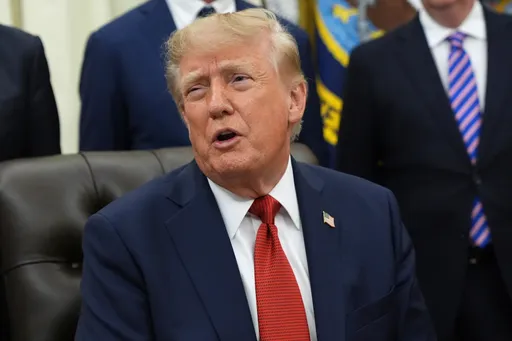
Yet within hours of the ceremonial photo-ops, Trump declined to say whether he supports a two-state formula, offering only a non-answer—“we’ll have to see”.
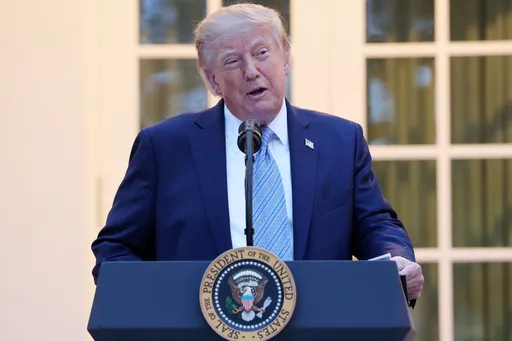
That ambiguity is not a strategy; it is an evasion. A ceasefire can pause a war, but it is unlikely to deliver peace without a credible path to Palestinian sovereignty. That same day, Trump’s address to the Knesset struck a triumphalist, militarist note rather than a conciliatory one—and notably failed to acknowledge Palestinian suffering or the civilian death toll.
Trump’s twenty-point ‘peace’ framework leans heavily on mechanics: an internationally backed stabilisation force, a transitional technocratic government for Gaza, and a donor-led reconstruction surge.
Some of those ideas could reduce immediate suffering and buy time. But the plan’s core problem is precisely what Trump refuses to say out loud: it withholds any commitment to statehood, postponing the political horizon indefinitely behind layers of interim arrangements.
That locks the conflict into a managed limbo—familiar to anyone who has watched previous “transitional” schemes ossify into status quo.
His Knesset speech’s tone also mirrored the ceasefire plan’s flaw: no mention of accountability or any investigation into Palestinian deaths, underscoring that the plan prioritises optics over rights.
The political context makes that omission fatal.
Israeli Prime Minister Benjamin Netanyahu has been explicit since the beginning of the war: he rejects a Palestinian state, and he castigated Western governments for recognising Palestine at the UN.
Washington’s refusal to name the destination—two states—effectively validates that hard line, telling Israelis there will be no cost to ruling over millions of rightless people and telling Palestinians that diplomacy yields only process without rights.
That is a recipe for renewed violence once the short-term incentives fade.
View from the West
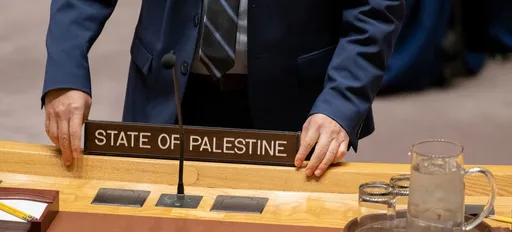
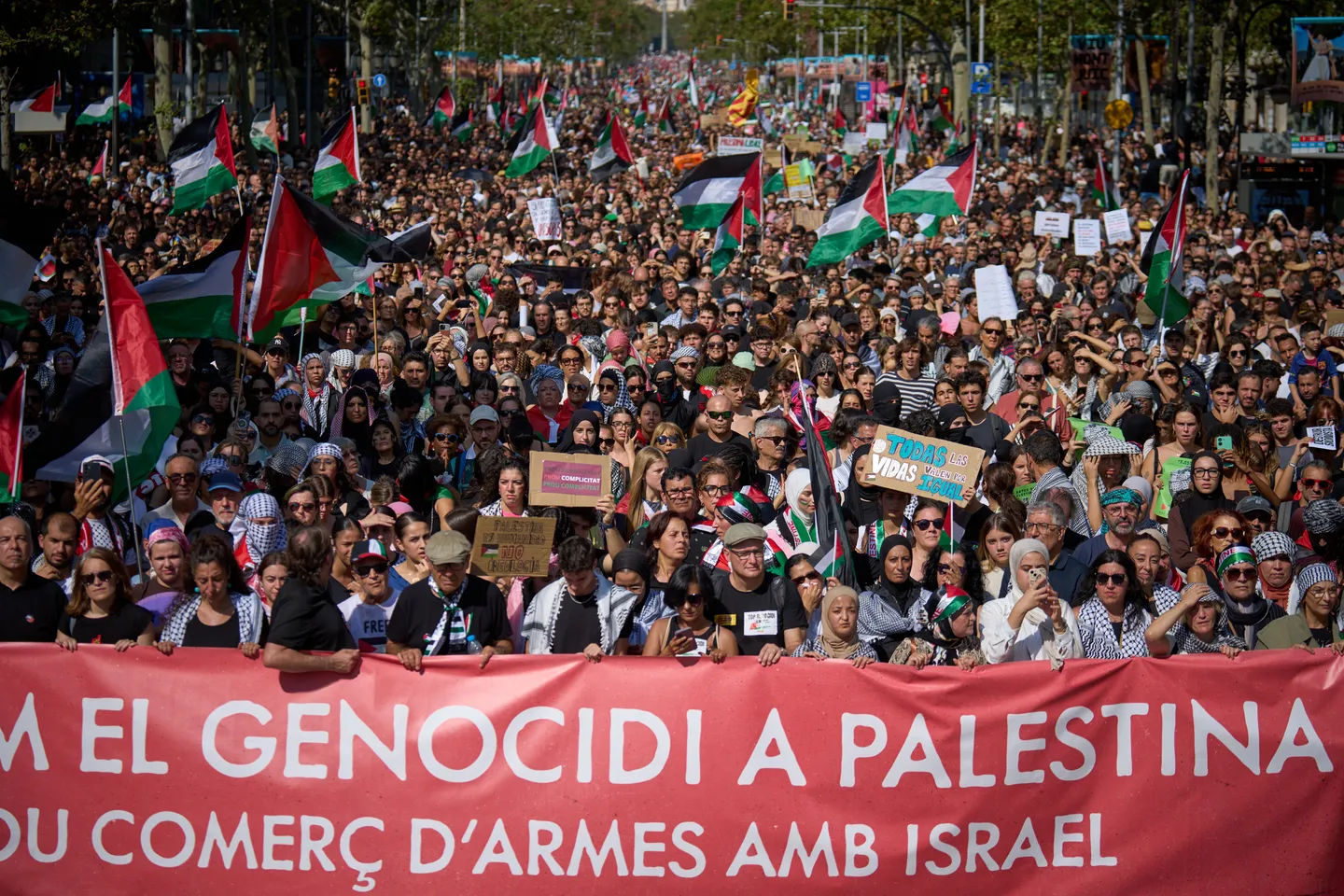
Meanwhile, much of the world is moving the other way. The recognitions at the UN General Assembly—among them the United Kingdom, Canada, Australia, and Portugal—signal a growing consensus across the West that any sustainable settlement must include Palestinian statehood.
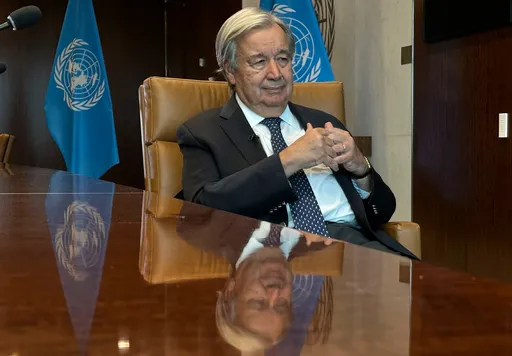
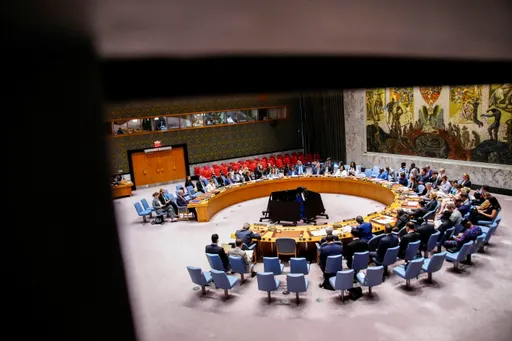
The UN leadership, too, is framing post-conflict arrangements around international law and a viable two-state outcome.
No doubt, the ceasefire matters. It saves lives and can open political space. But in the absence of a destination, a truce becomes an ante chamber, not the endpoint.
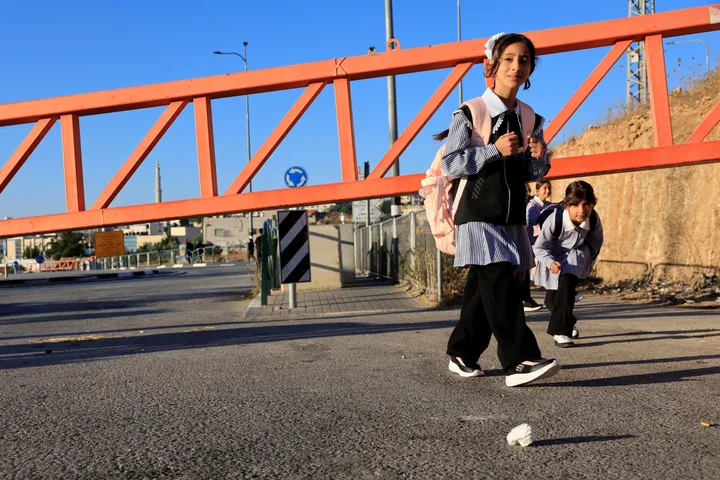
Consider what the guns cannot resolve: an entrenched occupation and settlement enterprise in the occupied West Bank with declared annexation plans; Gaza’s devastation and long blockade; Jerusalem’s unresolved status; refugees’ claims; and the routinisation of a permit-checkpoint regime that fragments Palestinian life.
None of this is addressed by a pause in fire, and none of it is fixed by a technocratic government under the tutelage of the Trump-Blair duo.
Only a political agreement that confers recognised, enforceable sovereignty can rewire incentives, anchor security cooperation in accountable institutions, and make de-escalation self-sustaining rather than donor-dependent.
Here, Trump’s plan reads like temporary crisis management, not conflict resolution.
Its security pieces—international policing, vetted Palestinian forces—can be useful bridges, but bridges must connect places.
If the end goal is undefined, those tools drift toward open-ended control without consent.
Even a generous reconstruction will falter if Palestinians have no authority over borders, airspace, movement, and natural resources.





Investors will not commit to a Gaza whose legal status is provisional; households will not rebuild where their rights are temporary. In that sense, Trump’s refusal to say “statehood” all but guarantees his showcase project will leak legitimacy faster than money can plug it.
Why Palestine matters
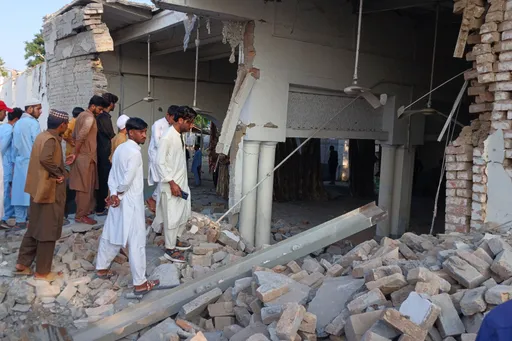
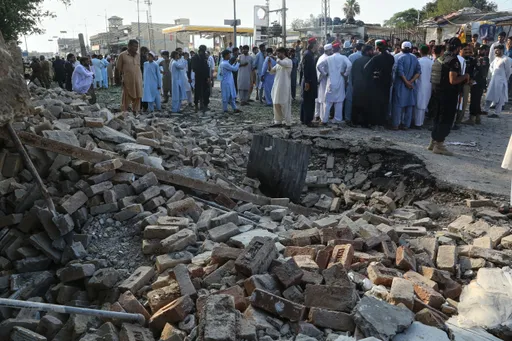
The humanitarian stakes are not abstract. Two years of Israeli war have killed tens of thousands in Gaza, pulverised infrastructure, and displaced families repeatedly, making livelihood impossible without a long, profound, and costly reconstruction.
A ceasefire offers a desperately needed breather, but the underlying drivers of violence—denial of political rights and permanent uncertainty—remain intact. Without a credible political horizon, spoilers on all sides will have an infinite supply of grievances to mobilise around.
The real test of “peace” is pairing the ceasefire with a time-bound track to Palestinian independence, codified by the UN Security Council and grounded in international law. This is the call of the world.
That track should include a verified settlement freeze, a sequenced transfer of sovereign powers to a reformed and unified Palestinian government with security coordination and sunset clauses, a map-first approach on 1967 lines with swaps, parallel arrangements on Jerusalem and refugees, and incentives with enforcement against spoilers.
Trump’s defenders will argue that sequencing matters—that you cannot talk borders or sovereignty at this early stage of the prisoners’ exchange.
It is true, implementation must prioritise lifesaving and stabilisation.
But sequencing is not the same as silence. You can put statehood last in the calendar while putting it first in the logic of the process.
Naming the destination now clarifies which actions are stepping stones and which are detours.
It also gives Palestinians a reason to invest in nonviolent politics and governance reform and gives Israelis a reason to accept restraints that feel costly in the short term but are necessary for security in the long term.
There is also the question of Israeli politics. Netanyahu has said plainly that he will not allow a Palestinian state.
Trump went further by lavishing praise on Netanyahu—who currently faces ICC arrest warrants for war crimes and crimes against humanity—even as Israel stands before the ICJ in a live genocide case; praising a leader under such scrutiny while omitting any reference to investigating Palestinian deaths only deepens the credibility gap.
If Washington will not contradict him, it is effectively subcontracting US strategy to the most rejectionist voice in the room.
That is not how peacemaking works; it is how stalemates endure.
If Trump truly wants a Nobel-sized legacy, he will need to spend political capital—privately and publicly—moving Israel off maximalist positions while insisting on Palestinian institutional reforms that make a state both viable and accountable.
That is the bargain every serious peace framework has implied since Madrid and Oslo, and it remains the only bargain with a chance of lasting.
For now, the outcome is clear. A ceasefire is necessary, welcome, but insufficient.
Without a declared, credible path to Palestinian sovereignty, Trump’s plan is a holding pattern with better branding.
Lasting peace will come not from keeping the guns quiet for a season, but from recognising and realising the political rights that make violence increasingly irrational.
Until Washington is willing to say that out loud—and design policy around it—“we’ll have to see” will continue to be the most honest summary of any effort at securing ‘peace’ in the region.