China’s ambassador to South Korea expressed concern over the country’s pursuit of a nuclear-powered submarine, local media reported on Friday.
During a news conference on Thursday, Dai Bing said the issue is directly related to the international nuclear nonproliferation regime and could impact regional stability, Yonhap News Agency reported.
“What I want to emphasise is that the (security) situation on the Korean Peninsula and in the region is still complex and sensitive,” he said, adding “South Korea-US cooperation on nuclear-powered submarines is an issue directly related to the global nuclear nonproliferation regime and to stability on the peninsula and in the region”.
During his visit to South Korea last month, US President Donald Trump said his administration will share nuclear propulsion technologies with South Korea to allow its navy to build at least one nuclear-powered submarine.
South Korea’s Defence Ministry later announced its intent to launch a nuclear-powered submarine built with domestic technology in the mid-to-late 2030s.
The White House has granted approval for South Korea to build nuclear-powered attack submarines and will work closely with Seoul on the project, including fuel sourcing, according to a joint fact sheet released on November 13.
Dai also warned that ongoing efforts by South Korea and the US to modernise their alliance should not be expanded to aim at containing China.
Addressing speculation that US Forces Korea might be mobilised to respond to any emergency situation regarding Taiwan, he reiterated that China would not tolerate external interference.
He said he hopes that “the South Korea-US alliance would not play with fire on the Taiwan issue”.
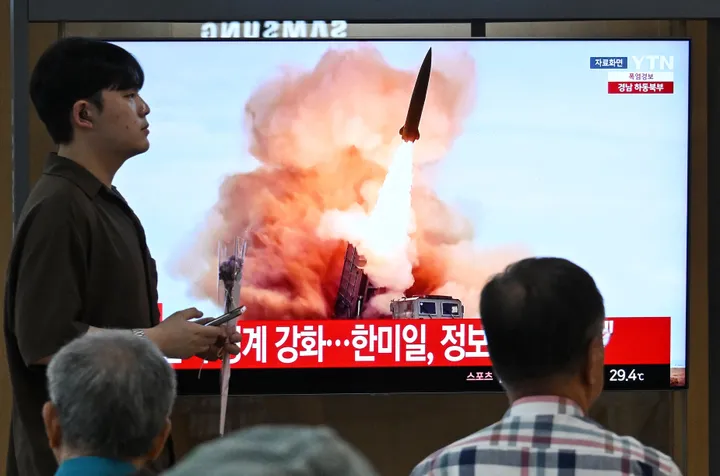


Large-scale joint naval drills
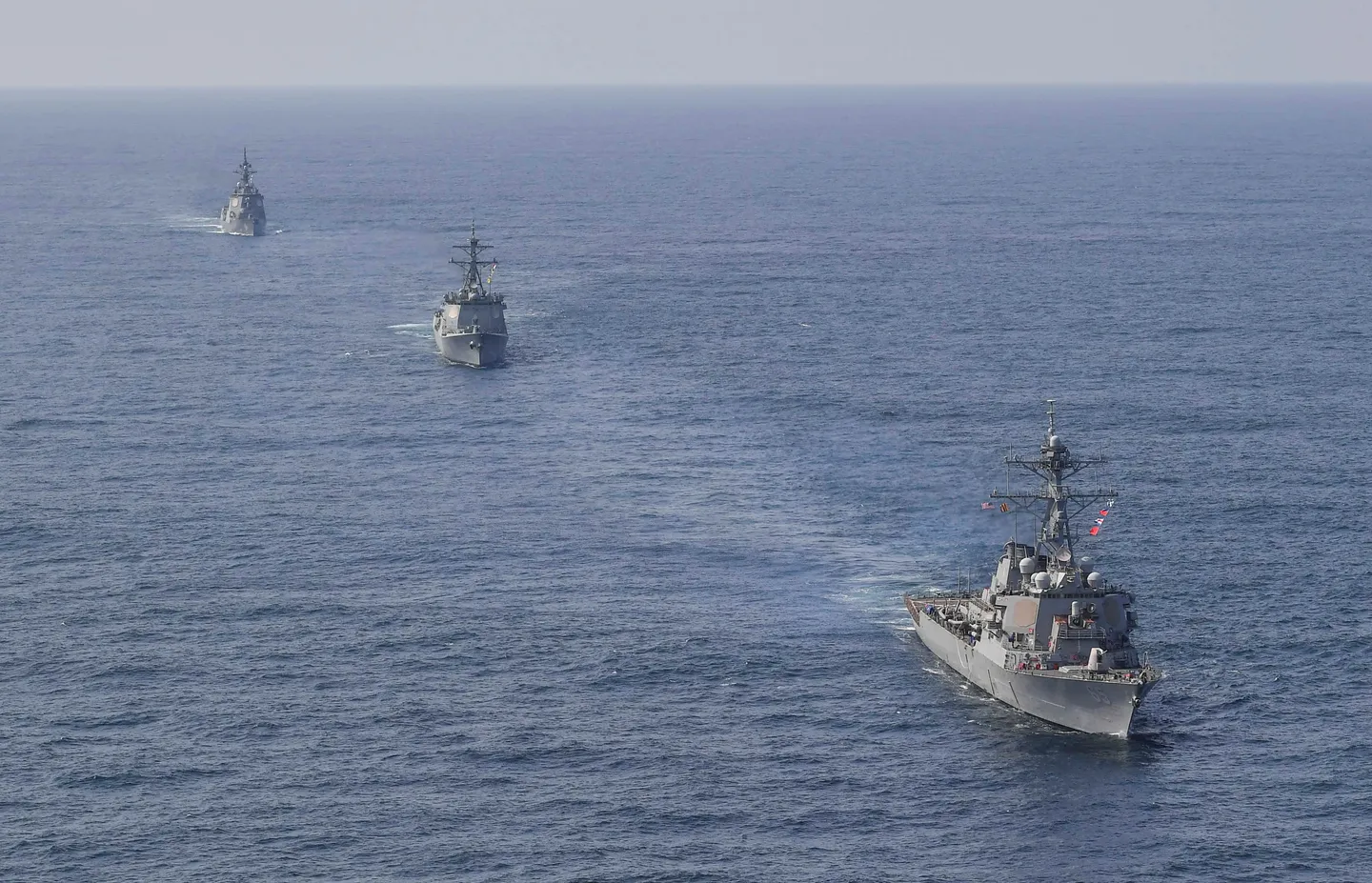
Meanwhile, US and South Korean naval forces held joint drills this week in the East Sea, the South Korean navy said.
The exercise took place from Tuesday through Friday involving a US nuclear-powered aircraft carrier and mobilising more than a dozen warships and maritime patrol aircraft from both sides, Yonhap News Agency reported, citing the Navy statement.
South Korea’s ROKS Yulgok Yi I and ROKS Seoae Ryu Seong-ryong Aegis-equipped destroyers and the US’s USS George Washington aircraft carrier, USS Robert Smalls guided-missile cruiser and USS Milius and USS Shoup Aegis-equipped destroyers took part in the drills.
“This training was prepared to strengthen deterrence against North Korea… as well as interoperability of the South Korea and US navies based on the steadfast South Korea-US alliance,” said the Navy.
US Navy Admiral Daryl Caudle, Commander of US Fleet Forces Command, also arrived in South Korea on Thursday on his four-day visit and is expected to meet his South Korean counterpart Chief of Naval Operations Admiral Kang Dong-gil and other military officials.