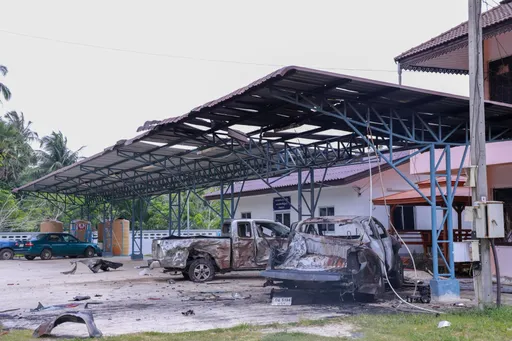
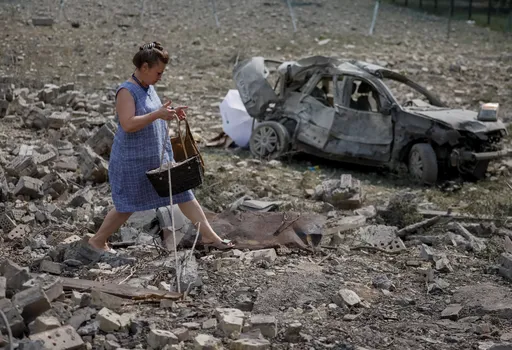
At the Muna garage camp in Maiduguri, northeastern Nigeria a group of displaced people run traditional wood carving businesses selling mortars and pestles, cooking sticks and furniture as well as wooden slates used by students in local schools.
Engaging in small businesses like these is an important source of livelihood for thousands of Nigeria's displaced.
The eight-year Boko Haram insurgency in Nigeria's northeast has uprooted around two million people from their homes, some in Nigeria and some overseas.
The United Nations calls it one of the world's worst humanitarian crises.
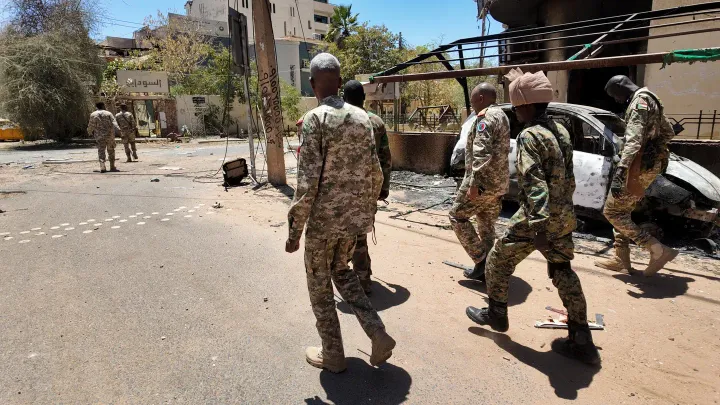
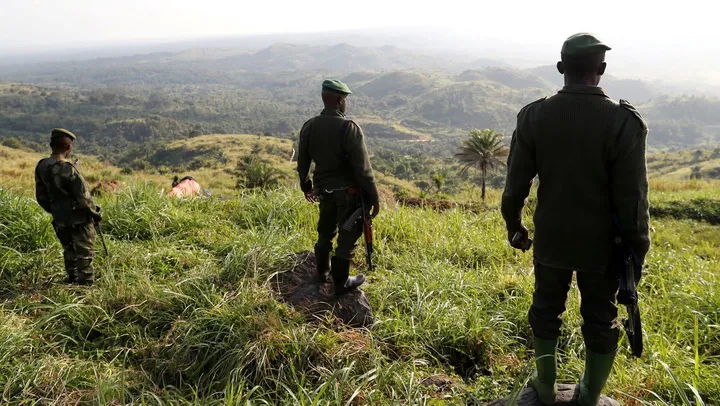

Meanwhile environmentalists are warning that deforestation around camps hosting refugees who rely on wood for fuel and to run their businesses is on the rise.
Depletion of forests also risks creating tensions with local communities and disrupting the ecosystem, as trees stabilize the climate, regulate water flows and provide shelter to numerous animal species, according to the UN Food and Agriculture Organization (FAO).
TRT World's Adesewa Josh reports.