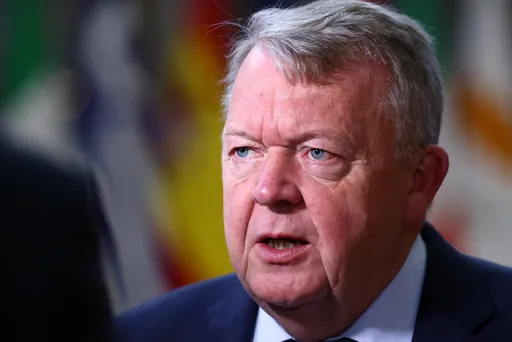
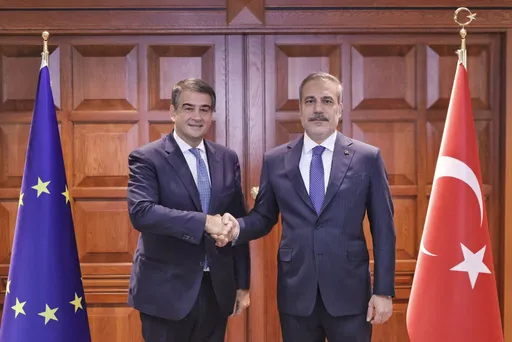
Turkish Foreign Minister Hakan Fidan has said that Ankara's policy prioritises defending Saudi Arabia, while confirming that officials have not yet made any decision on deploying troops to Yemen.
"Our current policy is aimed at the defence of Saudi Arabia; no decision has been made on deploying troops inside Yemen. However, the necessary support is being provided in defending Saudi Arabia," Fidan told Turkish broadcaster TGRT Haber on Saturday.
Highlighting defence industry cooperation among Türkiye, Pakistan, Saudi Arabia, and possible future partners as a core pillar of the Mecca Defense Alliance, Fidan noted Türkiye's struggles when allies have denied it weapons.
Fidan said the Mecca security pact is not against any country, stressing that member states instead build mutual trust while advancing broader economic cooperation.
He said defence under a NATO Article 5-style clause is not automatic and requires threat assessments, joint intelligence, defence planning, and a mandate from the Turkish parliament, similar to deployments in Syria, Iraq, Somalia, Lebanon, and international waters.
Noting that Saudi Arabia already cooperates with nearly 30 countries on Yemen, Fidan added that repeated US, UK, and European strikes on the Houthis have failed to halt the war, but Houthi attacks in the Bab el-Mandeb Strait turned Yemen into a global security threat.
Proactive diplomacy, regional ownership
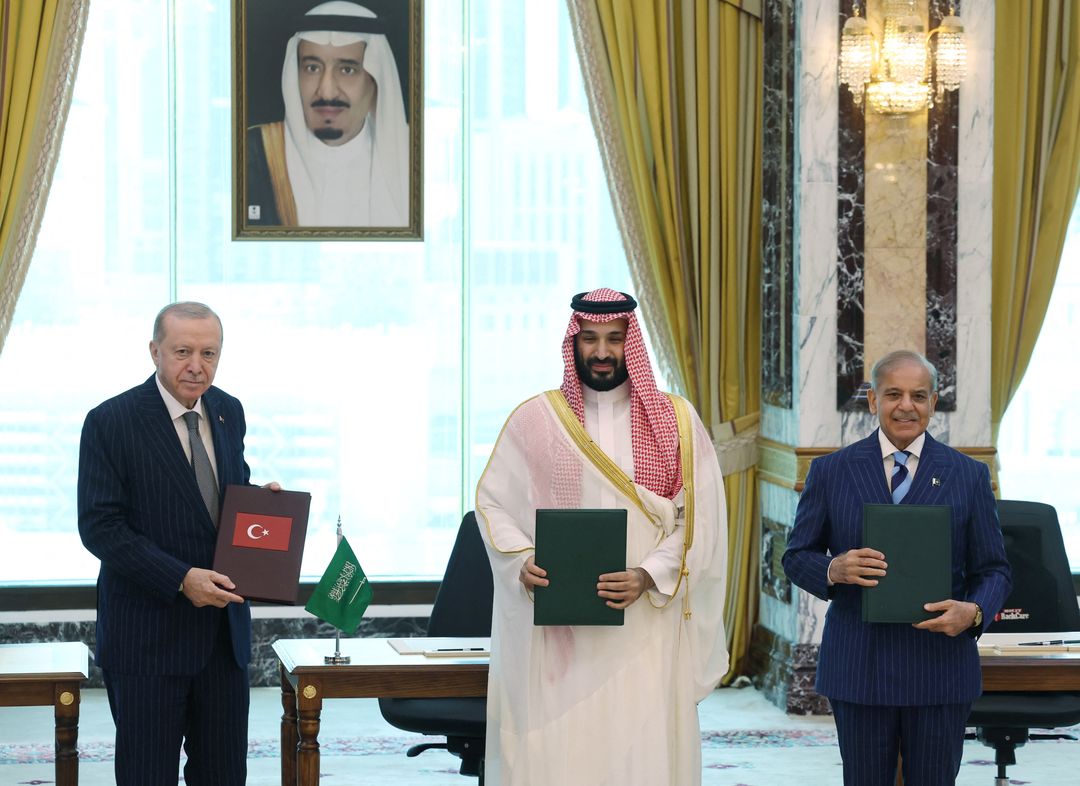
Under Turkish President Recep Tayyip Erdogan's vision, Türkiye builds functional, innovative regional mechanisms, including the Mecca Defense Alliance, the Regional Quad (R4) – consisting of Türkiye, Egypt, Pakistan, and Saudi Arabia – and the Gaza Group of Eight, rather than symbolic structures, said Fidan.
He maintained that acting proactively across dynamic strategic basins before crises escalate has prevented regional and global existential shocks from spilling into Türkiye, turning Ankara into a "constantly sought-after actor" whose concept of "regional ownership" European leaders now echo.
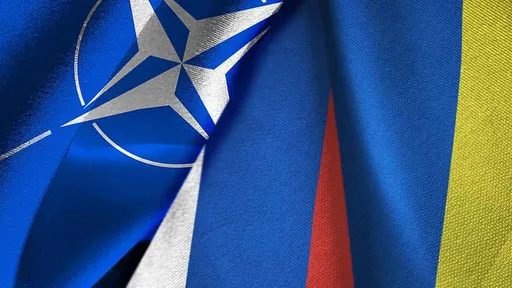
Explaining that informal, non-binding platforms enable candid dialogue without diplomatic formalism, Fidan said that as the US shrinks its European security footprint amid the Russia-Ukraine war, Türkiye convened both the European Quad (E4) — France, Germany, Italy and the United Kingdom — and R4 in Istanbul.
He said there are plans to hold a second meeting next month in Berlin, "if everything goes well."
Fidan also highlighted Türkiye's proposal at last month’s G20 foreign ministers' meeting in the US for a binding universal declaration guaranteeing uninterrupted commercial transit through key maritime chokepoints, the Strait of Hormuz, the Turkish Straits, Gibraltar, Malacca, and the Panama Canal, regardless of wars or global conditions.
Warning that escalating hostilities in the Black Sea increasingly endanger merchant shipping, Fidan said ships are struck daily and that Russia and Ukraine have declared they will target vessels.
Alongside advisories from Türkiye's Transport Ministry and Naval Forces Command, Türkiye is engaging Russia and Ukraine through coast guard and transport authorities while urging vessels carrying Turks to stay out of the conflict zone, he said.