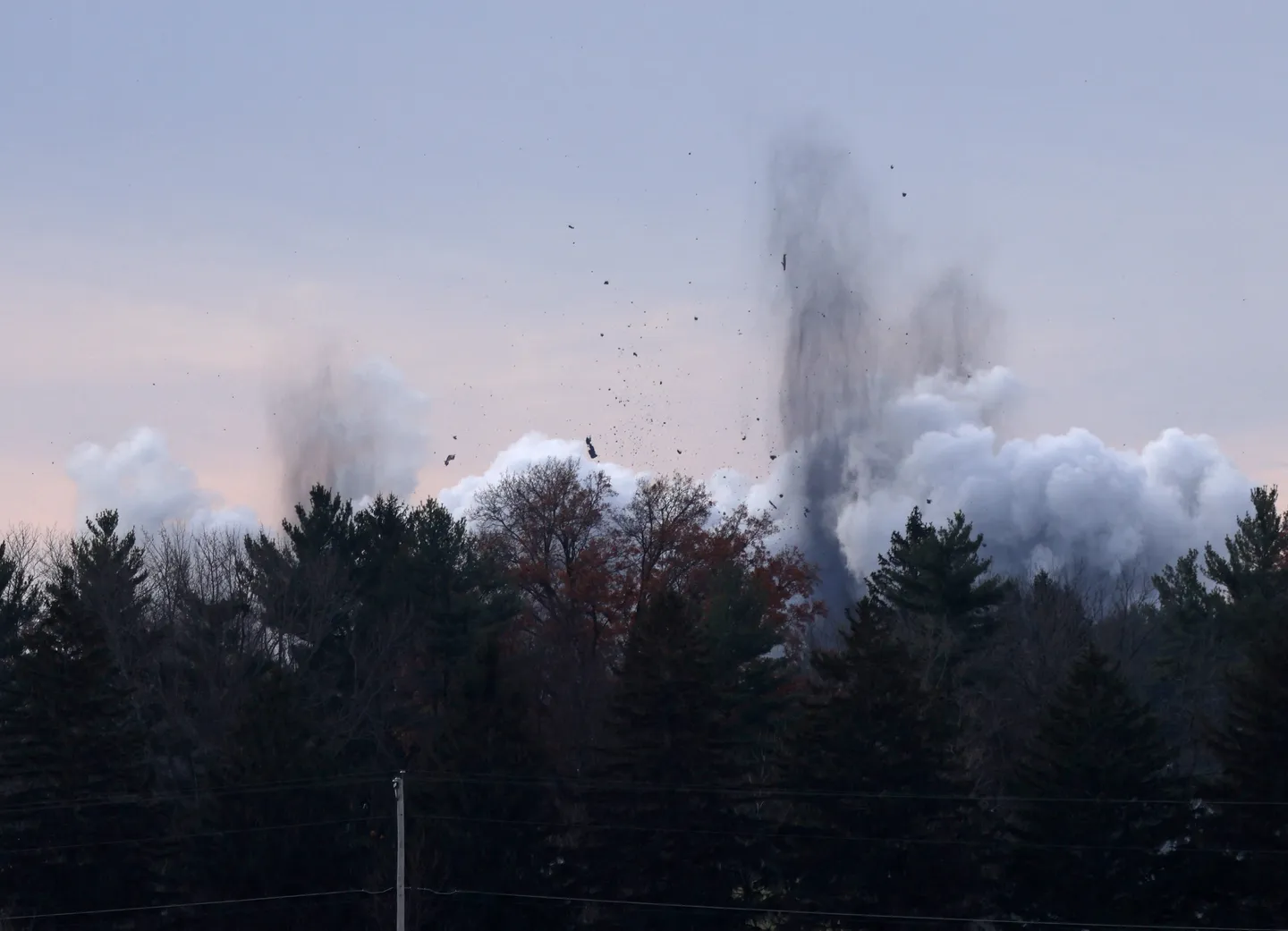
The United States Army has detonated a massive stockpile of toxic explosives stored at a military facility in a small Iowa farming community, carrying out a controlled blast after warning that the materials were too degraded to relocate safely.
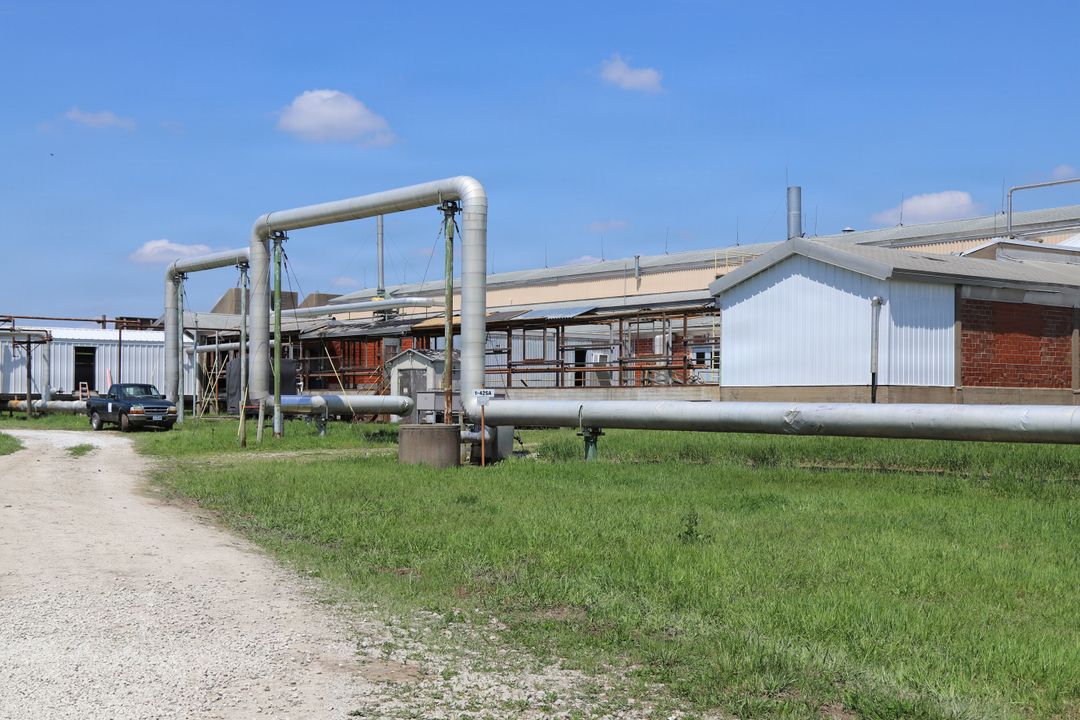
The operation involved 68 drums containing approximately 4.5 tonnes of lead azide—representing the country's entire degraded stockpile of the compound—stored at the Iowa Army Ammunition Plant in Middletown for more than 15 years.
Military authorities warned the deteriorating chemicals presented an immediate risk of spontaneous combustion.
The controlled explosion hurled debris into the air and sent a substantial smoke plume rising above the tree line, with the detonation heard up to 15 kilometres away.
Air quality monitoring
Military officials reported that extensive safety measures successfully contained toxic contamination.
The US Environmental Protection Agency (EPA) confirmed that regional real-time sensors registered "zero detection of airborne lead throughout the region" following the blast, with subsequent readings confirming clean air.
Ahead of the detonation, explosives specialists constructed earthen barriers around storage magazines, installed blast vents facing uninhabited zones, flooded building exteriors with foam, and positioned massive water tanks to absorb lead particulate.
Prior to the blast, the Army issued predictive maps warning of potential airborne lead dust drifting up to 120 kilometres south-west, advising the public that "children under six are especially vulnerable to lead exposure."
The Federal Emergency Management Agency supported voluntary relocations for Middletown residents.
The detonation went ahead after several postponements, including a temporary pause ordered by US President Donald Trump, who later posted: "Great job by the Army, and others, in Iowa!"