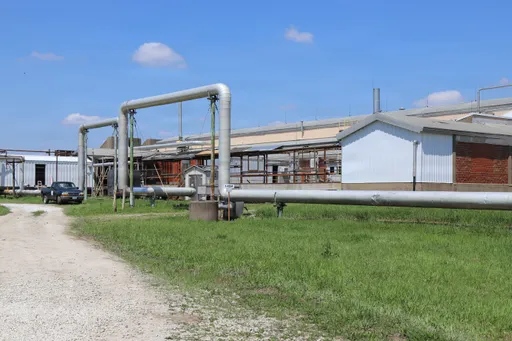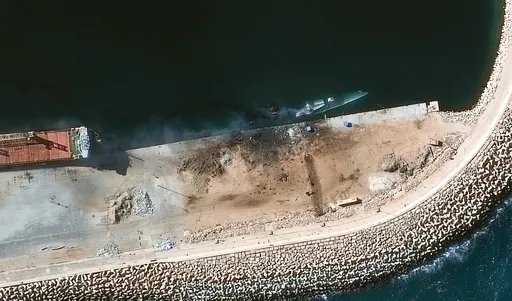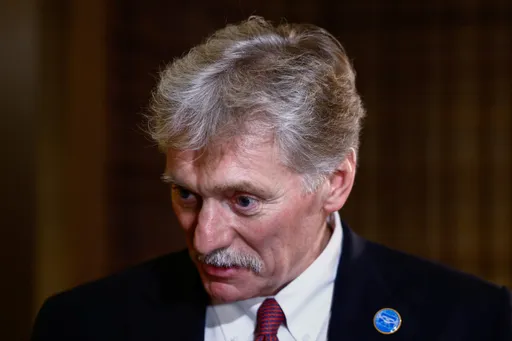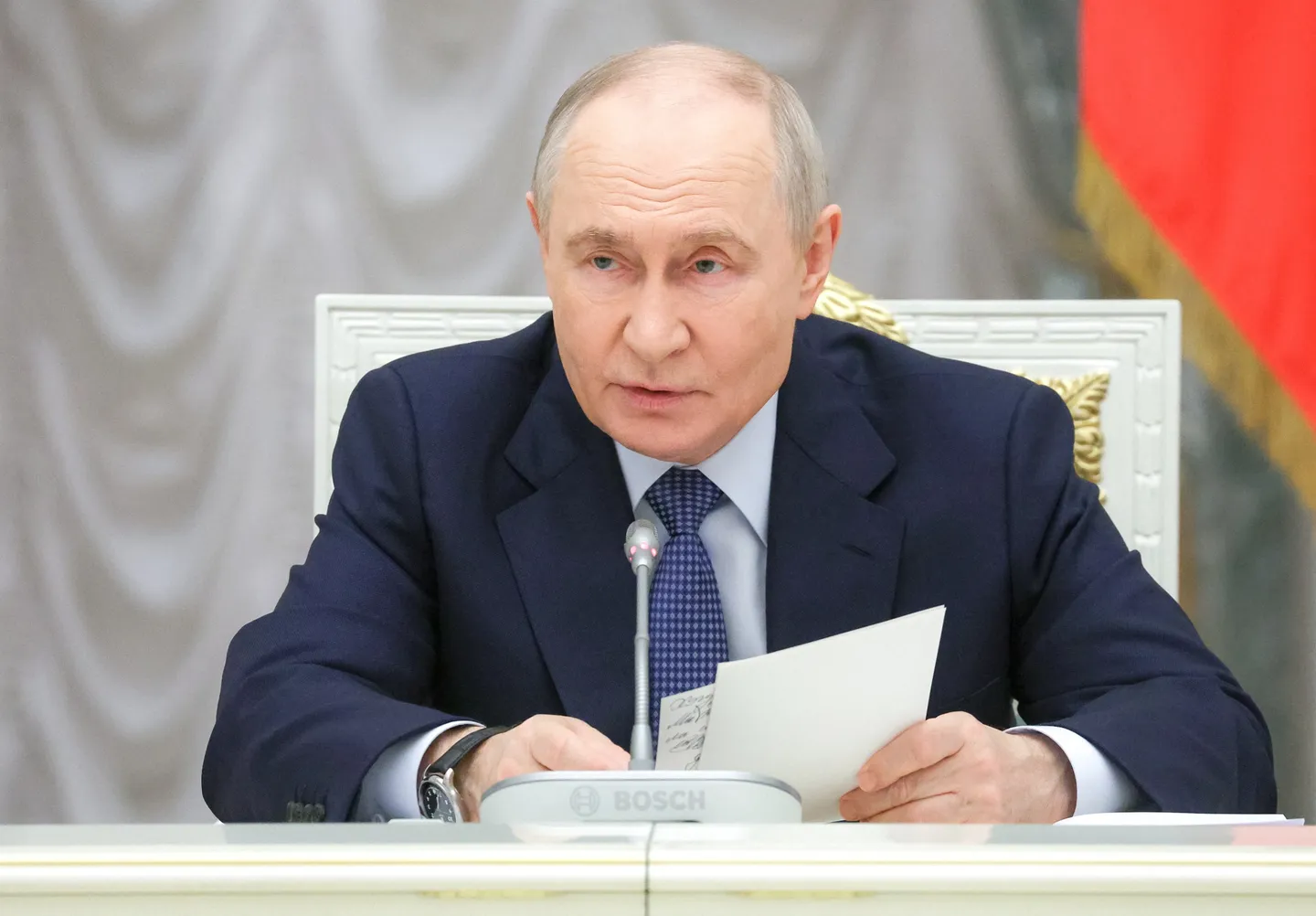
Russian President Vladimir Putin has warned that Moscow's military response to Ukrainian strikes on Russian oil refineries is inevitable, accusing Kiev of pressing ahead with attacks despite direct appeals from United States President Donald Trump to halt the campaign.
Speaking in Moscow during a government meeting on the development of Russia's fuel and energy sector, Putin stressed that Ukrainian operations against critical infrastructure will not go unanswered.
"The Kiev regime does not stop attacking our oil refining facilities, despite the appeal and direct request of the US president to refrain from these attacks," Putin said.
"Therefore, I would like to note that retaliatory actions on our part are inevitable. Everyone should know this."
Putin stated that the cross-border escalation initiated by Ukrainian forces in early June was designed to last 40 days and insisted it would fail to inflict critical damage on the Russian economy.
Nevertheless, he urged authorities and energy operators to introduce additional measures to bolster physical security at refineries and protect facility staff.
Domestic fuel stability
Addressing the domestic fuel market, Putin maintained that consumer and industrial supplies remain stable despite seasonal agricultural demand.
He noted that the government lifted output, expanded strategic reserves, reconfigured transport networks, and restricted exports of petrol, jet fuel, and diesel.
Following sharp price increases in early October, retail petrol prices have broadly stabilised across most Russian regions, though market conditions remain complex.
Turning to global markets, Putin criticised Western efforts to curb Russian hydrocarbons, remarking: "Less of our oil and gas will reach them, while they will have more problems."
He insisted Moscow never voluntarily curbed supply and will expand ties with "predictable and responsible partners" across Asia.
To support this pivot, Putin called for expanding infrastructure in Siberia and the Far East, alongside developing eastern refining and petrochemical plants.
He also urged accelerated development of the Northern Sea Route within the Trans-Arctic Transport Corridor, noting it could halve freight delivery times to Asian buyers.
Realising this potential, he added, requires building more domestic icebreakers and ice-class cargo vessels.